Xiaomi Aims for 550,000 EV Deliveries in 2026 After Crushing 2025 Goals
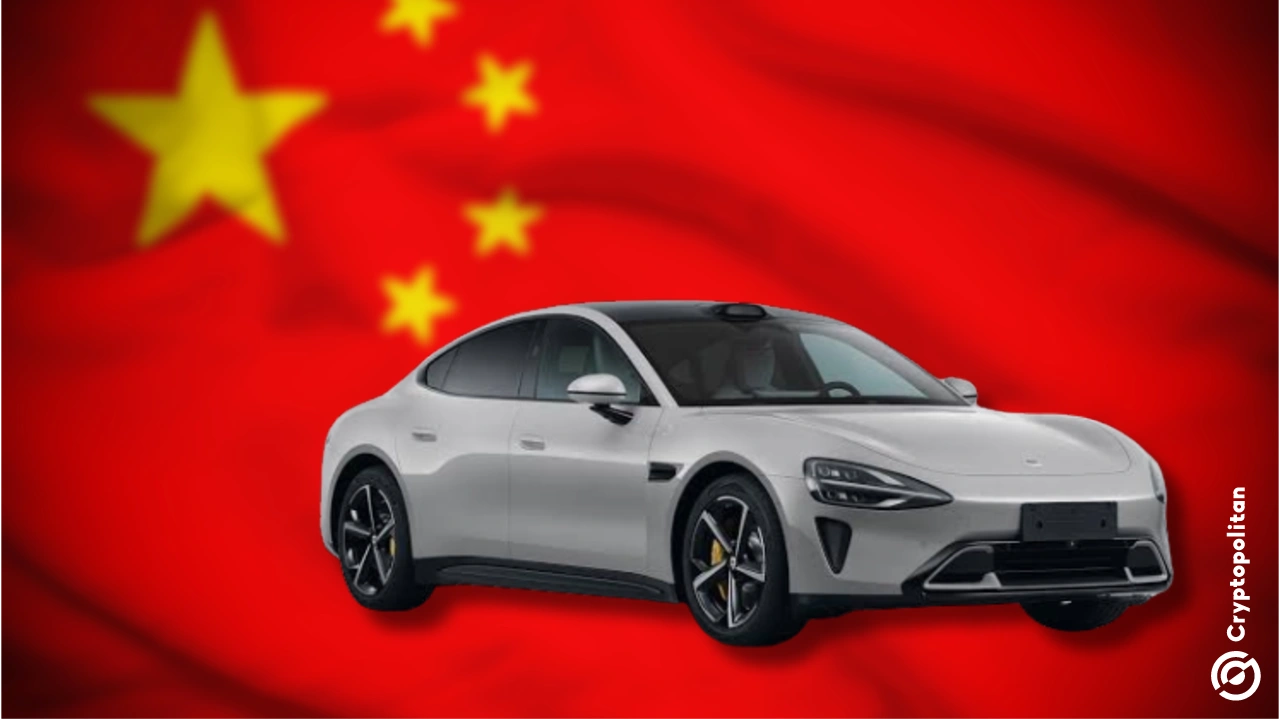
Xiaomi's Ambitious EV Targets and Market Challenges
Chinese tech giant Xiaomi has set an ambitious goal of delivering 550,000 electric vehicles in 2026, a significant increase from the 410,000 units sold in 2025. This represents a 34% growth target, reflecting the company’s aggressive push into China’s competitive electric vehicle (EV) market and its plans for international expansion.
The target was announced by Xiaomi’s billionaire founder, Lei Jun, during a livestream on Saturday, signaling the next phase of the company’s automotive business. The EV division achieved profitability in November, just 18 months after launching its first electric sedan. This rapid turnaround outpaced Tesla, which took years to reach similar milestones. However, this positive news did not bring much relief to investors, as the stock remained among the worst-performing Chinese tech stocks last year due to concerns over overcapacity, weak demand, and tighter conditions in the EV sector.
Regulatory Pressure and Safety Concerns
Xiaomi is facing increased regulatory scrutiny following two serious accidents involving its SU7 model. These incidents have prompted calls for stricter oversight, leading to new draft rules and standards in China. The regulations cover advanced driver assistance systems, door handle design, and battery safety. As these changes take effect, there is growing attention on software control and physical design choices in new electric vehicles.
Despite the pressure, interest in Xiaomi’s vehicles continues to grow beyond China. Karl-Thomas Neumann, former chief executive of Volkswagen China, described the SU7 Ultra performance version as a “crying loud warning sign” for Western automakers. Tech reviewer Marques Brownlee also praised the sedan’s software integration, calling it “awesome.” These comments came as Xiaomi prepared for its next steps in international markets.
Expanding Models and Technological Innovations
In addition to its EV strategy, Xiaomi plans to expand its product lineup with up to four new launches and refreshes. This includes a five-seat model and a seven-seat extended-range SUV. Extended-range vehicles feature a small gasoline engine that recharges the battery when power runs low, reducing reliance on charging stations.
In May, Lei Jun announced the Xring O1, a 3-nanometer processor designed for devices like the Tablet 7 Ultra. The chip aims to match the performance levels of products from Apple and Qualcomm. At the same time, Xiaomi has warned of potential supply issues in its core smartphone business due to a shortage of memory chips. This could lead to a supply crunch this year, potentially increasing the price of its mobile devices.
Global EV Market Trends and Challenges
The global EV market is experiencing a slowdown, with sales expected to grow by 13% to 24 million vehicles in 2026, down from a 22% increase in 2025. This cooling trend is driven by factors such as easing Chinese demand, slower growth in Europe, and a contraction in the United States. Policy changes are playing a key role in shaping this landscape.
President Donald Trump, who returned to the White House, ended federal EV tax incentives. The European Union also softened its planned 2035 ban on petrol cars, while China’s growth rate continues to decelerate after years of rapid expansion.
In the U.S., EV sales are forecasted to drop by 29% to 1.1 million units in 2026, down from 1.5 million in 2025. Europe is expected to see 4.9 million sales, a 14% increase from the previous year. China remains the largest market, with projected sales of 15.5 million vehicles, including plug-in hybrids, compared to 13.3 million in 2025. Even at this level, growth is slower than the surge seen between 2020 and 2025, when sales jumped from about 1.1 million to over 13 million.
Chinese Brands and Pricing Pressure
Chinese brands continue to dominate the market with pricing pressure. BYD led the charge with lower-cost models across China and Europe, overtaking Tesla in 2025 as the world’s largest electric-car maker after expanding into overseas markets.
Claim your free seat in an exclusive crypto trading community - limited to 1,000 members.


