Why Airlines Can Change Your Seat – Even If You Paid More

There are several things that passengers may not be aware of regarding the policies and practices of airlines. Understanding these can help you navigate your travel experience more effectively, especially when it comes to seat assignments. As a passenger, you have every right to ask questions if something seems unusual or unfair. Consider this: you've paid extra for a comfortable seat, whether it's a window seat, extra legroom, or a specific location on the plane. However, it's possible that the airline might change your seat at the last minute, leaving you frustrated.
The most frustrating part is that such changes often come without any explanation. It can feel like a silent betrayal, as if the seat you thought you had was just an empty promise. Did you know that airlines have the right to move your seat regardless of how much you've paid? This usually happens due to operational or safety concerns. While airlines are obligated to get you to your destination, they aren't necessarily required to assign you the exact seat you wanted. When you purchase an airline ticket, you're entering into a contract of carriage, not one of seat assignment. Everything else related to seating is beyond your control, and it's up to the airline to decide.
Airlines can change your seat for operational or security reasons
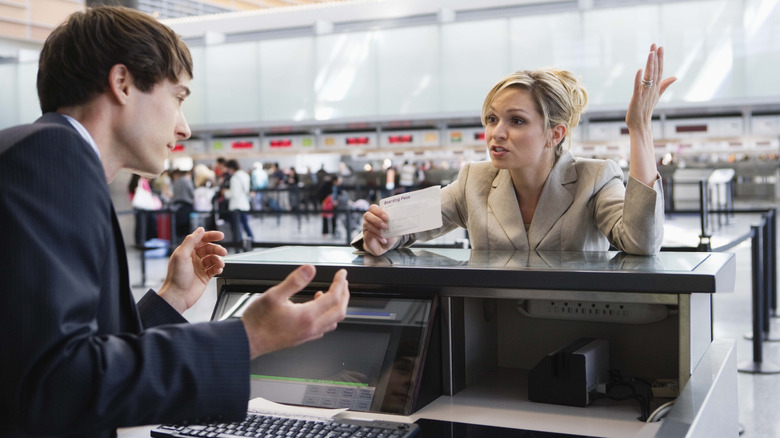
Even after carefully choosing the best seat on the airplane, your seat can still be changed. This is because most airline terms and conditions include clauses that state seat assignments are not guaranteed. In fact, even premium seats such as exit rows, extra legroom, or bulkhead seats come with disclaimers. Airlines have the right to change any of these seats as they see fit, for operational, safety, or security reasons. Sometimes, an airline may switch planes due to maintenance or scheduling issues. Since not all aircraft are built the same way, the difference in seating layouts might mean that your reserved seat no longer exists.
Another reason you might not end up in your desired seat is due to weight distribution for safety purposes. Airlines sometimes rearrange passengers to ensure a balanced weight across the aircraft. They may also move passengers from emergency exit rows if they determine that they are not physically capable of operating the exit. This could be due to age or physical limitations.
What to do if an airline changes your seat

If a seat change occurs, it's wise to handle the situation politely. Approach the gate agent and ask if you can be reseated in a similar or more comfortable location. If you were charged extra for your original seat and the new one is a downgrade, you may be entitled to a refund. You can request this at the airport or file a claim later through customer service. Although policies vary between airlines, most carriers will refund seat fees if you're moved without your full consent.
However, seat changes don't always come from the airline itself. There are instances where you might end up in your dream seat, only to have another passenger ask to swap. In such cases, it's often best to say no. Avoiding unwanted seat swaps can prevent unnecessary stress. Ultimately, the best way to avoid an unexpected seat change is to book your seat early and check your booking regularly afterward. This will allow you to stay informed about any changes and give you time to select a different seat or contact the airline for solutions before your flight.
Ready to discover more hidden gems and expert travel tips? Subscribe to our free newsletter for access to the world's best-kept travel secrets. You can also add us as a preferred search source on Google.


