Toyota's Supercharged Camry Failed to Compete with V8s
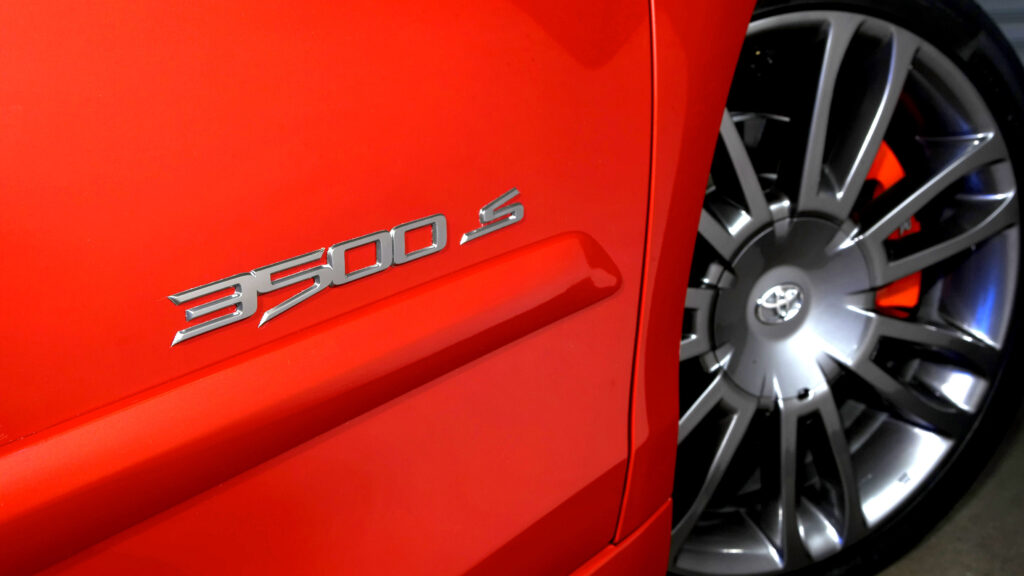
The TRD Aurion: A Powerful But Forgotten Australian Sedan
In the mid-2000s, Australia’s large-sedan market was fiercely competitive. Toyota, wanting to make a mark, turned its attention to the dominant Ford Falcons and Holden Commodores. Instead of creating an entirely new model, it chose to work with the Aurion, a sedan derived from the Camry, and handed it over to Toyota Racing Development (TRD). The result was the TRD Aurion, a supercharged variant that aimed to challenge the status quo.
A Camry With More Bite
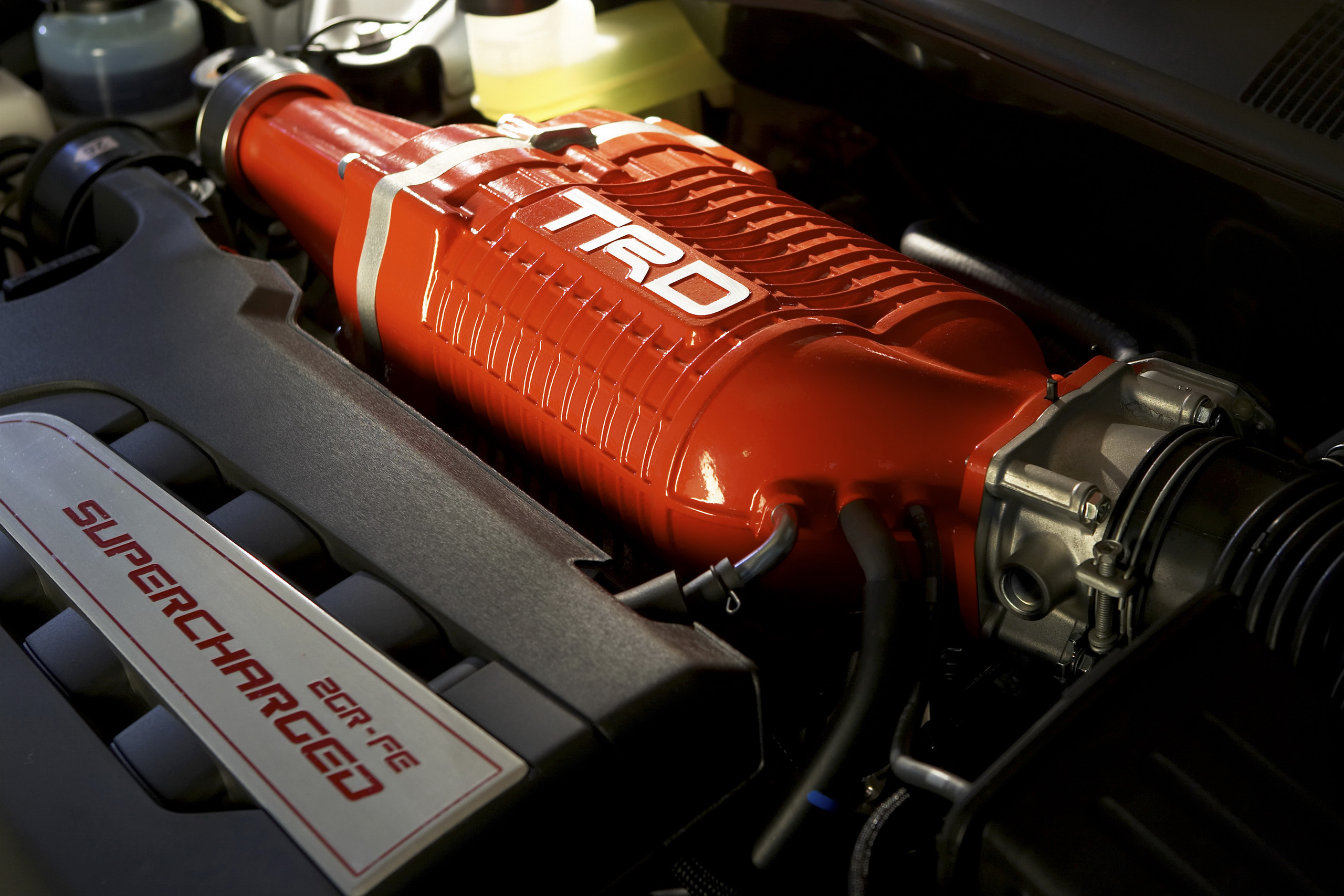
The TRD Aurion was not sold in North America but was essentially a standard Camry with a more aggressive look. It featured distinctive front and rear fascias, giving it a sportier appearance. While it came standard with a 3.5-liter V6 engine, TRD upgraded it with an Eaton supercharger, boosting power to 323 hp (241 kW) and 295 lb-ft (400 Nm) of torque. This made it the world's first production car to use Eaton’s Twin Vortices Series supercharger, which offered smoother operation, better throttle response, and improved efficiency.
Power was sent to the front wheels via a six-speed automatic transmission with a manual-style sequential mode. Toyota tuned the suspension, brakes, and steering to deliver a more engaging driving experience, aiming for a balance between daily usability and weekend fun.
Fastest Toyota on Sale in Australia
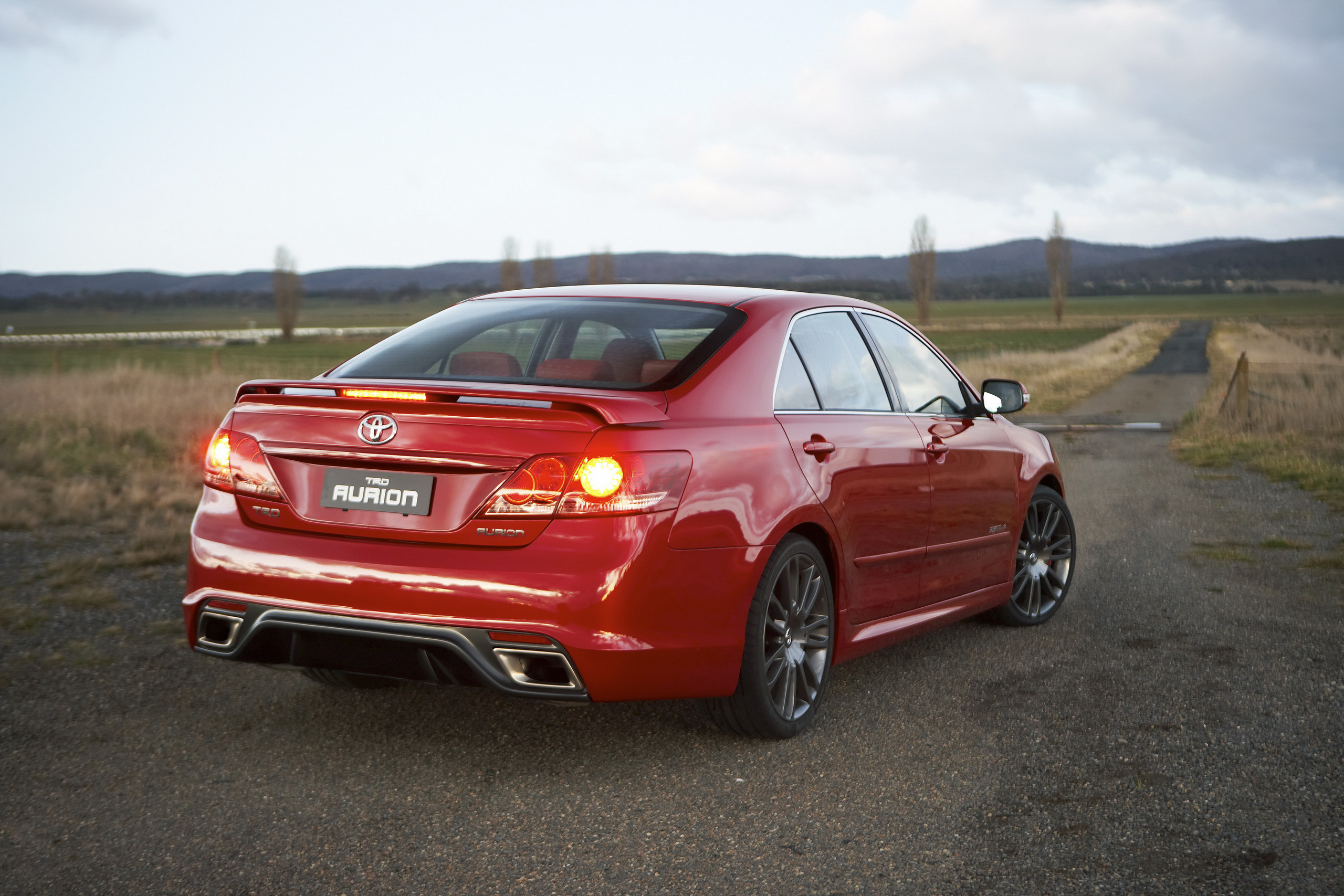
At the time of its launch, the TRD Aurion was the most powerful Toyota model ever sold in Australia. It could accelerate from 0 to 100 km/h (62 mph) in 6.1 seconds and reach a top speed of 250 km/h (155 mph). Its quarter-mile time was 14.2 seconds. While these numbers may seem modest by today’s standards, they were impressive for a front-wheel-drive vehicle. In fact, the TRD Aurion’s performance is comparable to modern FWD hot hatches like the Honda Civic Type R and Hyundai i30 N.
Enhanced Performance Features
TRD didn’t stop at just adding a supercharger. The TRD Aurion came with a revised suspension system that lowered the ride height by 12 mm (0.47 inches). The wheel alignment was also adjusted, with negative camber added to improve steering response. The car was fitted with 19-inch wheels and upgraded braking components, including larger discs and twin-piston calipers at the front, and single-piston units at the rear.
Visually, the TRD Aurion stood out with unique front and rear bumpers, a subtle lip spoiler, and a rear diffuser that housed two prominent tailpipes. The design was sporty but not overly flashy, maintaining a sense of understated sophistication.
Two Versions, Two Directions
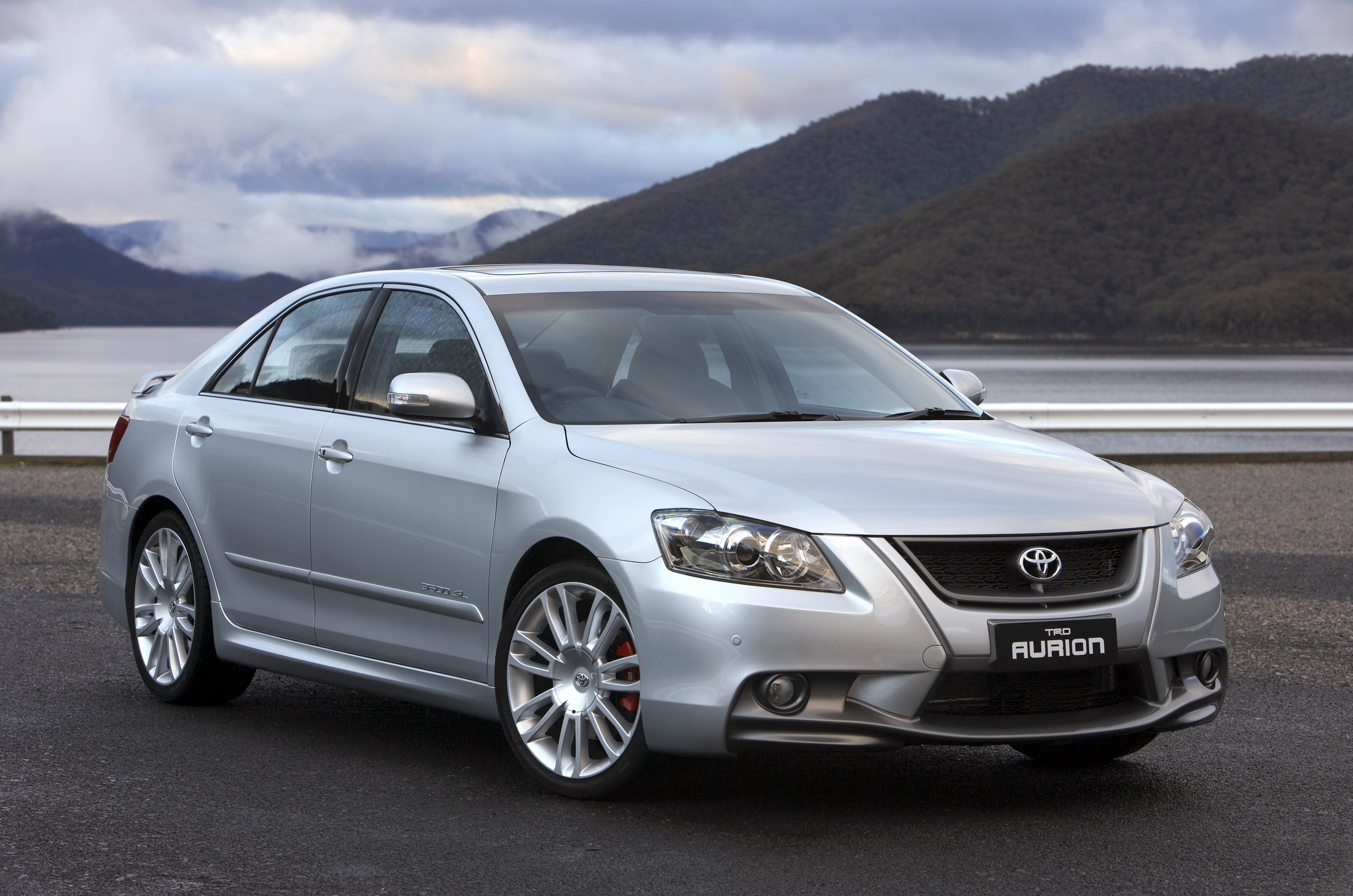
Toyota offered the TRD Aurion in two grades: the 3500S and the 3500SL. The 3500S was designed as the sport-focused entry point, while the 3500SL added luxury features such as leather upholstery, Smart Entry and Start, parking sensors, dual-zone climate control, and additional power seat adjustments.
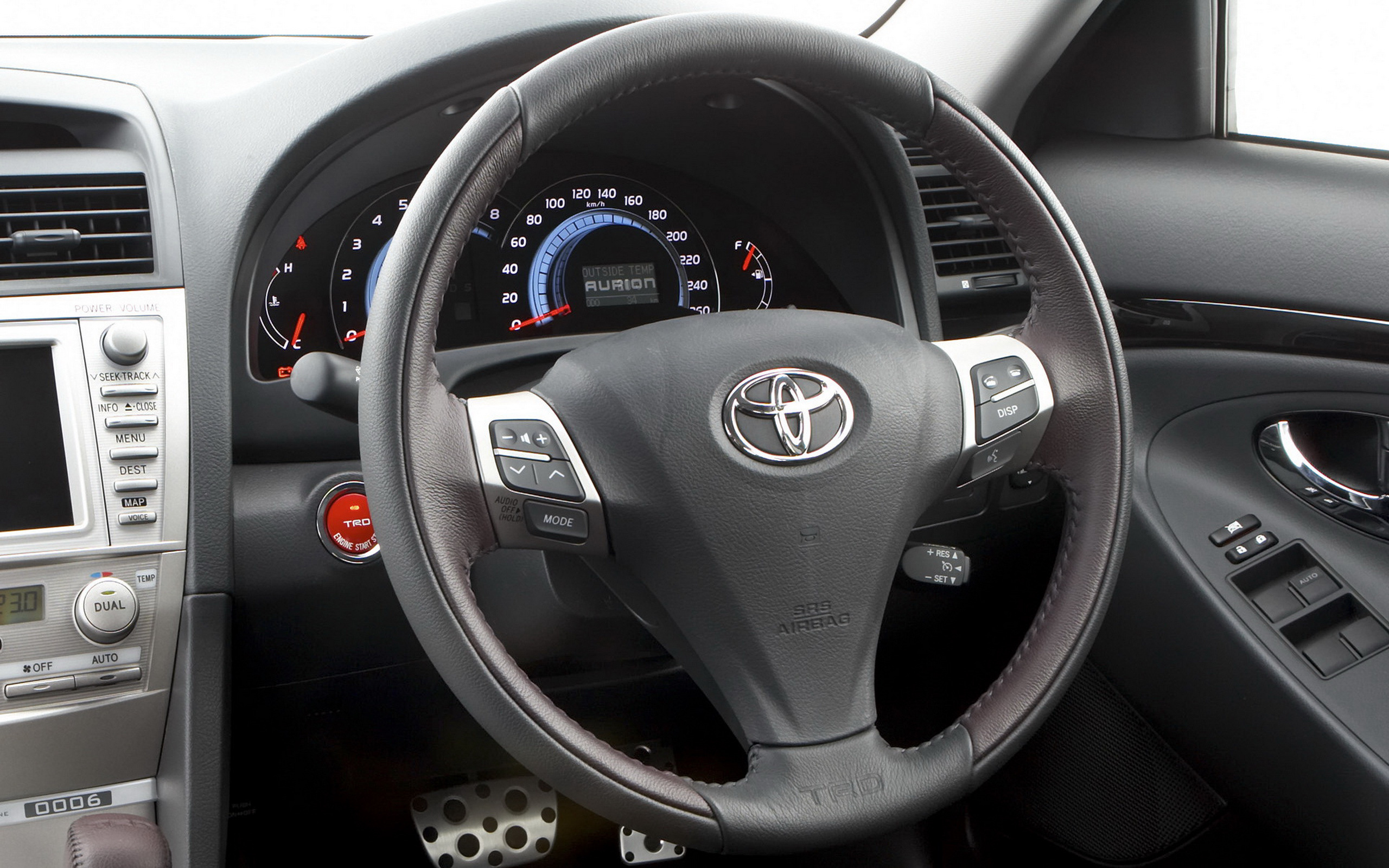
Pricing was strategically set to avoid the luxury car tax threshold. The 3500S had a recommended retail price of $56,990 AUD (around $48,400 USD), and the 3500SL was priced at $61,500 AUD (approximately $52,300 USD). Both versions included TRD-specific touches such as sports seats, alloy pedals, scuff plates, and a leather-wrapped steering wheel.
Why Didn’t It Catch On?
Despite its performance and polish, the TRD Aurion struggled to gain traction. Its front-wheel-drive layout and high price made it less appealing compared to traditional V8-powered rear-wheel-drive rivals from Ford and Holden. Additionally, Toyota’s conservative brand image did little to attract performance-oriented buyers. Production ended quietly in 2009, less than two years after its launch.
Toyota Australia


