The 1990s' Longest-Lasting Best-Selling Car
The Rise of the Ford Taurus in the 1990s
In the 1990s, the Ford Taurus was a dominant force in the U.S. automotive market. It held the title of the best-selling car for five consecutive years, from 1992 to 1996. This achievement made it stand out among its competitors, including the Honda Accord and Toyota Camry, which had claimed the top spot in other years.
During the five years that the Taurus was at the top, Ford dealers sold an impressive total of 1,934,551 vehicles. The numbers for each year were as follows:
- 1992: 409,751 units
- 1993: 360,448 units
- 1994: 397,037 units
- 1995: 366,266 units
- 1996: 401,049 units
This level of sales highlighted the popularity of the Taurus during this time.
Design and Innovation
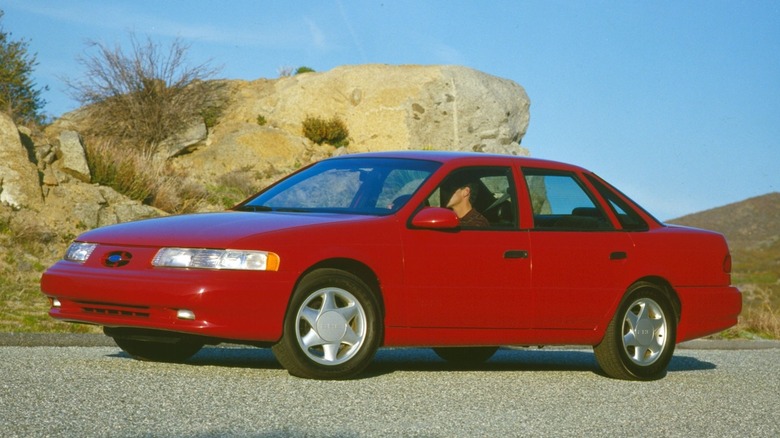
The second-generation Taurus, introduced in 1992, brought several design changes compared to the original model from 1986 to 1991. These included smaller headlights and a smoother body design, aimed at reducing the "jellybean" look that some critics had noted about the original model.
The Taurus was not just about looks; it was also a product of extensive research by Ford. The company aimed to redefine what an American car should be, especially in the face of increasing competition from Japanese brands. The Taurus team, led by Lewis Veraldi, focused on creating a front-wheel-drive vehicle that would be the best in its class.
To achieve this, they benchmarked the Taurus against luxury European cars like the Audi 5000S, ensuring that it offered superior handling, ride, and driving feel while still meeting the needs of U.S. buyers.
The Third-Generation Taurus
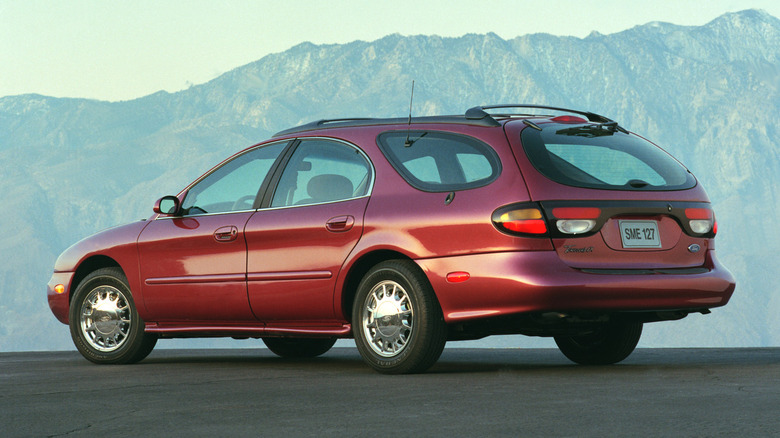
By 1996, it was time for Ford to introduce a new generation of the Taurus. The third-generation model featured a more oval design, both inside and out, inspired by luxury sedans such as those from Infiniti and Jaguar. However, this new styling did not receive a positive reception from customers, leading many to avoid purchasing the new model.
Additionally, 51% of the 1996 Tauruses ended up in fleet sales, which may have contributed to the decline in its popularity. This marked the end of the Taurus' five-year dominance in the U.S. market.
Legacy of the Ford Taurus
The legacy of the 1990s Ford Taurus is significant. It was a period when an American-designed car managed to outsell its Japanese counterparts, including the Honda Accord and Toyota Camry. This success forced all automakers in the U.S. market to raise their standards.
Japanese automakers responded by upsizing their vehicles to match the interior space of the Taurus, while American manufacturers worked to improve their interiors to compete with the Taurus' innovative control layout and dashboard design. The Taurus also set a new benchmark for mass-market vehicles, raising the bar for quality and design.
The Impact of the Taurus
The Taurus' five-year run as the top-selling U.S. sedan started with the introduction of the second-generation model and ended with the launch of the third-generation. By this time, many of the original team members who had worked on the 1986 Taurus had retired or passed away.
After the Taurus lost its top spot, the Toyota Camry took over, and the rise of SUVs began to impact sedan sales. Eventually, Ford discontinued the Taurus.
The 1992-96 Ford Taurus combined strong marketing, solid engineering, family appeal, and fleet sales to maintain its dominance for five years. It raised the standards for mass-market vehicles and left a lasting impact on the automotive industry.
Conclusion
The Ford Taurus of the 1990s was more than just a successful car; it was a symbol of innovation and American engineering. Its influence extended beyond sales figures, shaping the future of the automotive industry and setting new expectations for quality and design. While it eventually lost its top position, its legacy remains an important chapter in the history of American cars.


