Rivian CEO: EV Slowdown Isn't About Demand, It's About Choice
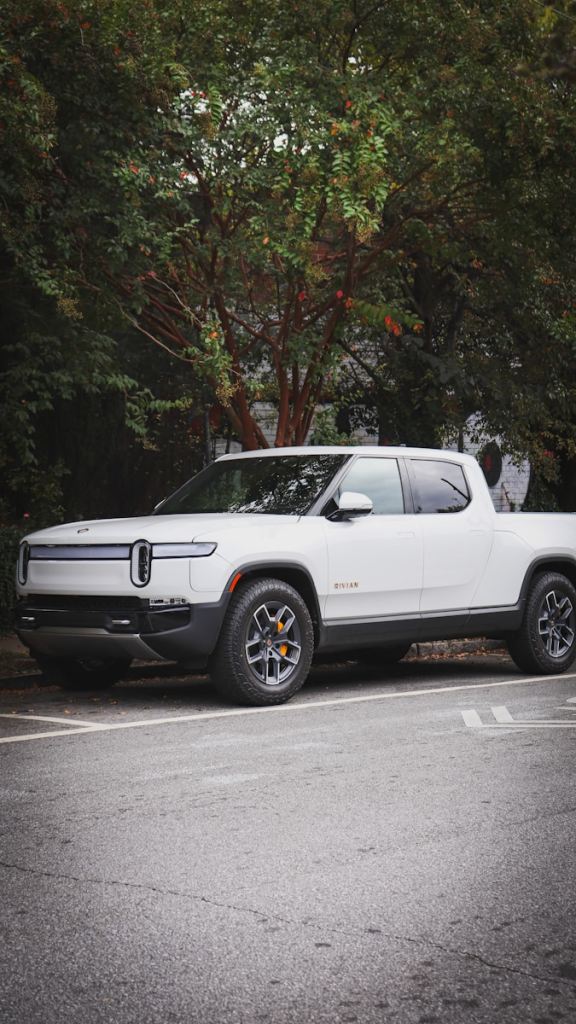
The electric vehicle (EV) industry, which was once expected to follow a steep upward trajectory, is now showing signs of a slowdown. In 2024, U.S. EV sales increased by 7 percent to 1.3 million units, a significant drop from the 46 percent growth recorded in the previous year. This decline has prompted car manufacturers to reassess their strategies, as EVs currently hold an insignificant 8 percent market share in new vehicle sales. The conversation around EVs is shifting from rapid expansion to more cautious evaluation.
EV Market Trends to Note
- The growth of U.S. EVs dropped significantly in 2024.
- EVs represent approximately 8 percent of new car sales.
- Electrification plans are being reconsidered by automakers.
- Its growth is positive but not exponential.
- The industry should be able to adjust to evolving consumer demands.
While some observers may view this slowdown as a negative trend, RJ Scaringe, CEO of Rivian, offers a different perspective. He argues that the issue lies not with demand, but with the product offerings in the market. High demand for EVs exists, but the selection of affordable options below $50,000 remains limited. This lack of accessible and appealing models has created a short-term bottleneck, preventing millions of potential buyers from switching from gasoline-powered vehicles.
1. The Sub-$50,000 Dilemma
According to Scaringe, the sub-$50,000 segment is where mass-market adoption must occur. Despite the overall rise in EV sales, they have not yet captured the attention of the broader public due to a lack of attractive models. The current market offers very few cars within this price range that provide good performance, design, and capability. There is a clear disconnect between what consumers want and what is available on the market.
Issues within the Affordable EV Segment
- Not many choices concerning the middle-income segment.
- Consumers are after performance and variety in design.
- EVs with high prices are the dominating providers.
- Competitive pricing is required to make mass adoption possible.
- Innovation in the market is outpaced by demand.
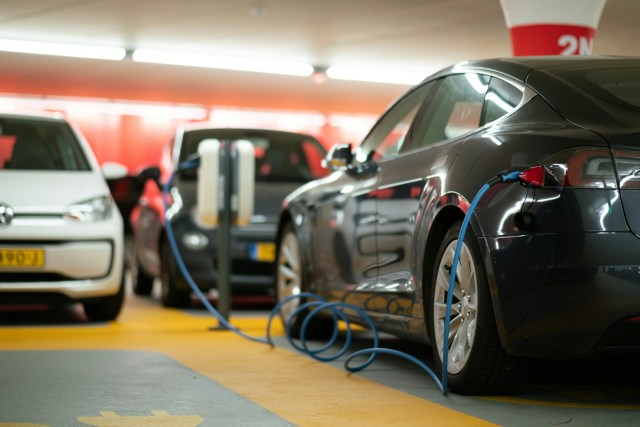
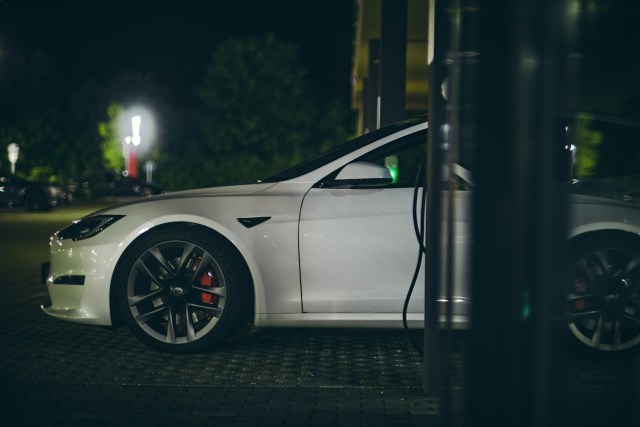
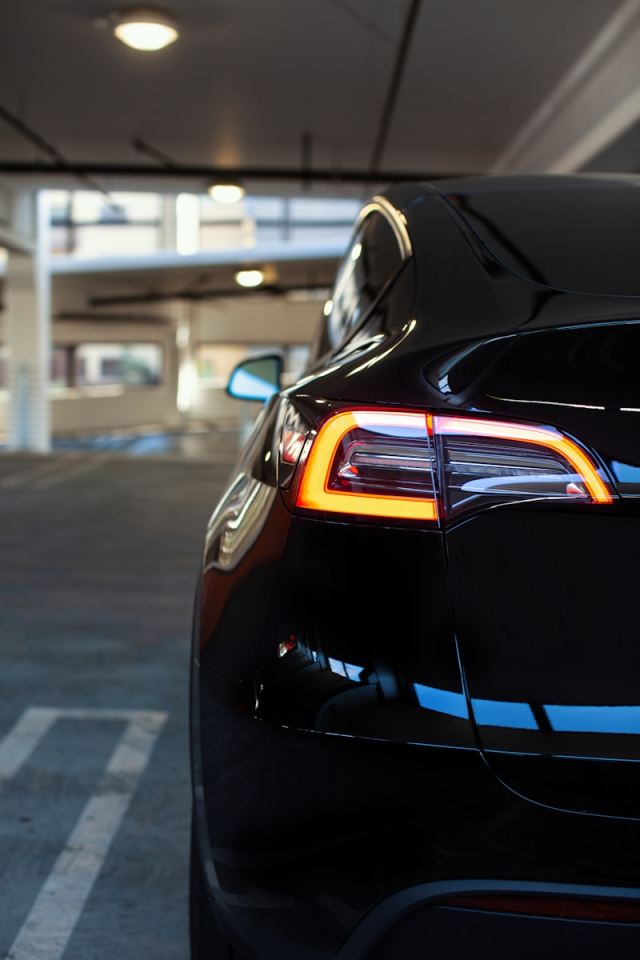
Tesla dominates the sub-$50,000 EV market with the Model 3 and Model Y, which have become extremely popular. However, this dominance has led to a lack of diversity in the EV landscape. Many other companies mimic Tesla’s designs and features, resulting in a market that appears diverse but is actually homogenized. As a result, consumers often have to compromise on aesthetics or functionality to switch to an electric vehicle.
2. Tesla’s Market Influence
Tesla's influence on the EV industry has been profound, creating a unique dynamic within the sector. The success of the Model 3 and Model Y has set a standard that many competitors strive to match. However, this has also led to a lack of product differentiation, as companies rush to replicate Tesla's formula. The end result is a market where consumers have limited real choice, and innovation is stifled.
Tesla Has an Effect on Competition
- Model Y and 3 control the sub-$50K EV market.
- Designs of Tesla are often imitated by its competitors.
- Consumers have poor real choice.
- Homogenization of the market leads to a decrease in diversity.
- It is usually inevitable to compromise with buyers.
Scaringe believes that this environment hinders innovation. Customers may desire larger vehicles or unique designs, but they are constrained by what the market offers. While some are willing to go with Tesla due to its appealing products, these vehicles may not always align with their lifestyle preferences. Providing true diversity that meets both functional and aesthetic needs remains a challenge.
3. Latent Demand for Variety
Scaringe believes there is a huge unexploited market for EVs that can cater to various tastes. He suggests that millions of potential buyers are waiting for vehicles that offer different form factors, designs, and branding. The slower pace of adoption is not due to consumer reluctance, but rather a mismatch between what is available and what consumers expect.
Opportunities in EV Demand
- Big market awaiting non-Tesla substitutes.
- Customers want different design and functionality.
- There is great latent demand under $50K.
- Adoption could be opened by product variety.
- The success of EV in the mass-market relies on selection.
This untapped demand represents a critical opportunity for innovative manufacturers. Companies that offer vehicles that differ from Tesla in looks, functionality, and brand identity can attract a segment of consumers who have been overlooked. Rivian is targeting this gap with its new models, especially those that are affordable and versatile.

4. Rivian Strategy: Unmet Needs
Rivian aims to fill this gap in the market with unique products. Its flagship models, the R1T pickup and R1S SUV, have distinctive off-road and performance characteristics, but they target the high-end segment rather than the mass market. The company’s goal is to make its designs and functionalities more affordable to reach a broader audience.
Rivian’s Approach
- Develop unique EVs other than Tesla designs.
- Integrate off-road capability and utility.
- Provide distinct designs and brand recognition.
- Target did not serve the right market segments.
- Extend affordability of the mass-market.
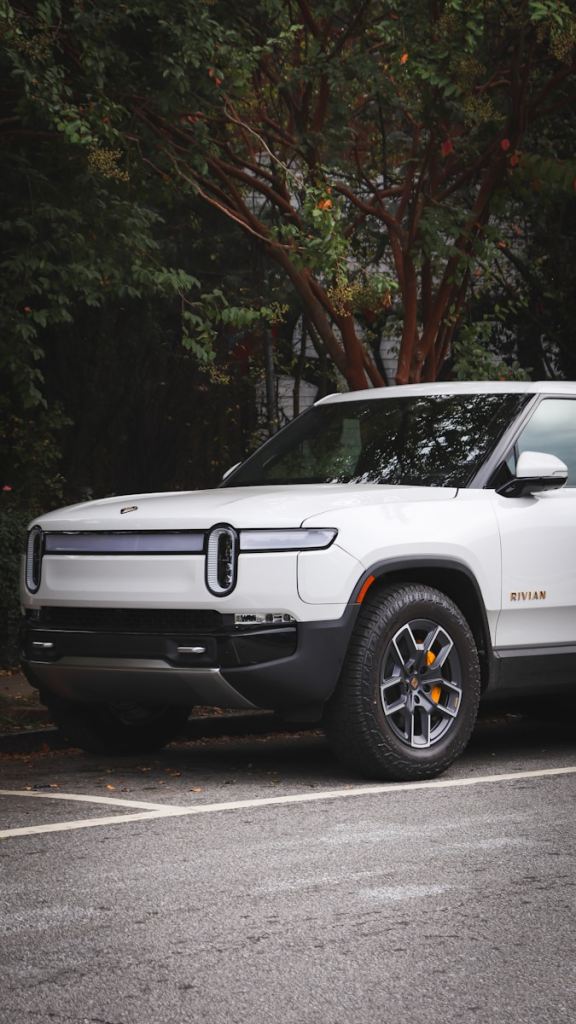
To achieve affordability, Rivian is working on the R2 platform. The midsize SUV, called R2, will be launched in 2026 with an initial cost of $45,000, directly competing with the Tesla Model Y. Unlike many competitors, the R2 will emphasize an outdoor-like appearance, offering an alternative to the widespread crossover designs that resemble an egg. This strategy ensures that low cost does not equate to low quality or limited potential.
5. R2 Platform: Low Cost Innovation
The R2 is designed to deliver performance and design at a balanced price. With a range of over 300 miles and a 0-60 mph acceleration time of 3.0 seconds, it demonstrates that affordability does not mean compromising on quality. The R2 also provides an option for customers frustrated by the lack of cars below $50,000, signaling Rivian’s commitment to addressing latent demand in the EV market.
R2 Vehicle Highlights
- Starting price of $45,000.
- 300+ miles of electric range.
- 0-60 mph in 3.0 seconds.
- Distinct design is a difference with Tesla.
- Targets mass-market buyers.
The R2 will be manufactured using an automated hang-on design, allowing Rivian to increase production efficiency. Once full capacity is reached, the company will be able to produce up to 155,000 vehicles per year, a significant increase from the 57,232 units delivered last year. This level of production shows Rivian’s ambition to move beyond its niche status and become a major player in the EV industry.
6. Diversification of the Portfolio: R3 and Beyond
Rivian is also developing the R3, a smaller and cheaper SUV based on the R2 platform. This vehicle targets the small SUV segment, competing with models like the Toyota RAV4 and Tesla Model Y. By offering a range of sizes and prices, Rivian aims to attract a broad customer base and solidify its position in the EV market.
R3 Vehicle Goals
- Small and low cost design.
- Built on the R2 platform.
- Target small SUV segment.
- Broaden market reach.
- Support the long-term growth strategy.
The R3 represents Rivian’s belief that the EV market will expand when a variety of appealing choices is available. By providing different performance levels, form factors, and designs, the company ensures that it meets the needs of millions of buyers who have so far remained on the periphery of the market.

7. Financial and Operational Discipline
Navigating the current EV market requires financial discipline. Rivian has faced challenges such as the expiration of federal tax credits and rising tariffs on raw materials. To address these issues, the company has implemented staff reductions and formed a joint venture with Volkswagen to secure up to $5.8 billion in support. These actions demonstrate Rivian’s commitment to maintaining operational flexibility and increasing production of its new platforms.
Key Financial Actions
- Redundancies in strategic workforce.
- Investment and collaboration ventures.
- Dealing with increasing cost of raw materials.
- Conformity of cost structure to market.
- Put emphasis on scalable production.
Despite a net loss of $1.1 billion in Q2 2025, Rivian’s stock has increased by 94 percent, driven by investor optimism. The company employs over 2,000 engineering and design positions in California and more than 8,000 production positions in Illinois, ensuring that it maintains core competencies while scaling up production.
8. EVs as a Sustainable Choice
Rivian emphasizes the environmental and economic benefits of electric vehicles. EVs emit significantly less carbon pollution than gasoline vehicles, even when charged on average grids. Additionally, they help consumers save thousands of dollars annually on fuel costs. Scaringe believes the industry is at a critical stage of transition, where EVs are becoming the most viable option for consumers.
Advantages of Electric Vehicles
- Lower carbon emissions.
- Reduced fuel costs.
- Cleaner urban air.
- Gasoline substitute that is sustainable.
- Adoption is augmented by saving money.
Rivian is addressing both consumer and environmental needs by developing strong, desirable solutions that are cost-effective. The R2 and R3 are designed to expand the scope of EVs without compromising performance or design, offering an environmentally friendly option that remains attractive to buyers.
9. The EV Adoption Inflection Point
Scaringe views the current slowdown as a temporary congestion caused by a lack of product variety, not a decline in demand. He sees this as a pivotal moment where EV-producing companies can tap into a vast, untapped market. By providing vehicles that meet a wide range of needs, companies can accelerate the adoption process and lead the next phase of electrification.
Why Now Matters
- Stagnation is an indicator of a dearth of variety of products.
- There is a chance of converting the owners of combustion vehicles.
- The different EVs will open up the latent demand.
- Rivian wants to offer substitutes.
- Big growth potential in market.
The future of the EV market depends on expanding choices. Current success will not be driven by demand creation, but by the availability of electric cars that match buyer preferences. As demonstrated by Rivian’s strategy, diversity, lower prices, and unique design are key to success and will shape the future of electrification in the coming years.


