Second measles case reported in Northern Virginia this year
Potential Measles Exposure at Fort Belvoir and Beyond
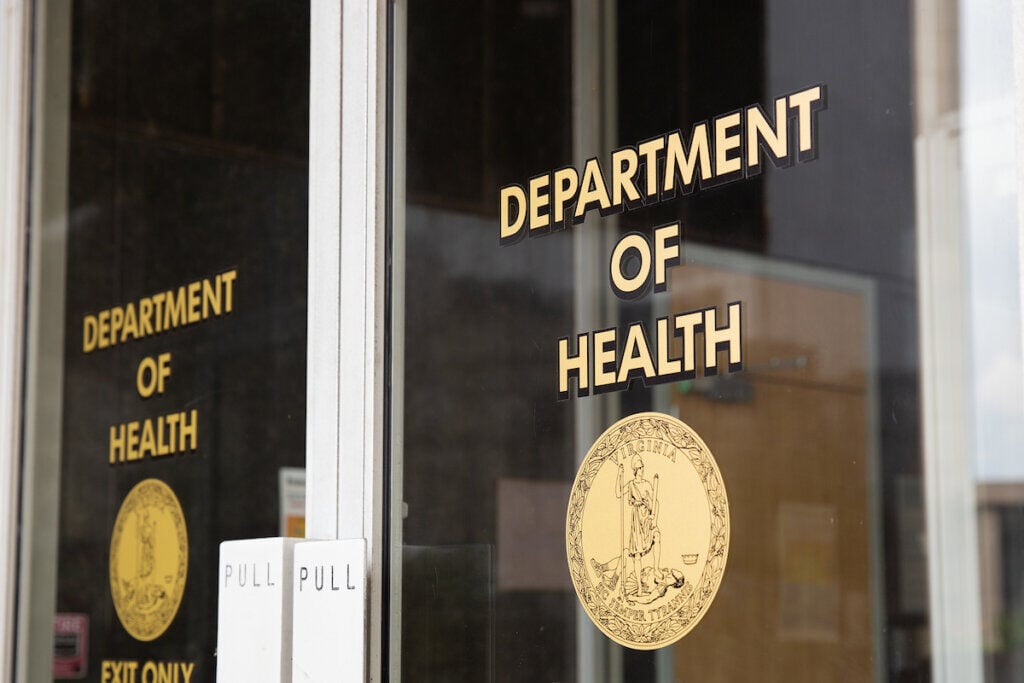
A preschool-aged child with measles may have exposed others at Fort Belvoir Community Hospital on Friday, according to a recent statement from the Virginia Department of Health. The patient is a child under four years old who recently traveled internationally, raising concerns about the spread of the highly contagious illness.
Health officials are currently working to identify individuals who may have come into contact with the infected child. One specific exposure site is the Fort Belvoir Community Hospital, now known as Alexander T. Augusta Military Medical Center. The potential exposure occurred on Friday, January 9, between 9:30 a.m. and 3 p.m., and again from 10 p.m. to midnight.
In addition to the hospital, there is also concern about potential exposure on a train that passed through several nearby states and Washington, D.C. Amtrak Northeast Regional Train 175 departed from William H. Gray III 30th Street Station in Philadelphia at 9 p.m. on Wednesday, January 7, and arrived at Washington Union Station at 11:30 p.m.
This incident comes shortly after health officials confirmed Virginia's first case of measles in 2026 involving another child under four years old in central Virginia. In 2025, the state reported five cases of measles.
What to Do If You Were Exposed
For those who were at the specified locations on the given dates and times, it’s important to take precautions. According to the Virginia Department of Health, if you have never received a measles-containing vaccine, you may be at risk of developing the illness. Anyone who believes they may have been exposed should contact their healthcare provider immediately.
It is recommended to watch for symptoms for 21 days following the date of potential exposure. If symptoms appear, individuals should isolate themselves by staying home and contact their healthcare provider right away.
If seeking medical care, it is crucial to call ahead before visiting a healthcare provider's office or the emergency room. This step helps notify staff that you may have been exposed to measles and allows them to take necessary precautions to protect other patients and staff.
Individuals with immunocompromising conditions should consult their healthcare provider if they have questions or develop symptoms.
Vaccination and Protection
Those who have received two doses of a measles-containing vaccine, or were born before 1957, are considered protected and do not need to take any action. However, individuals who have only received one dose of the vaccine are very likely to be protected, and their risk of infection from these exposures is low. To achieve the highest level of protection, it is advisable to contact a healthcare provider about receiving a second dose.
Understanding Measles
Measles is a highly contagious illness that spreads easily through the air when an infected person breathes, coughs, or sneezes. Symptoms typically appear in two stages. The first stage usually includes a fever over 101 degrees, a runny nose, watery red eyes, and a cough. These symptoms typically begin seven to 14 days after exposure.
The second stage starts three to five days after the initial symptoms, when a rash appears on the face and spreads across the body. People with measles are contagious from four days before the rash appears through four days after the rash has developed.
Preventive Measures and Public Awareness
Public health officials emphasize the importance of vaccination in preventing the spread of measles. Individuals who are unsure of their vaccination status should consult their healthcare provider to determine if they need additional doses. By taking these steps, communities can work together to reduce the risk of further outbreaks and protect vulnerable populations.


