Trump Aims to Revive Venezuela's Oil Economy Amid U.S. Affordability Struggles
The U.S. Takes a Bold Step in Venezuela
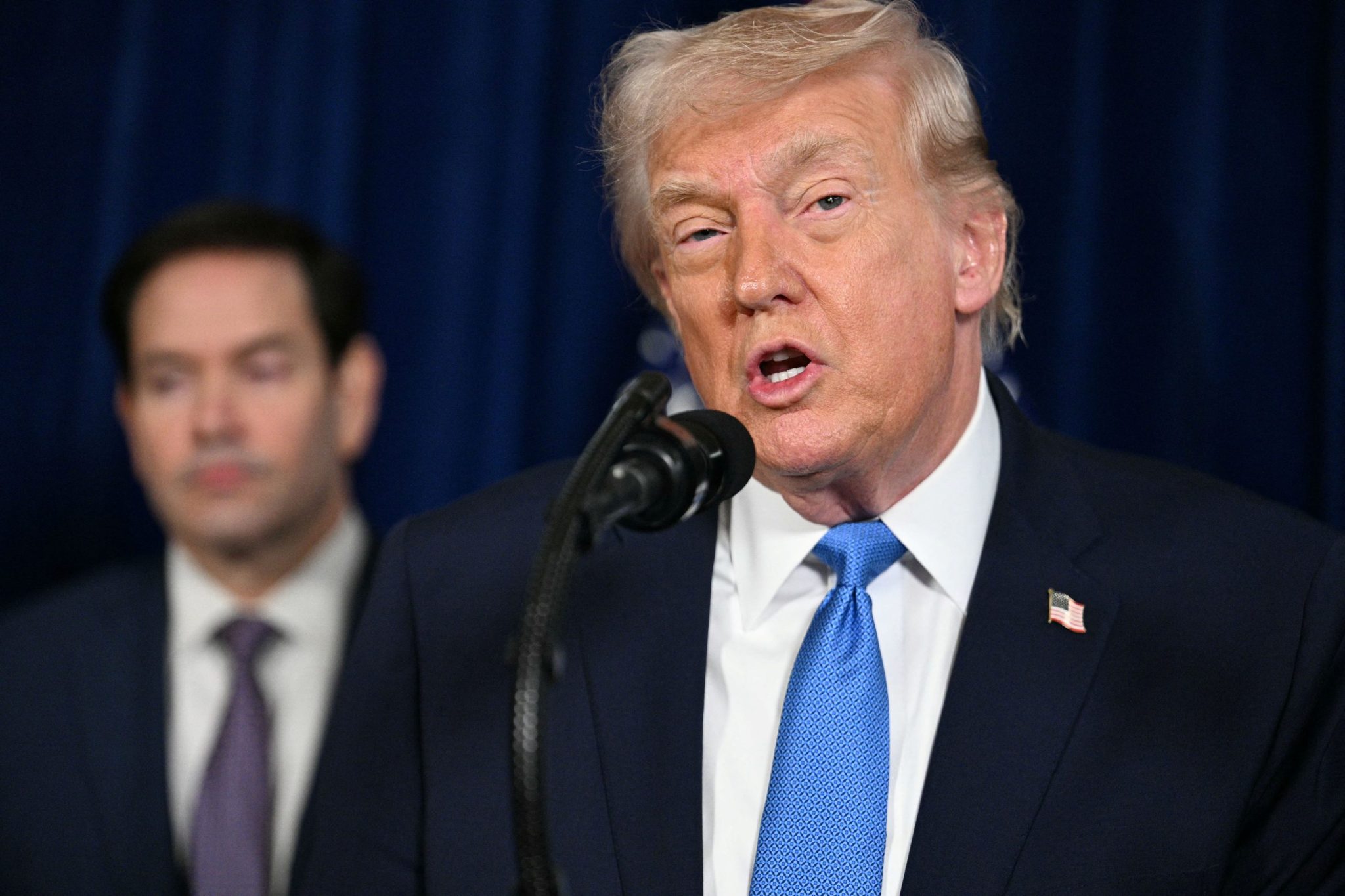
President Donald Trump has made a significant commitment to the United States' involvement in rebuilding Venezuela's oil industry, which is seen as the backbone of the country’s struggling economy. This move comes after the capture and arrest of dictator Nicolas Maduro by American forces. During a press briefing on Saturday, Trump emphasized that the U.S. will take charge of Venezuela to facilitate a transition to new leadership, even hinting at the possibility of deploying troops there.
Trump claimed that Maduro’s vice president, Delcy Rodriguez, is "essentially willing to do what we think is necessary to make Venezuela great again" and would follow U.S. directives. He assured the public that the U.S. would not abandon Venezuela after removing Maduro, stating, "If we just left, it has zero chance of ever coming back. We’ll run it properly. We’ll run it professionally."
Venezuela possesses the world’s largest proven oil reserves, yet production has declined significantly due to American sanctions and the mismanagement under Maduro's regime. Trump suggested that the U.S. would utilize Venezuela’s oil wealth to fund the mission and compensate American companies that previously operated in the country but had their assets nationalized by the socialist government.
"We’re going to rebuild the oil infrastructure, which will cost billions of dollars," he said. "It’ll be paid for by the oil companies directly, and they will be reimbursed for what they’re doing. But it’s going to be paid, and we’re going to get the oil flowing."
Energy analysts estimate that it could take several years, potentially close to a decade, to fully rebuild the Venezuelan oil sector and significantly increase exports. Trump acknowledged the challenges involved, noting that the infrastructure is "rotted" and that extraction is dangerous.
"We’re going to be replacing it, and we’re going to take a lot of money out so that we can take care of the country," he explained. While highlighting the potential returns for U.S. oil companies, Trump also emphasized that the Venezuelan people would be the primary beneficiaries of Maduro's removal.
However, Trump's actions have sparked controversy, given his campaign platform of "America first" and promises to avoid foreign conflicts. Although he has attempted to end Russia's war on Ukraine, Trump faced backlash from his MAGA base after the U.S. joined Israel’s conflict with Iran last summer by bombing key nuclear facilities.
In the off-year elections, voters delivered significant defeats to Republicans, criticizing Trump for not adequately addressing the rising cost of living. This prompted the Trump administration to roll back tariffs on certain grocery staples and suggest sending out tariff "dividend" checks along with lower housing costs through 50-year mortgages. On New Year’s Eve, he delayed tariff hikes on certain furniture for a year after indicating that levies on some Italian pastas would be much lower than planned.
Defense Secretary Pete Hegseth justified the U.S. military action in Venezuela by stating, "This is America first." When asked how running a country in South America aligns with "America first," Trump responded, "It is because we want to surround ourselves with good neighbors. We want to surround ourselves with stability, and we want to surround ourselves with energy. We have tremendous energy in that country. It’s very important that we protect it. We need that for ourselves. We need that for the world, and we want to make sure we can protect it."
Critics, however, have pointed out the inconsistency between Trump's campaign rhetoric and his latest military moves. GOP Rep. Marjorie Taylor Greene, once a staunch Trump ally, expressed her disappointment on X, stating that Americans are facing increasing costs in living, housing, and healthcare while tax dollars are spent on "foreigners both home and abroad."
Greene, days before her exit from Congress, noted that Americans are tired of fighting wars and providing support for foreign conflicts, but establishment Republicans and Democrats have kept the Washington military machine funded. "This is what many in MAGA thought they voted to end," she added. "Boy were we wrong."
Meanwhile, Senate Minority Leader Chuck Schumer criticized Trump for attacking Venezuela without congressional authorization or a credible plan for a post-Maduro future. "To distract from skyrocketing costs Americans face and the historic cover up of the Epstein files, Donald Trump is attempting to throw Americans into more international chaos and uncertainty," he stated.


