Starmer Under Pressure to Revoke UK Citizenship for Egyptian Activist
The Controversy Surrounding Alaa Abd El-Fattah’s UK Citizenship
The recent return of Egyptian democracy activist Alaa Abd El-Fattah to the United Kingdom has sparked a significant debate over his eligibility for British citizenship. Sir Keir Starmer, the leader of the Labour Party, is now under pressure to address calls for the revocation of Abd El-Fattah’s UK nationality, following the revelation of past social media posts that have been deemed offensive and potentially inciting.
Abd El-Fattah was detained in Egypt in September 2019 and later sentenced to five years in prison in December 2021 on charges of spreading false news. His case drew international attention, with UN investigators labeling his imprisonment as a breach of international law. After years of advocacy from both Conservative and Labour governments, he was pardoned by Egyptian President Abdel-Fattah el-Sisi in September 2023 and allowed to return to the UK.
Upon his arrival, Abd El-Fattah was reunited with his son, who resides in Brighton, after a travel ban was lifted. However, this reunion has been overshadowed by the emergence of old social media posts dating back to 2010, in which the activist appears to call for violence against Zionists and the police. While the Press Association could not verify the authenticity of these tweets, they have raised serious concerns among various political figures.
Kemi Badenoch, the Conservative Party’s leader, and Nigel Farage, leader of Reform UK, have both called for the Home Secretary to investigate whether Abd El-Fattah should be stripped of his UK citizenship and deported. Badenoch expressed her disbelief that no one had noticed the activist’s published statements over the years, suggesting that those who did see them may have considered them “offensive but unserious” or merely “loose talk.” She emphasized the need for vigilance in considering an individual’s public record when making decisions about citizenship.
Shadow justice secretary Robert Jenrick previously described Abd El-Fattah’s ties to the UK as “tenuous at best,” claiming he was granted citizenship through a “loophole.” This statement highlights the broader concern about how individuals with controversial backgrounds can gain access to the UK through legal channels.
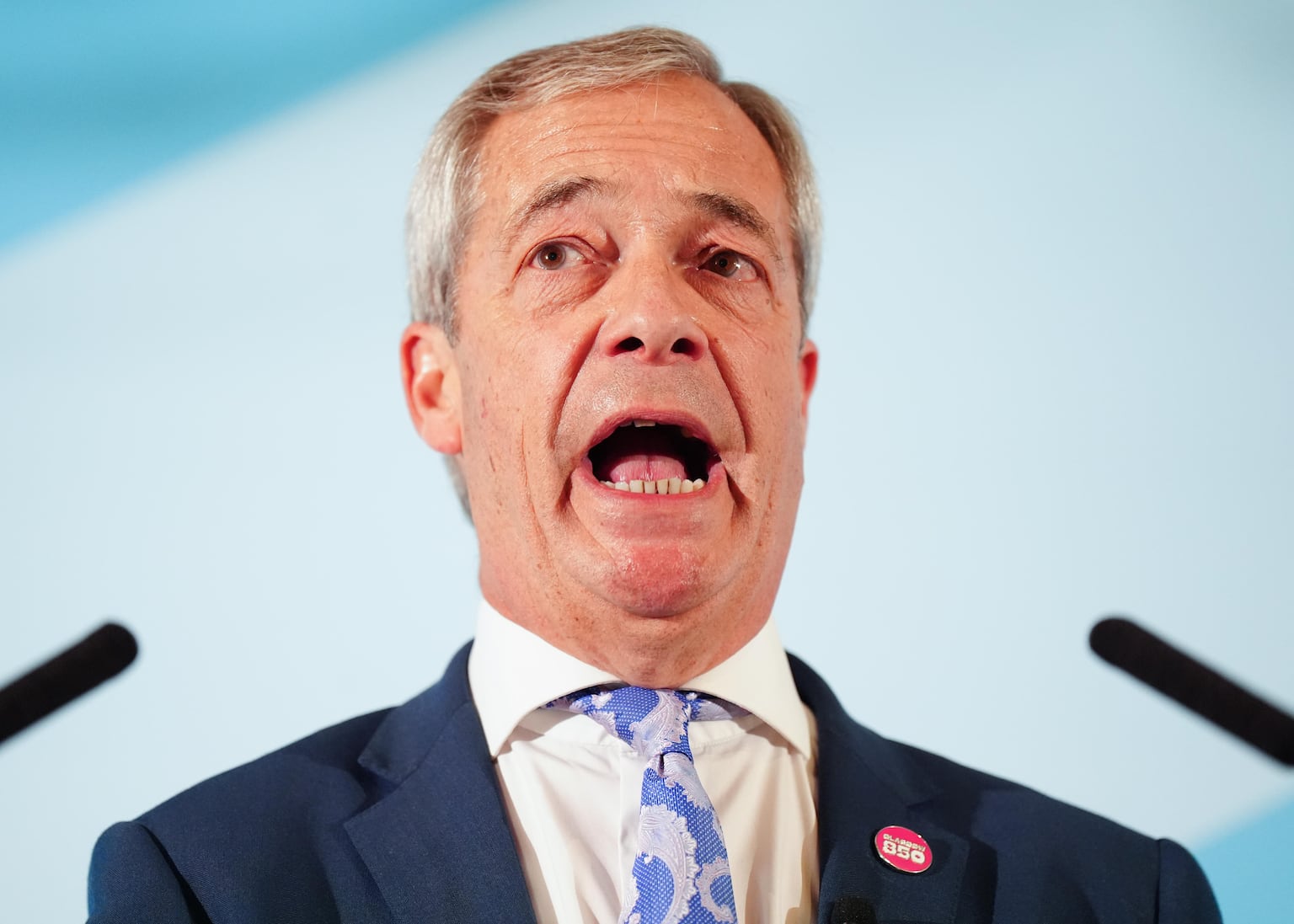
Abd El-Fattah was granted UK citizenship in December 2021 under the previous administration of Boris Johnson, reportedly through his UK-born mother. Farage has since written to Home Secretary Shabana Mahmood, urging her to revoke his citizenship. He pointed out that MPs and peers from multiple parties, including Labour, the Conservatives, and the Liberal Democrats, had supported his case. Farage criticized the lack of due diligence conducted on Abd El-Fattah, calling it “astonishing.”
In response, the Foreign Office stated that Abd El-Fattah is a British citizen and emphasized that successive governments have prioritized his release and family reunification. They also condemned his historic tweets, describing them as “abhorrent.”
It is reported that Sir Keir Starmer was unaware of the social media posts when he expressed his delight at Abd El-Fattah’s return to the UK. However, the Board of Deputies of British Jews has raised concerns with the government, emphasizing the urgent need to determine whether Abd El-Fattah still holds the views expressed online.
The board warned that his previous extremist and violent rhetoric targeting “Zionists” and white people in general poses a threat to British Jews and the wider public. Meanwhile, the Jewish Leadership Council voiced concerns about the safety of Jewish communities, particularly in light of recent antisemitic attacks in Manchester and Australia’s Bondi Beach.
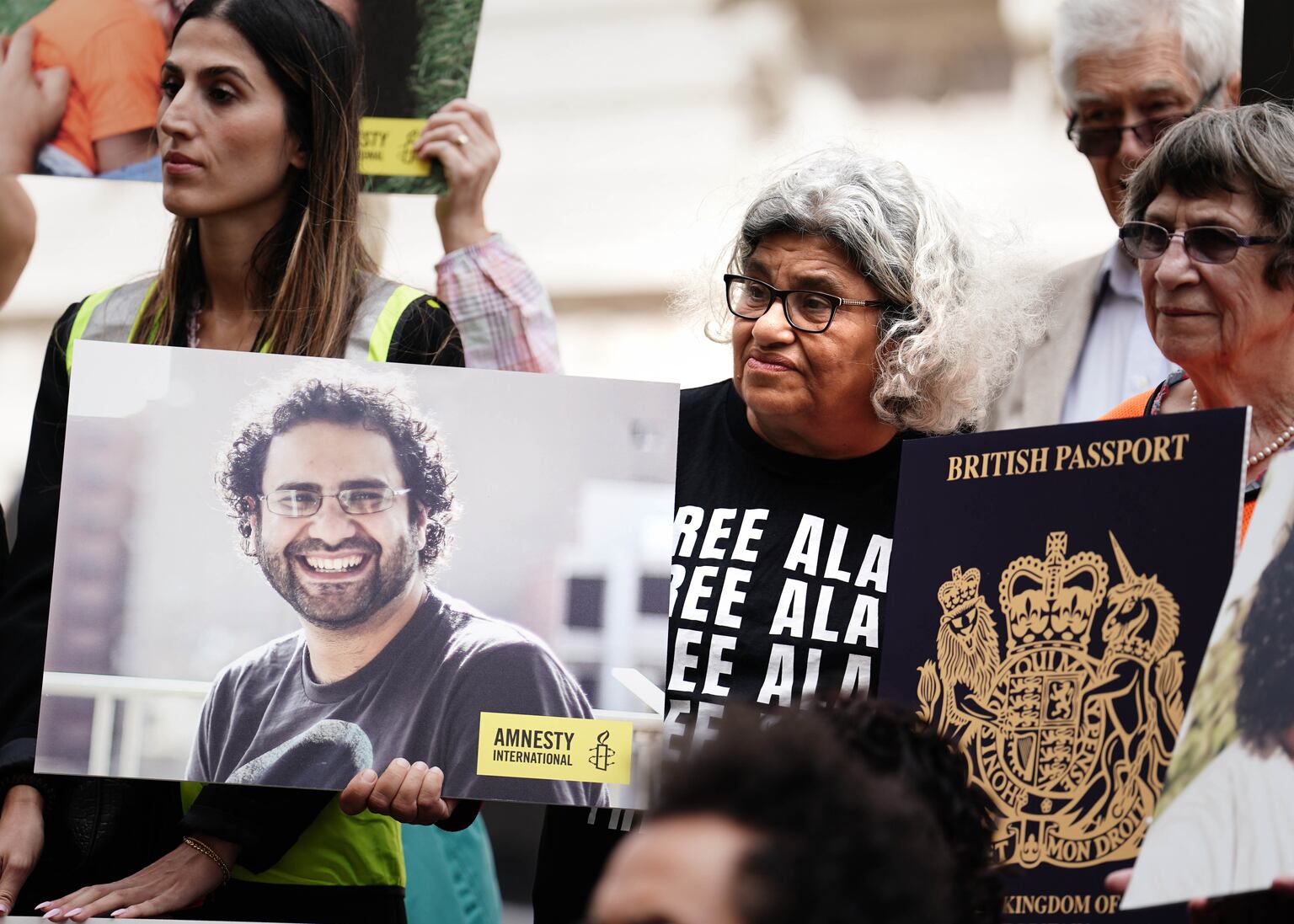
The council expressed dismay at the “effusive welcome” given to Abd El-Fattah by the UK government, noting that the Prime Minister has pledged to combat antisemitism while simultaneously celebrating the return of someone who has advocated for the killing of Zionists.
Iain Duncan Smith, former leader of the Conservative Party, has expressed regret for having lobbied for Abd El-Fattah’s release. He urged the police to investigate the comments made by the activist. Tory MP Alicia Kearns, a former chair of the foreign affairs select committee, said she felt “deeply let down” upon learning of the “grotesque tweets” and called for Abd El-Fattah to unequivocally apologize and reject the hatred and antisemitism he expressed.
Abd El-Fattah was a prominent figure during Egypt’s 2011 Arab Spring uprising and has engaged in hunger strikes while imprisoned. In 2014, his Twitter posts led to the withdrawal of his nomination for the European Parliament’s Sakharov Prize, as the group backing him discovered a tweet from 2012 in which he called for the murder of Israelis.


