Samsung Display Reveals Breakthrough OLED Tech for Robots and Wearables at CES 2026
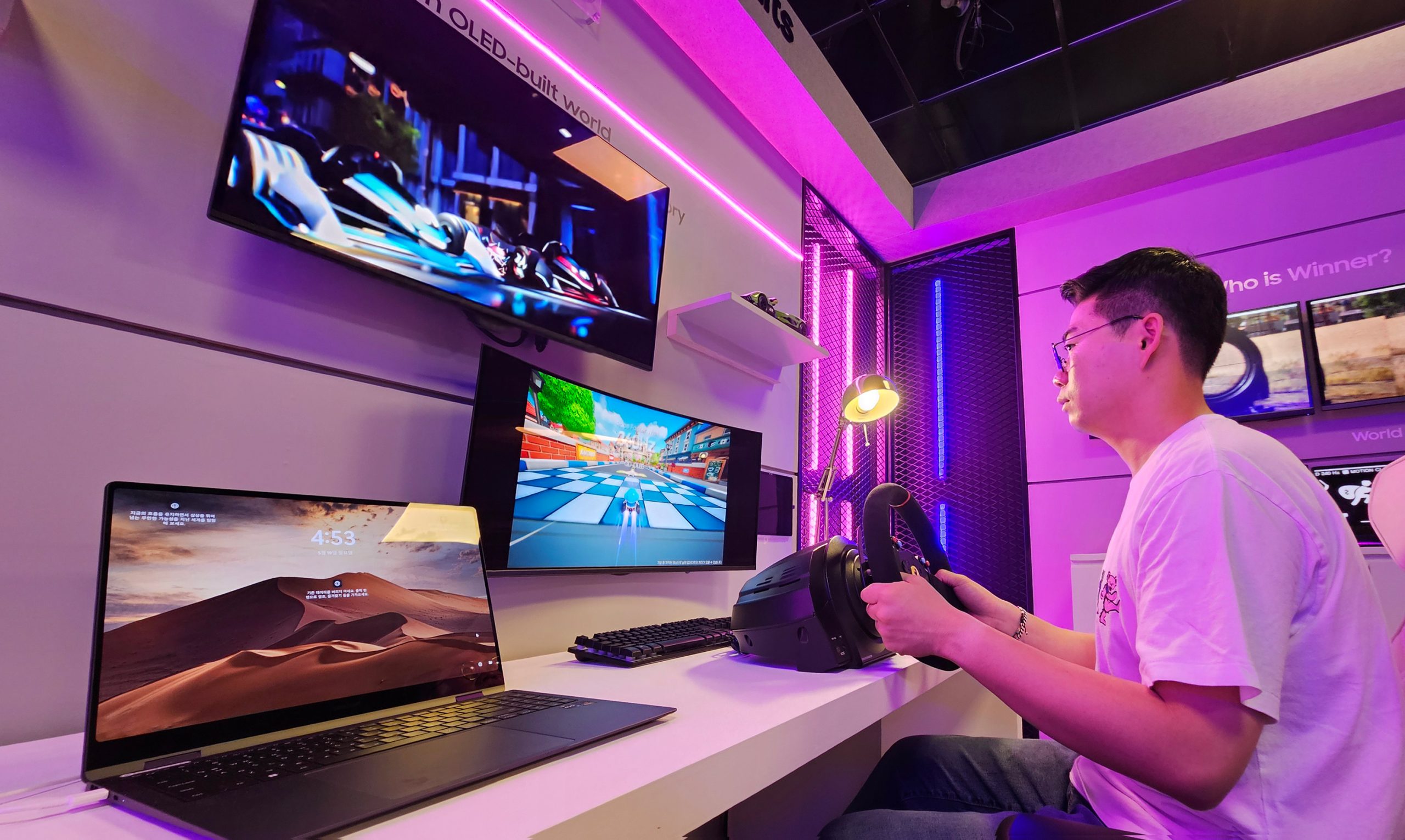
Samsung Display Unveils New OLED Tech for Robots & Wearables at CES 2026
At CES 2026, Samsung has once again taken center stage with a series of groundbreaking advancements in display technology. While the company isn't unveiling new smartphones this year, it's making waves with its innovations in OLED panels and their potential applications in AI-driven devices.
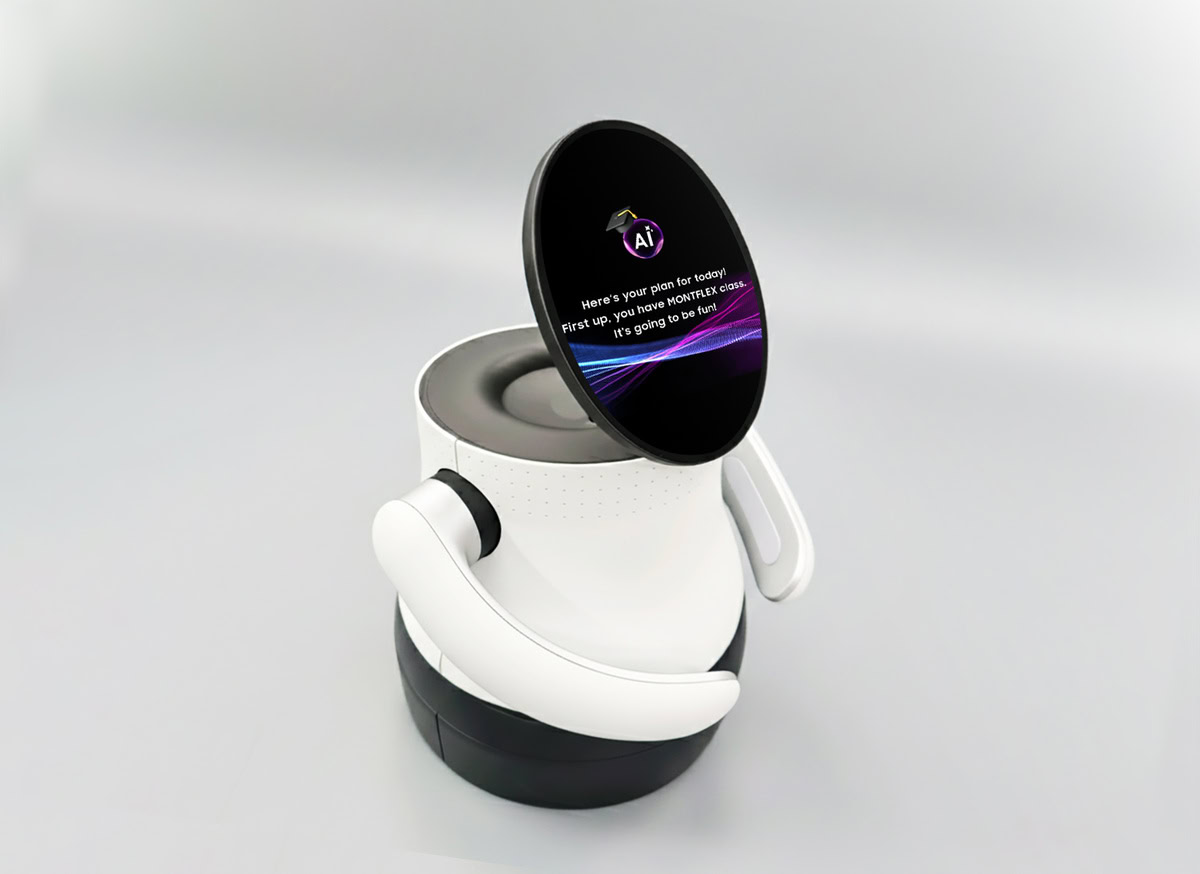
AI OLED Robot: A New Era of Interaction
One of the most intriguing concepts showcased is the "AI OLED Bot." This compact device is designed for environments such as college campuses, where efficient communication is essential. It features a 13.4-inch circular OLED screen that serves as a central hub for interaction. The flexibility of OLED technology allows for unique shapes, including curved or spherical designs, which are not feasible with traditional LCDs. This adaptability makes the bot ideal for displaying schedules, tasks, or other information in settings where verbal communication might be impractical.
AI Mood Lamps and Retro Audio Interfaces
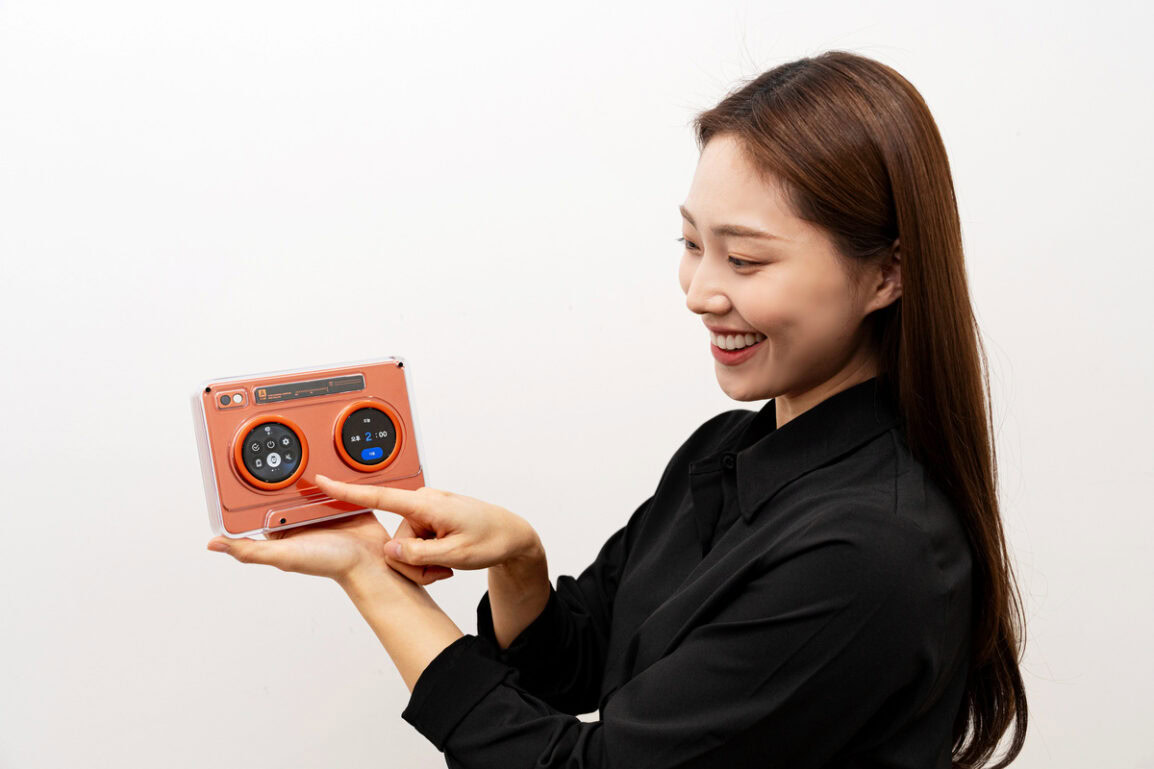
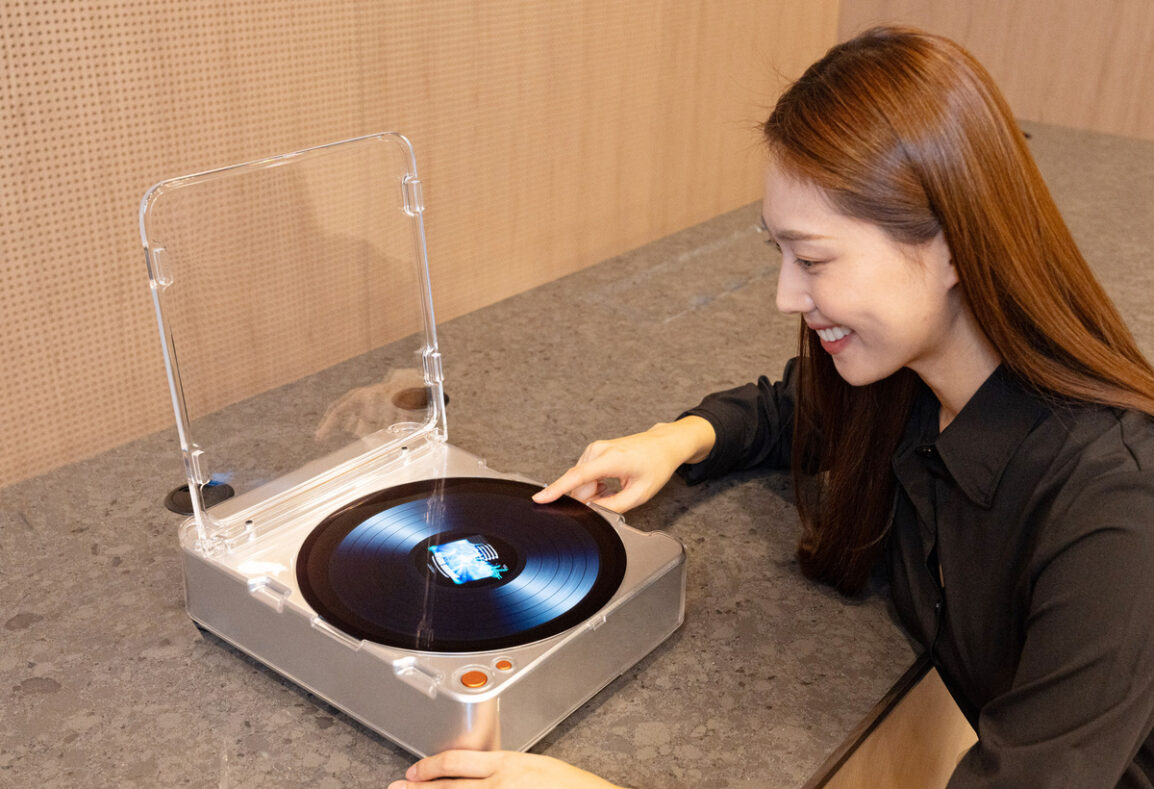
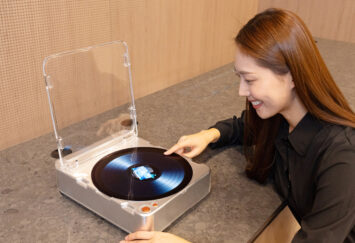
Samsung is also exploring the integration of OLED displays into everyday objects. The "AI Mood Lamps" and retro-styled audio interfaces are prototypes that use circular displays to provide visual feedback for music recommendations. These designs move away from the conventional rectangular screens found on smart speakers, offering a more aesthetically pleasing and interactive experience.
Testing Durability and Environmental Performance
Samsung has emphasized the durability of its OLED technology. To address concerns about the fragility of foldable panels, the company demonstrated a robotic arm launching basketballs at a backboard composed of 18 foldable OLED screens. This test highlights the resilience of the technology under physical stress.
In addition to physical durability, Samsung is showcasing the environmental performance of its displays. Automotive OLEDs were tested inside a refrigerator at -20°C, demonstrating that they maintain a response time of 0.2 milliseconds. This consistency is crucial for autonomous or high-speed driving in cold climates, where LCDs often experience significant delays.

Efficiency for Laptops: Introducing UT One Technology
For the laptop market, Samsung introduced "UT One" technology, which offers a panel that is 30% thinner and lighter than previous dual-glass versions. This was achieved by using a glass substrate on the bottom combined with thin organic and inorganic films on top. The reduced weight and thickness also allow for a variable refresh rate that can drop as low as 1Hz, helping to conserve battery life during AI-intensive tasks.
Advancements in Brightness and Pixel Density
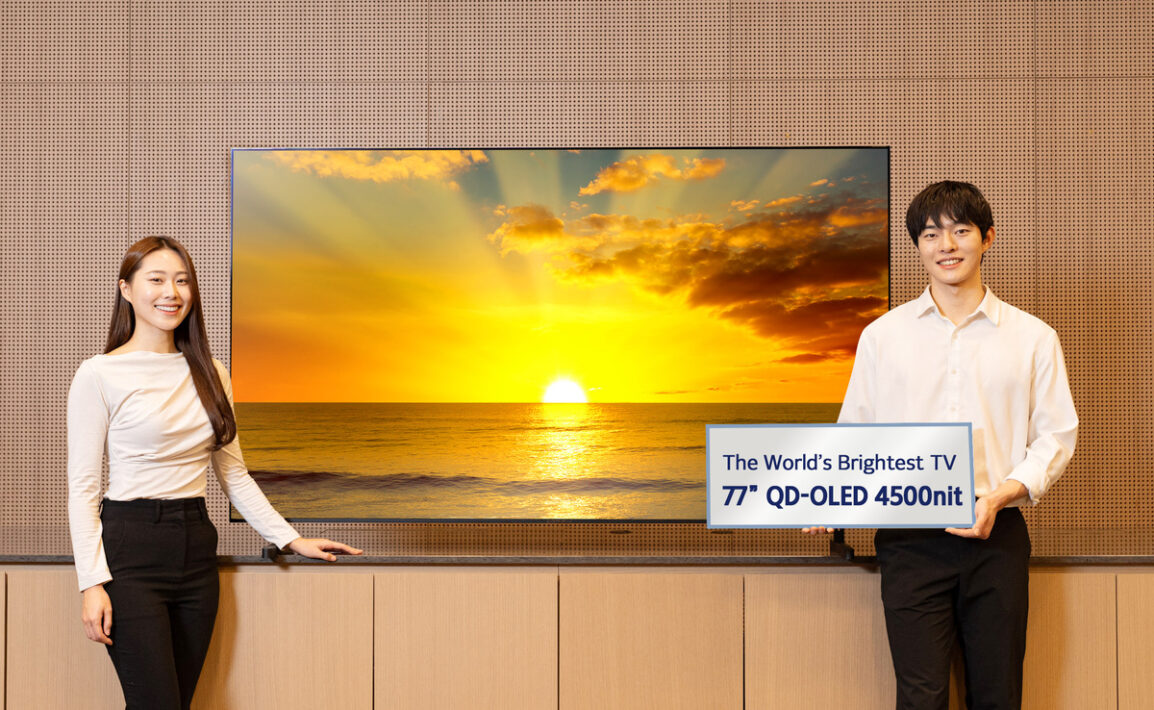
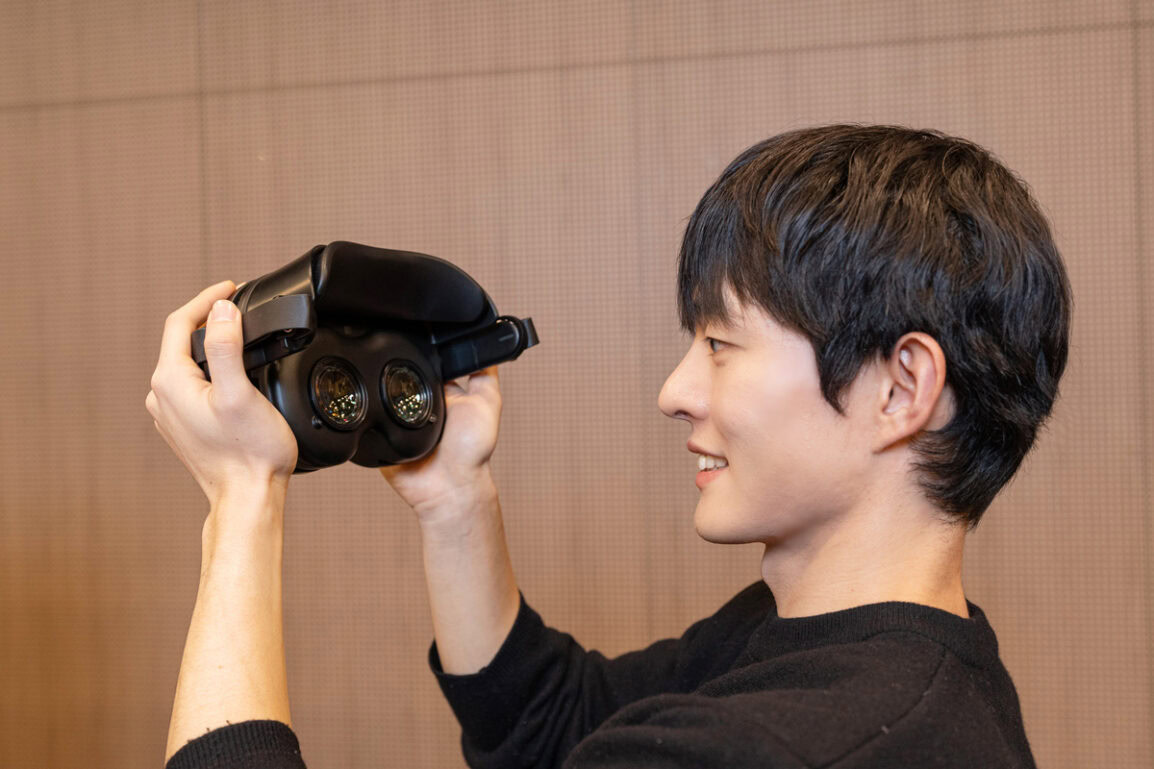
Samsung has also made notable improvements in the high-end TV and wearable tech markets. The new 2026 QD-OLED TV model can reach brightness levels of up to 4,500 nits, making it easier to view content in well-lit rooms. Additionally, the company unveiled a 1.4-inch micro-display for VR headsets. Despite its small size, this display boasts a pixel density of 5,000 PPI, allowing for an unprecedented level of detail in a compact form factor.

The Future of Display Technology
While many of these products are still in the concept stage, they illustrate how Samsung is positioning itself at the forefront of display innovation in the AI era. Factors such as resilience, consistent response speed, and malleability are becoming increasingly important as manufacturers strive to create more advanced and versatile devices.
As the demand for AI hardware continues to grow, Samsung's focus on OLED technology ensures that it remains a key player in shaping the future of interactive and intelligent devices.


