Rachel Reeves' Budget Push Leaves Drivers With Heavier Bills
The Rising Cost of Car Ownership: A New Luxury Tax on Ordinary Drivers
The introduction of Rachel Reeves’s car tax changes has led to a significant increase in the number of drivers being subjected to what critics are calling a "luxury" levy. This policy shift has affected hundreds of thousands of motorists, with many ordinary families now facing an unexpected financial burden.
According to recent data obtained through a Freedom of Information request, over 426,000 drivers were required to pay the Expensive Car Supplement in the 2024–25 financial year. This represents a 42% increase compared to just two years ago, when the figure stood at 299,553. The rise is attributed to the fact that the £40,000 car tax threshold has remained unchanged since 2017, despite years of inflation that have driven up vehicle prices.
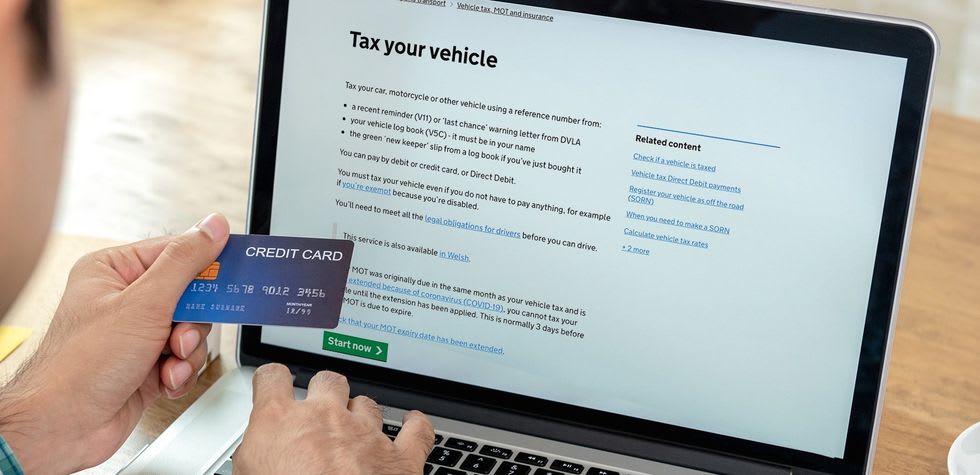
Originally designed to target premium cars, the luxury car tax now applies to a growing number of more common family vehicles. The levy, which requires drivers to pay an additional £425 per year from the second to the sixth year of ownership, adds up to £2,125 over that period. If the threshold had kept pace with inflation, it would now be nearly £54,000, making the current limit significantly outdated.
Several popular models, including the Volkswagen Golf Match, Peugeot 5008, and higher-spec versions of the Kia Sportage, are now caught by the charge. Hybrid vehicles have been particularly affected, with the number of hybrids liable for the tax more than doubling between 2022–23 and 2024–25, rising from 116,000 to 248,000.
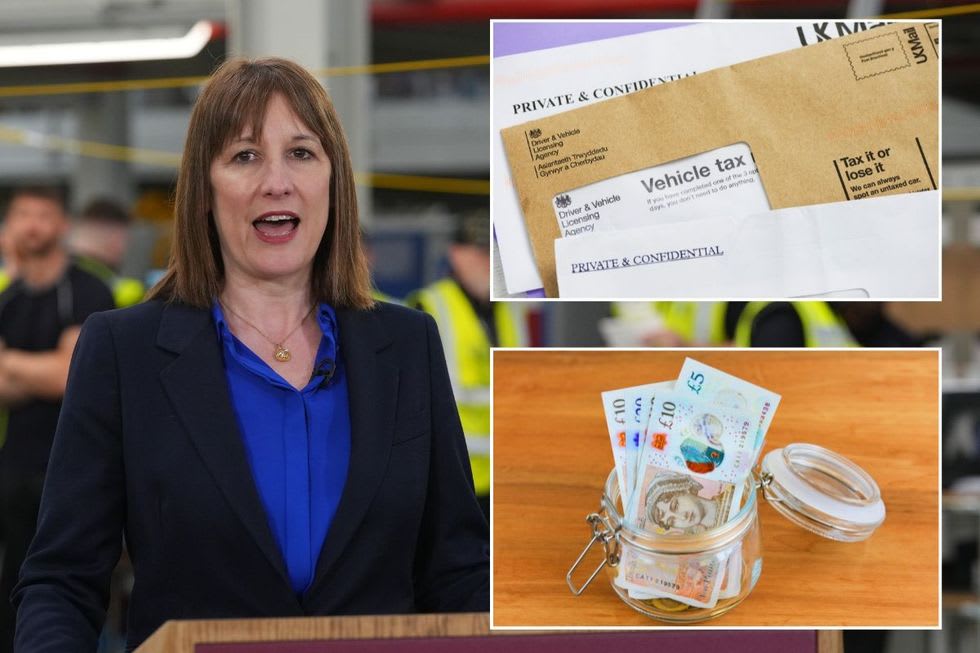
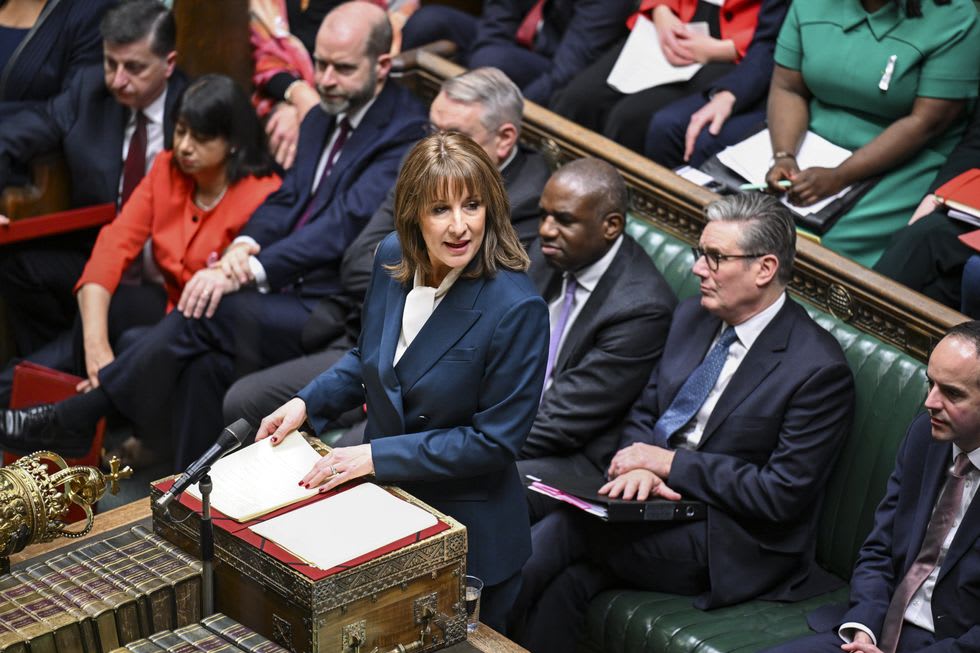
Electric vehicles (EVs) were previously exempt from the tax but were brought under its scope in April this year. In just five months, by September, around 119,000 EV buyers were affected. In last month's Budget, Ms Reeves announced changes that will raise the threshold to £50,000 for electric vehicles starting next April. However, petrol, diesel, and hybrid cars will still be subject to the existing £40,000 limit, creating what critics describe as a two-tier car tax system.
The Treasury estimated that the higher EV threshold will cost £1.2 billion in lost revenue over five years. Ministers argued the move will help boost electric vehicle uptake and could save more than a million drivers up to £440 a year.
This change is part of wider support for electric vehicles, including funding for charging infrastructure and the Electric Car Grant. However, motoring groups have strongly criticized the levy itself. Brian Macdowell, from the Alliance of British Drivers, said the tax was wrong from the start.
“It should never have been brought in in the first place. It's nothing more than the politics of envy,” he said. “For a Government to continue to put a stealth tax on buying a vehicle is nothing but an attempt to raise revenue by the back door. Taxing so-called luxury vehicles is a backward move.”
Car dealers also warned that the frozen threshold has completely undermined the tax's original purpose.
Ben Welham, from Marshall Motor Group, said: “These are vehicles that many drivers wouldn't consider expensive by today's standards. Many of these are modern, practical family cars caught in a tax bracket intended for cars with a more premium feel.”
However, the Treasury has defended the levy, arguing that owners of more expensive cars should contribute more to public services and road improvements. A Government spokesman said two-thirds of new petrol, diesel and hybrid cars still fall below the threshold. The spokesperson added that the Government is “backing drivers by freezing fuel duty” alongside the EV tax change.
Mr Macdowell called this system “outrageous”, saying there is “no justification” for passing the tax burden on to another driver.


