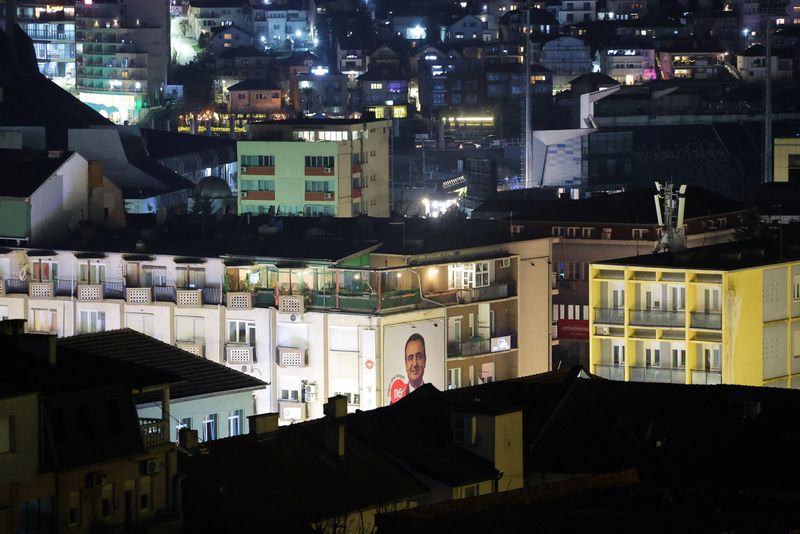
Kurti Vows Quick Government Formation Post-Election Victory in Kosovo
Political Shift in Kosovo
Kosovo Prime Minister Albin Kurti has announced his intention to form a new government swiftly following his party's victory in the recent election, which marks a potential end to the year-long political stalemate that has hindered parliamentary operations and delayed crucial international funding. This election is the second one this year after Kurti's Vetevendosje Party fell short of securing a majority in February. The failure to form a coalition led President Vjosa Osmani to dissolve parliament in November and call for an early election.
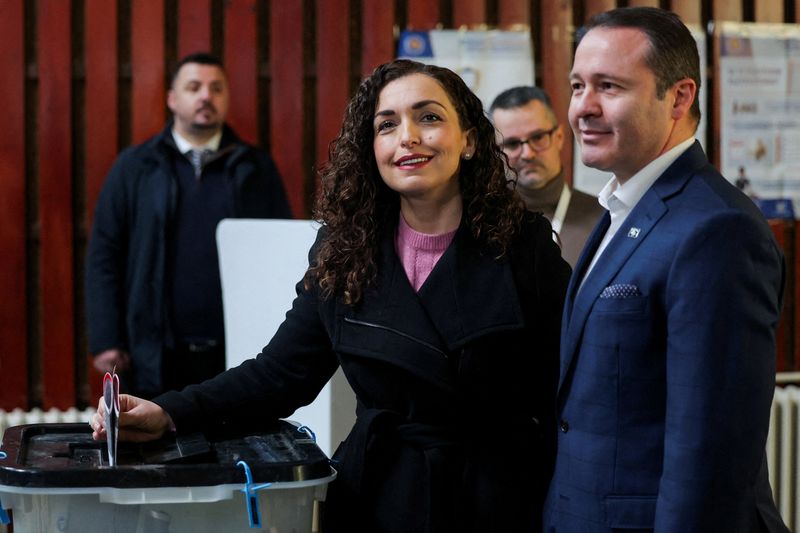
Kurti's party emerged as the leading force with 49.3% of the votes, according to the results after 99% of the votes were counted. At a press conference held at his party's headquarters, Kurti emphasized the need for swift action once the results are certified. He stated that the next step would be to constitute the parliament and then form a new government immediately.
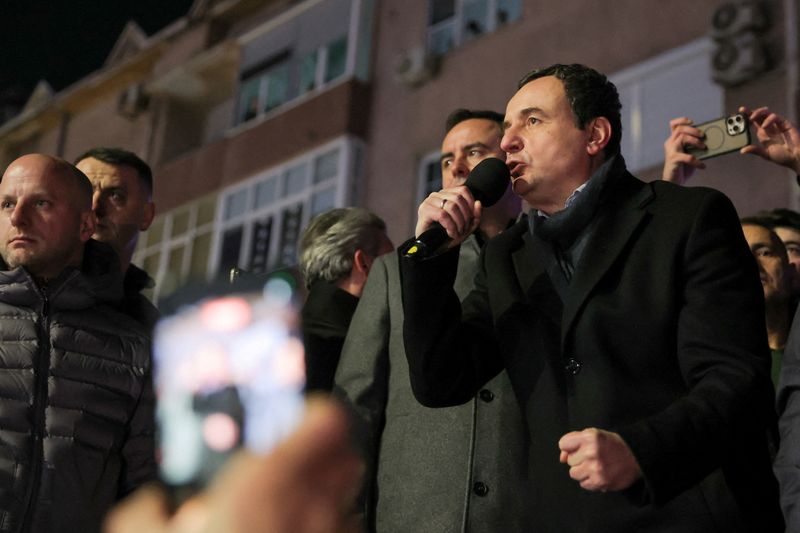
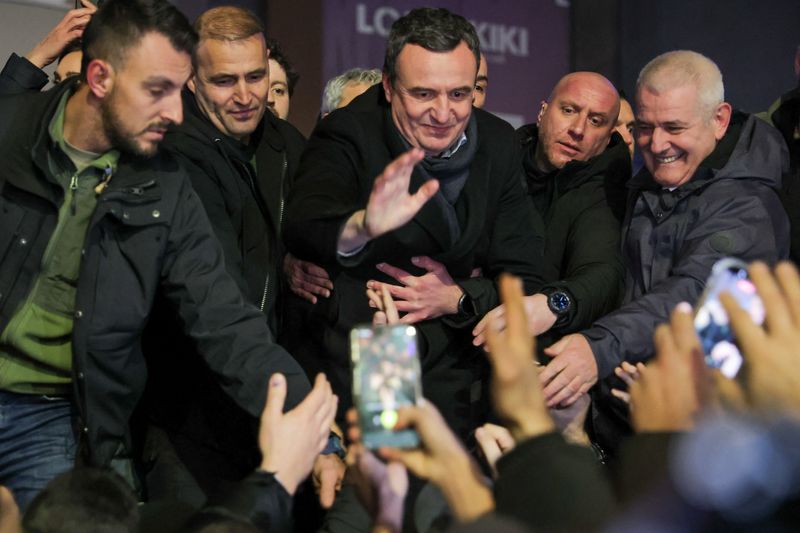
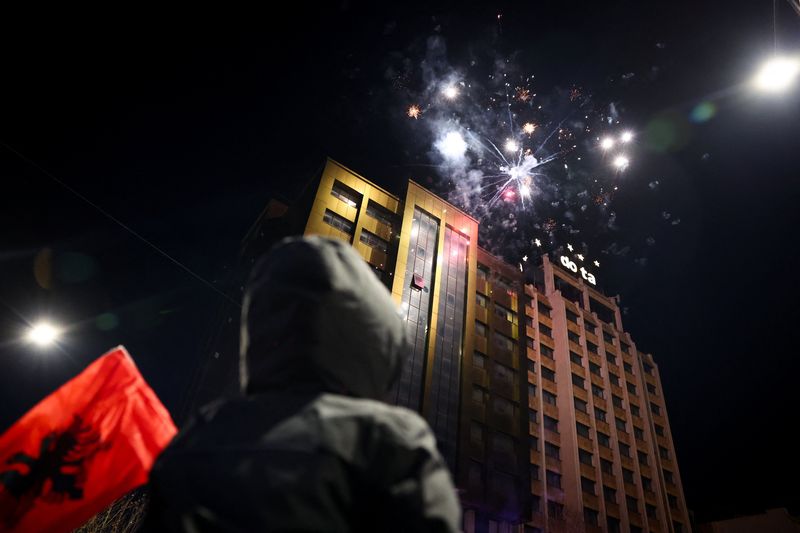
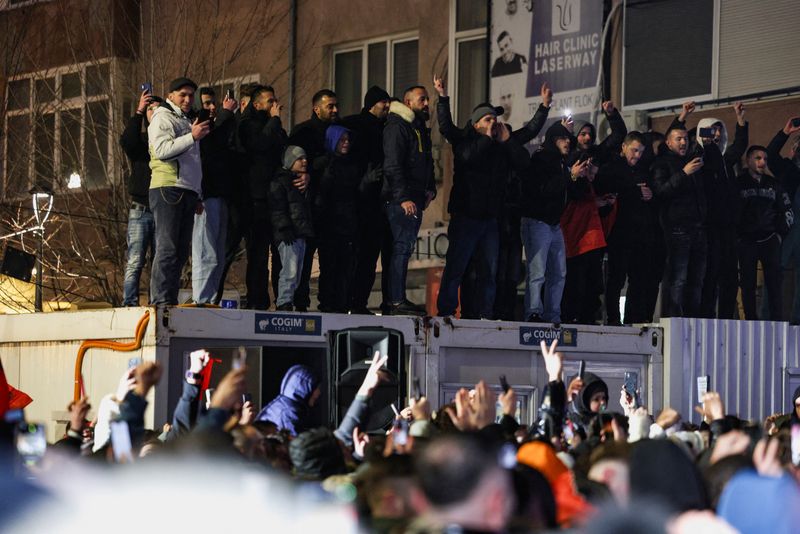
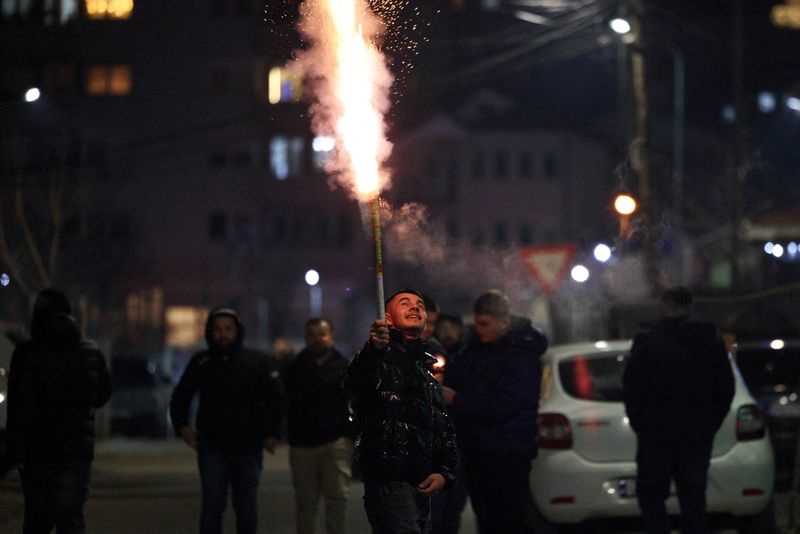
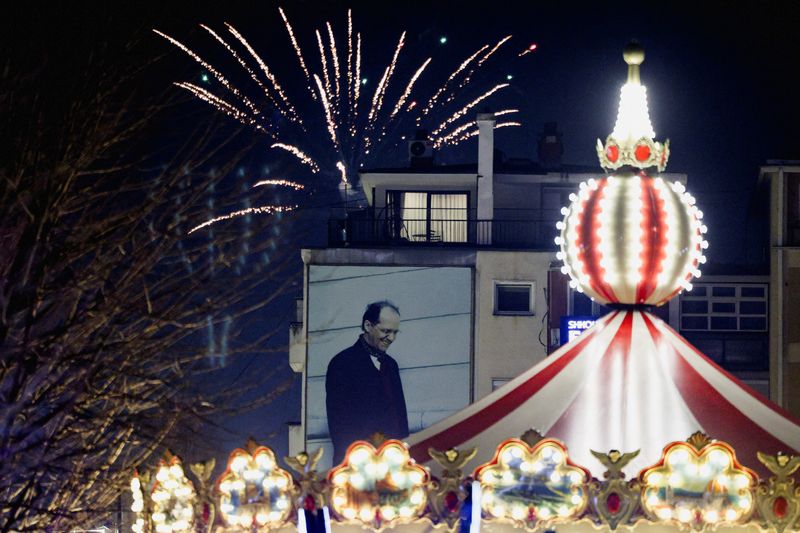
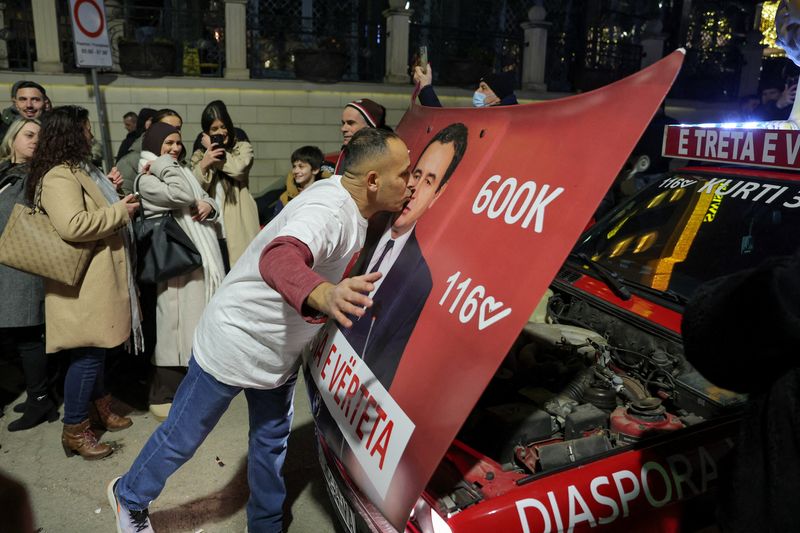
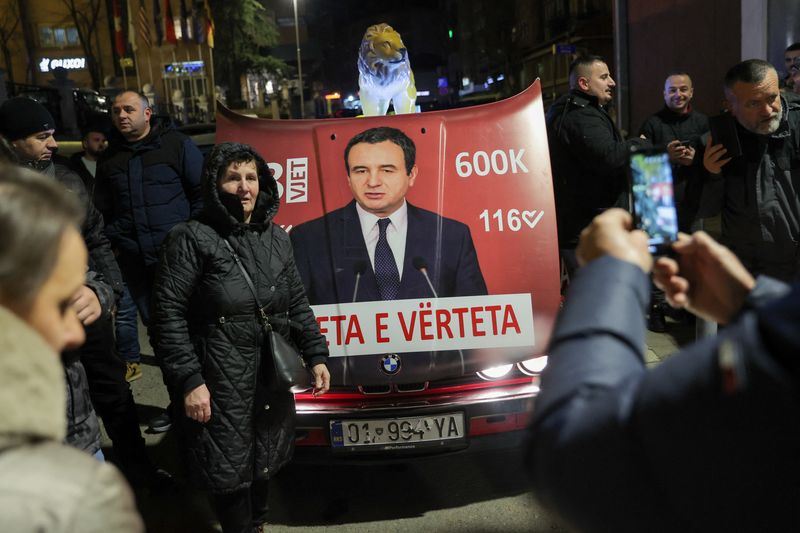
Kurti also urged the opposition to support him in passing international loan deals, which require a two-thirds majority. His supporters celebrated in the streets of Pristina, chanting his name and waving his party's flags while fireworks lit up the sky in temperatures of minus-3 Celsius.
Challenges Ahead
Despite the initial success, analysts believe it will be challenging for Kurti to form a government on his own without a coalition to secure the necessary 61 seats in the 120-seat assembly. Votes from the Kosovo diaspora in Western European countries and conditional votes have not yet been counted, making the final results uncertain.
Ismet Kryeziu of the Kosovo Democratic Institute think tank suggested that while it may be difficult for Kurti to form the government alone, it would be easier for him to govern with a small coalition. He noted that Kurti needs only a few votes from Albanian or minority parties to form the new cabinet.
The two main opposition parties, the Democratic Party and the Democratic League, secured 21% and 13.6% of the votes, respectively.
Political Crisis at a Critical Juncture
A failure to form a government and reopen parliament would prolong the crisis during a critical time. Lawmakers must elect a new president in April and ratify 1 billion euros ($1.2 billion) in loan agreements from the European Union and World Bank that are set to expire soon.
The opposition parties have refused to govern with Kurti, criticizing his handling of ties with Western allies and his approach to Kosovo's ethnically divided north, where a Serb minority resides. Kurti, however, blames the opposition for the impasse.
Campaign Promises and Voter Concerns
To attract voters, Kurti has pledged an additional month of salary per year for public sector workers, 1 billion euros per year in capital investment, and a new prosecution unit to combat organized crime. Opposition parties have also focused on improving living standards, which remains a top concern for voters.
Turnout in the election was reported at 45%, according to the results.
Historical Context and Current Challenges
Kosovo declared independence from Serbia in 2008 with U.S. backing, including a 1999 NATO bombing campaign against Serbian forces attempting to suppress an uprising by the 90% ethnic Albanian majority. Despite international support, the country of 1.6 million people continues to face challenges such as poverty, instability, and organized crime.
Kurti's tenure, which began in 2021, marked the first time a Pristina government completed a full term. Tensions with Serbia escalated in 2023, prompting the EU to impose sanctions on Kosovo. However, the bloc recently announced it would lift these measures after ethnic Serb mayors were elected in northern municipalities. These sanctions likely cost Kosovo hundreds of millions of euros.
Economic Implications
The economic implications of the political deadlock have been significant. The lack of a functioning government has delayed key international funding, affecting various sectors of the economy. With the upcoming elections and the need to secure international loans, the pressure is on Kurti to deliver on his promises and stabilize the country's financial situation.
Conclusion
As Kosovo moves forward, the focus will be on forming a stable government that can address the pressing issues facing the nation. The coming months will be critical in determining the direction of the country and its ability to navigate the complex political landscape. With the support of the electorate and the cooperation of opposition parties, there is hope for a more stable and prosperous future for Kosovo.