Hybrid cars three times more dangerous than petrol and diesel models
Rising Concerns Over Hybrid Vehicle Safety
A recent report has raised significant concerns about the safety of hybrid vehicles on UK roads, suggesting that drivers of these cars may face a threefold higher risk of dying in crashes compared to those driving petrol-powered vehicles. This alarming data has sparked urgent discussions among transport and safety organizations, who are calling for immediate action.
The findings stem from statistics provided by the Department for Transport, which have prompted experts to question whether the rapid adoption of hybrid technology is outpacing the understanding of its associated risks. Steve Gooding, director of the RAC Foundation, emphasized the need for a dedicated resource to address road safety issues related to hybrids. He called for a specialized investigation branch to explore why hybrid vehicles appear to be more dangerous on British roads.
According to the official figures, 122 people were killed in collisions involving hybrid vehicles over the past year. In contrast, 777 deaths were recorded in crashes involving petrol cars. However, these numbers alone do not tell the full story. Petrol cars currently outnumber hybrid vehicles on UK roads by nearly 20 to one, highlighting the importance of considering the ratio of vehicles when assessing risk.
Despite the smaller number of hybrid cars on the road—fewer than one million compared to many millions of petrol vehicles—the data shows that hybrids are around three times more likely to be involved in a fatal collision than petrol cars. This trend is even more concerning when looking at other vehicle types. Diesel vehicles performed slightly better than petrol cars in terms of safety, while fully electric vehicles (EVs) were found to be the safest of all, with just 23 deaths recorded last year despite almost two million EVs registered across the UK.
Experts believe the heightened fatality rates linked to hybrids are due to their unique engineering design. Hybrid cars combine a traditional petrol engine with batteries and electric motors, creating a complex dual-system vehicle. This complexity can make the cars harder to control and increase their susceptibility to fires during serious crashes.
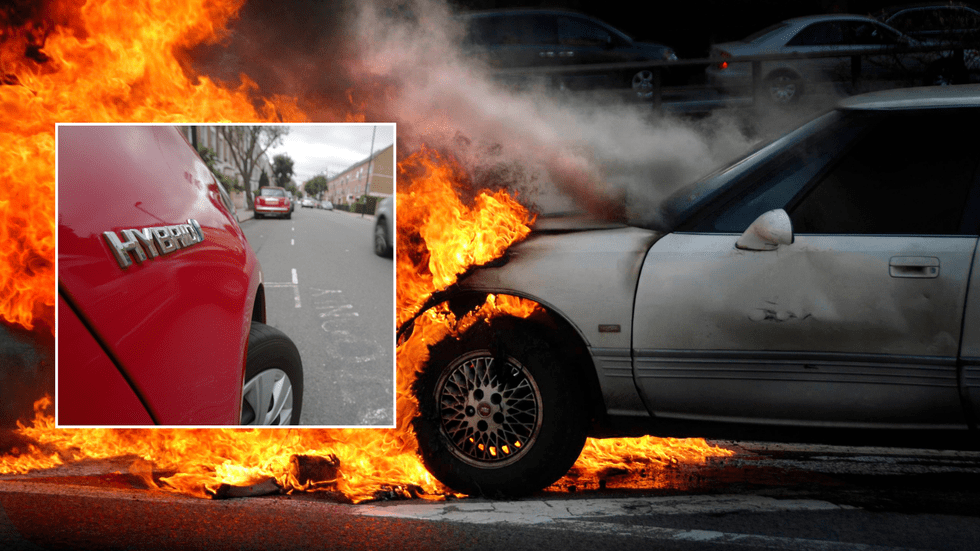
The batteries themselves pose particular dangers. They can be damaged by the extreme heat generated by combustion engines, making them more likely to ignite. Once alight, battery fires are far harder to extinguish than conventional car fires. There are also risks from the high electrical currents flowing through hybrid vehicles, which can pose serious dangers to occupants and emergency responders following a collision.
Emergency services face significant challenges when dealing with hybrid crashes. Firefighters and paramedics often require specialist training and equipment to manage the different nature of hybrid vehicle fires.
There is also the added risk of toxic gases being released if batteries are damaged, further complicating rescue efforts. Nicholas Lyes from the road safety charity IAM RoadSmart highlighted the technical difficulties posed by hybrid vehicles. He explained that plug-in hybrids are often heavier and more complex due to their dual power sources. The dual systems mean these cars require two cooling systems, along with more intricate electronics and wiring.
Insurance data appears to reinforce these concerns. A company car insurer, Tusker, revealed that hybrids in its 30,000-vehicle fleet experienced fires at nearly three times the rate of other vehicles, recording 3,475 fires per 100,000 cars.