Hybrid Cars Linked to Triple the Death Risk
Hybrid Vehicles and Road Safety: A Closer Look
Recent analysis has raised concerns about the safety of hybrid vehicles compared to traditional petrol cars. According to Department for Transport (DfT) data, motorists are three times more likely to die in a collision involving a hybrid car than in one involving a petrol vehicle. The figures show that 122 people died in crashes involving hybrid cars last year, while 777 fatalities were recorded in petrol car accidents. This discrepancy is partly due to the fact that petrol vehicles outnumber hybrids by over 20 to one.
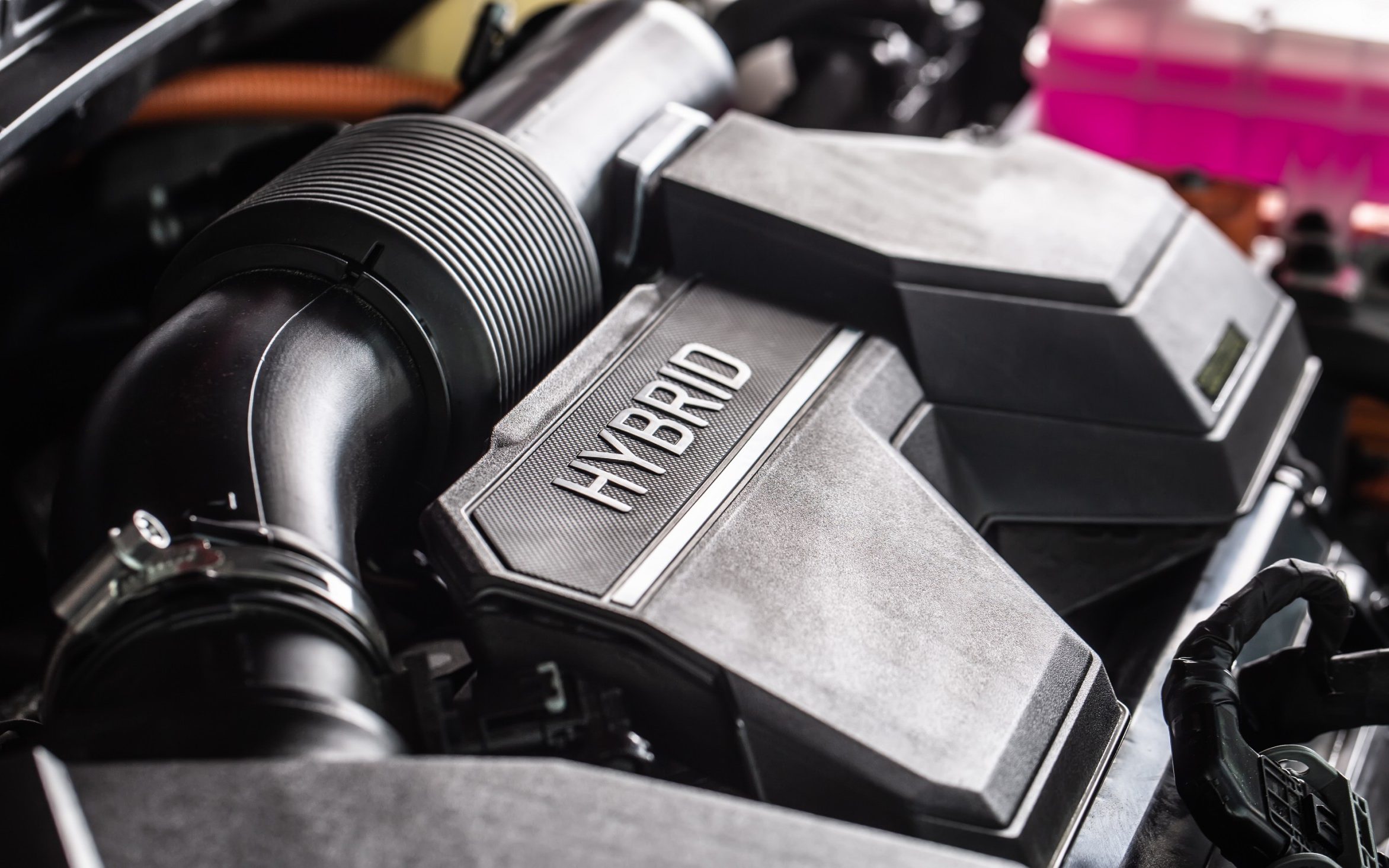
Experts suggest that hybrid vehicles are generally more complex than their petrol or diesel counterparts. Nicholas Lyes from IAM RoadSmart, a road safety charity, explains that plug-in hybrids are often heavier and more intricate because they combine a traditional combustion engine with a battery system. This added complexity may contribute to the increased risk associated with these vehicles.
Fire Risk and Safety Concerns
Another significant concern is the fire risk posed by hybrid vehicles. A study conducted by the Swedish Civil Contingencies Agency found that hybrids had the highest fire risk, with 3,475 conflagrations per 100,000 vehicles. This is significantly higher than the 1,530 fires per 100,000 for petrol or diesel cars and just 25 for electric vehicles.
Official DfT guidance warns that only trained fire service personnel should handle hybrid vehicle fires. It states that battery fires can produce jet-like flames and release toxic chemicals, posing serious health risks. Additionally, a normal vehicle fire could escalate into a battery fire if left unchecked, making it crucial to defer to professional firefighters in such cases.
Calls for Further Investigation
The RAC Foundation, a transport research charity, has called for a dedicated investigation branch to analyze the data surrounding hybrid vehicle safety. Steve Gooding, the foundation’s director, emphasized the need for a specialist resource to address road safety risks effectively.
Despite these concerns, electric vehicles (EVs) appear to be the safest option. Statistics indicate that Britain’s two million EVs were involved in the fewest fatal incidents last year, with only 23 reported cases.
Policy Changes and Market Trends
New road pricing plans will introduce a 1.5p per mile charge for hybrid vehicles starting in 2028, in addition to fuel duty. Plug-in hybrid electric vehicles currently make up one in every ten new cars sold in the UK, according to the Society of Motor Manufacturers and Traders. So far this year, 208,000 have been purchased, marking a 34% increase compared to 2024.
Umesh Samani from the Independent Motor Dealers Association has suggested that these tax changes could lead to hybrid vehicles "fading away" from the market. However, the DfT has stated that all vehicles legally sold in the UK and EU undergo rigorous safety testing and meet stringent regulations. The department emphasized that multiple safety systems are designed into hybrid and electric vehicles to ensure road safety.
Conclusion
As hybrid vehicles continue to gain popularity, the findings from recent studies highlight the need for further research and policy considerations. While they offer environmental benefits, the safety concerns associated with their complexity and fire risk cannot be ignored. With ongoing discussions about road pricing and vehicle safety, it remains to be seen how these factors will shape the future of hybrid and electric vehicles on UK roads.


