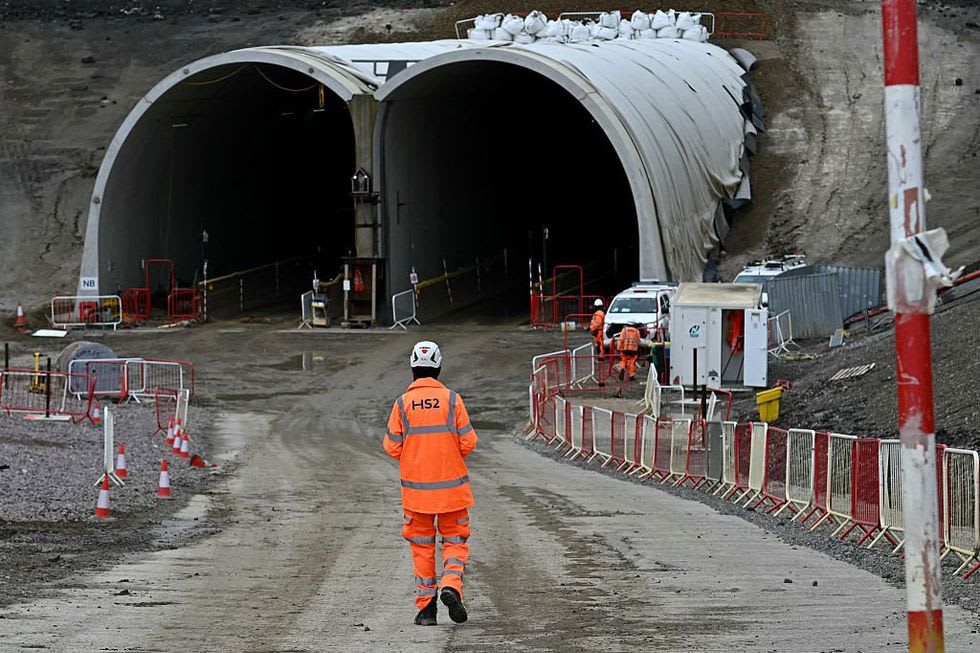
HS2 earns £14m yearly from renting homes on abandoned tracks
HS2’s Rental Income and the Future of Unused Properties
HS2, the high-speed rail project connecting London to Birmingham and beyond, has been generating over £14 million annually through the rental of hundreds of homes acquired along its route. These properties were originally purchased for the project, but many are now in the hands of tenants despite the cancellation or curtailment of parts of the railway.
According to recent data, 602 out of the 782 residential properties voluntarily bought by HS2 Ltd since the scheme was approved in 2012 are currently occupied by renters. This includes a significant number of homes located on sections of the railway that are no longer being developed. The northern legs of HS2, which were meant to extend the line from Birmingham to Manchester and Leeds, were scrapped by former Prime Minister Rishi Sunak in October 2023. However, the properties purchased along these routes remain in HS2’s rental portfolio.
Rental Income Across Different Sections
The data reveals that between Birmingham and Crewe, 121 of the 122 homes purchased by HS2 are now rented out. On the first phase of the line between London and Birmingham, tenants pay an average monthly rent of more than £2,100. In contrast, the section originally planned to run towards Manchester sees lower rental prices, with an average of around £1,733 per month.
Across its entire property portfolio, HS2 Ltd collects approximately £14.1 million in annual rental income. While this amount may seem substantial, it is a small fraction of the total cost of the project, which has ballooned significantly since its approval.
Escalating Costs and Public Concerns
When the project was first approved in 2012, the estimated cost of building the full network stood at £33 billion. By 2015, this figure had risen to £57.5 billion as construction and land acquisition costs increased. Today, the project is forecast to cost taxpayers £81 billion at 2019 prices, surpassing £100 billion when inflation is considered.
Joanna Marchong, a researcher at the Adam Smith Institute, raised concerns about how the rental income is being used. “It is unclear whether this money is going back to the Exchequer or whether it is being used to reduce the cost of the project,” she said. She added that HS2 should explain why it is continuing to hold and rent properties on cancelled sections of the line and whether this income is offsetting taxpayer funding.
Penny Gaines, chairman of Stop HS2, argued that the rental revenue is insignificant compared to the scale of spending on the railway. “£14 million from rent might sound like a lot of money, but it is dwarfed by the ongoing cost of HS2,” she said. She also called for properties acquired for HS2 but no longer required to be offered back to their former owners, suggesting that homeowners should be given the opportunity to repurchase properties at the price HS2 originally paid for them.
HS2’s Position on Rental Income
HS2 Ltd stated that rental income from its property holdings ultimately benefits taxpayers. A spokesman for the company said: “Rent charged on properties acquired for HS2 is income for the taxpayer, ultimately offsetting costs incurred by the project.”
The railway’s route through rural areas meant that HS2 had acquired a large number of detached homes with higher market rental values. HS2 Ltd has previously stated that it rents out properties not immediately required for construction to reduce the ongoing cost of holding empty homes.
Ongoing Challenges and Future Plans
The railway was first proposed over thirteen years ago and is now expected to open no earlier than 2033. Transport Secretary Heidi Alexander has previously described the scheme as an “appalling mess.” In November, HS2 Ltd announced plans to sell surplus land around stations and the main depot along the 140-mile London to Birmingham route.
The company said land sales would begin once plots were no longer required for construction or operational purposes. A Department for Transport spokesman said the disposal of surplus assets would be carried out “in a sensitive and sensible way” to secure the best possible outcome for taxpayers.