Household Names Reject Royal Honours in New Year List
The Honours System and the Refusals of Notable Figures
The honours system in the United Kingdom is a long-standing tradition that recognises individuals for their outstanding contributions to society. These accolades, such as CBEs, MBEs, OBEs, and knighthoods or dameships, are awarded twice a year—on New Year’s Day and on the monarch’s birthday. While many recipients embrace these titles with pride, there have been numerous instances where notable figures have chosen to decline them. This article explores some of the most well-known refusals and the reasons behind them.
The Process of Awarding Honours
Before an individual is officially nominated for an honour, they are contacted to confirm their willingness to accept it. This step helps avoid any last-minute surprises or public embarrassment. However, despite this process, some people still choose to refuse the recognition. In 2012, the Cabinet Office revealed that 277 people had declined honours between 1951 and 1999. More recently, in 2020, 68 out of 2,504 people offered an honour declined it, which accounted for about 2.7% of all nominations.
High-Profile Refusals
Several high-profile individuals have publicly refused honours, often citing personal principles, political beliefs, or a desire to remain independent from the establishment.
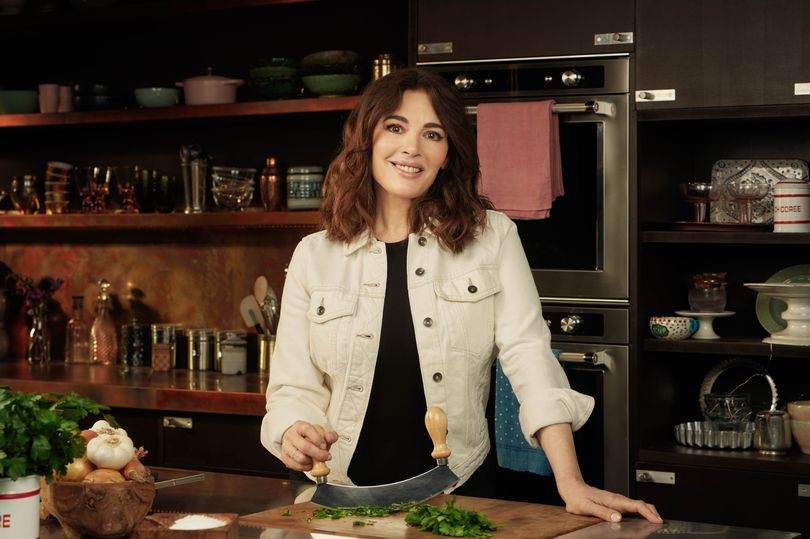
- Nigella Lawson: The celebrity chef turned down an OBE in 2001, stating that she did not feel her work was worthy of such recognition.
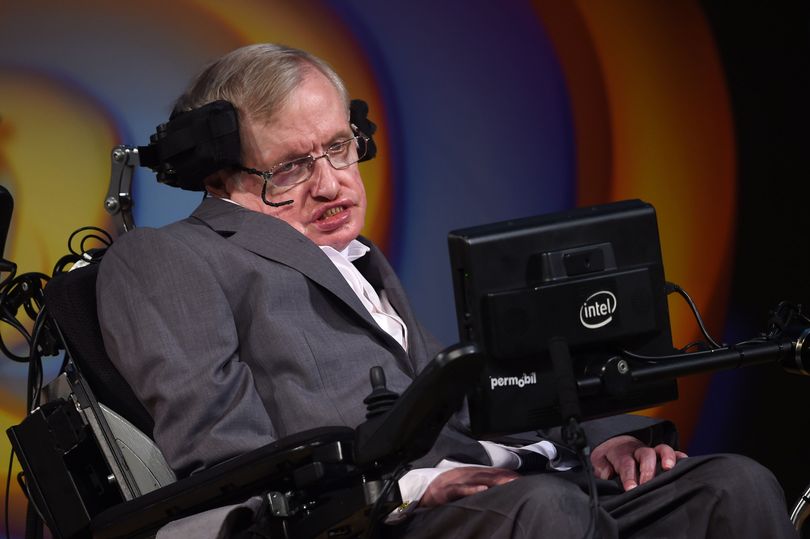
- Stephen Hawking: The renowned physicist declined a knighthood in the late 1990s, reportedly due to concerns over government funding for science.
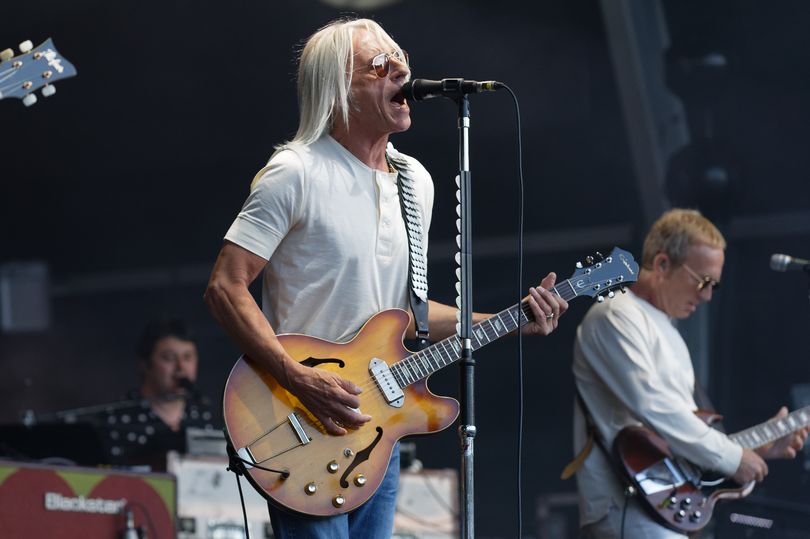
- Paul Weller: The musician rejected his CBE in 2006, with his spokesperson stating it wasn’t “really for him.”
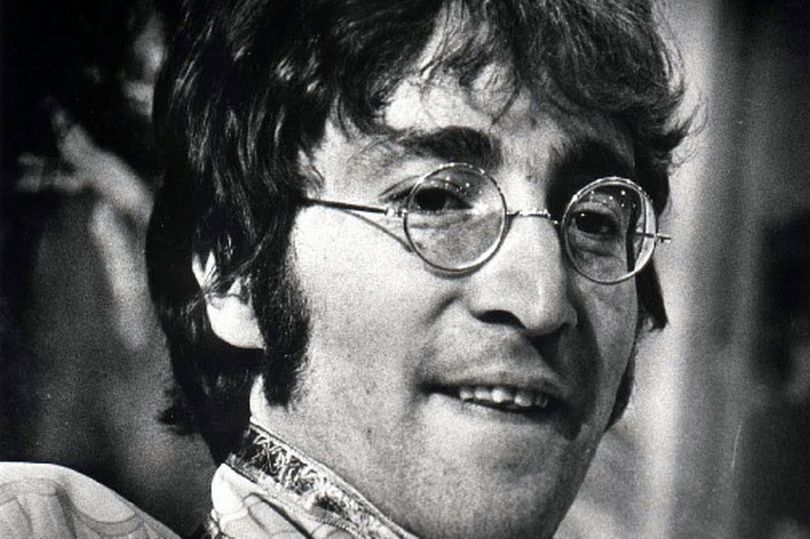
- John Lennon: Initially accepted an MBE but later returned it in 1969 as a protest against British foreign policies.
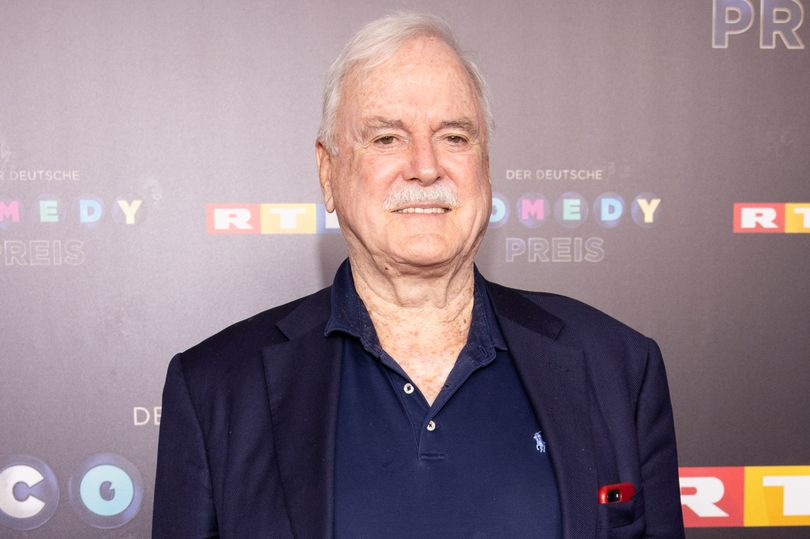
- John Cleese: The Monty Python star rejected a CBE in 1996, calling it “silly,” and declined a peerage in 1999 due to the commitment it would require.
Political and Social Reasons
Some refusals were rooted in political or social beliefs. For example:
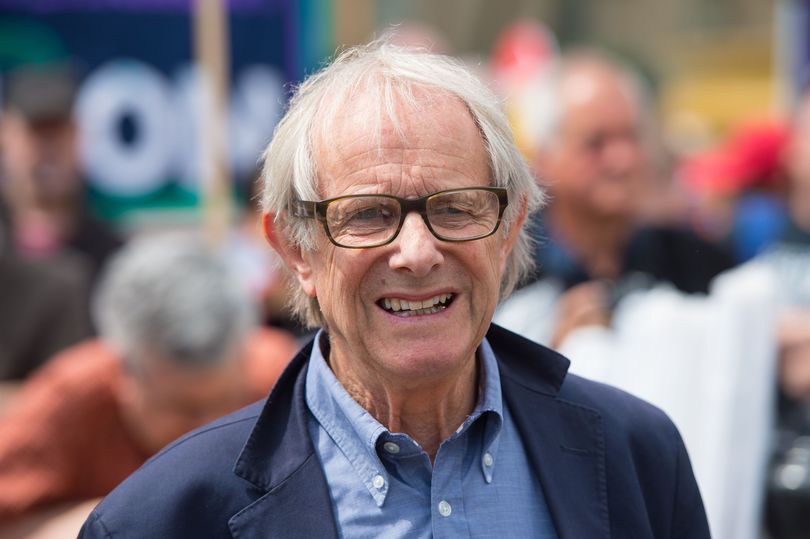
- Ken Loach: The film director turned down an OBE in 1977, criticising the monarchy and the British Empire.
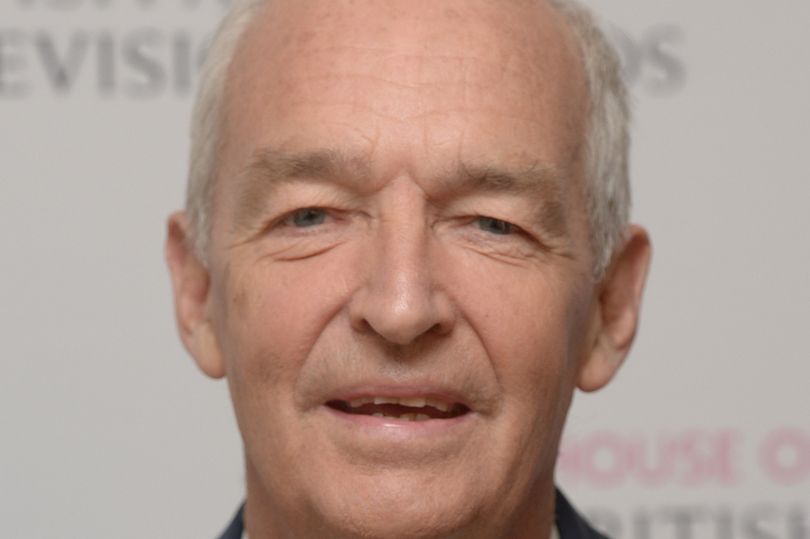
- Jon Snow: The journalist declined an OBE in 2000 and later made a documentary exposing the inner workings of the honours system.
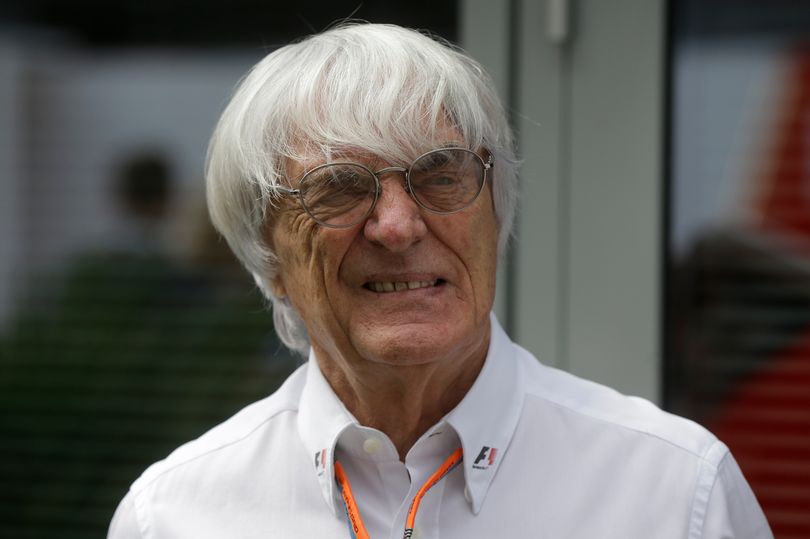
- Bernie Ecclestone: The former Formula One boss turned down an honour, feeling he had not done enough to deserve it.
Cultural and Artistic Perspectives
Many artists and writers have also refused honours, often citing a desire to remain independent from the establishment.
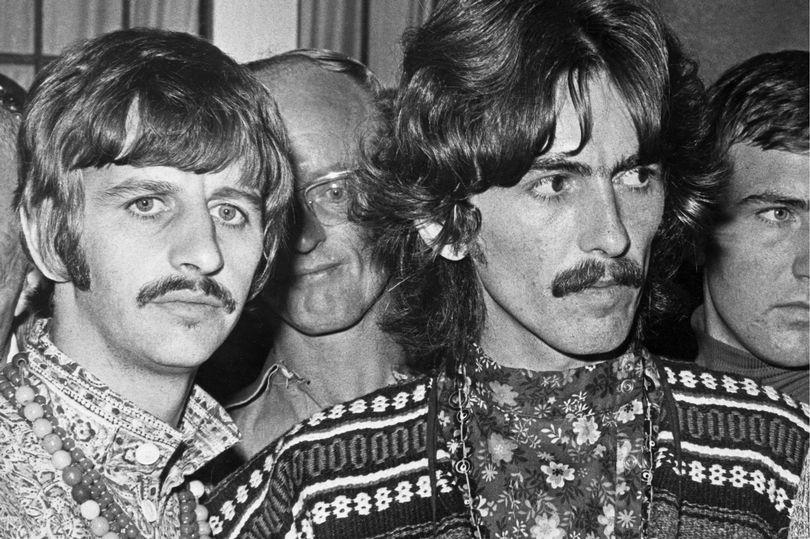
- George Harrison: The former Beatle turned down an OBE in 2000, feeling it was an insult that his bandmate Paul McCartney had received a knighthood earlier.
- LS Lowry: The painter is believed to have refused five honours, including a knighthood, due to his private nature.
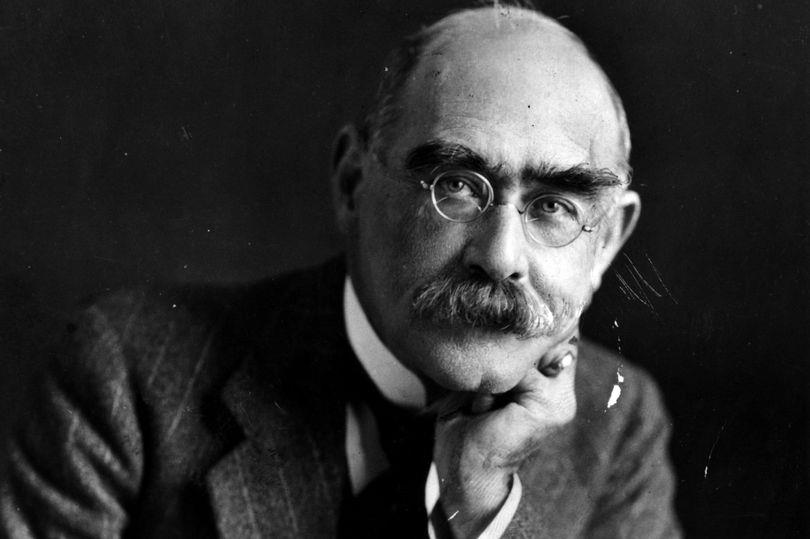
- Rudyard Kipling: The writer declined a knighthood in 1899 and again in 1903, believing it would hinder his work.
Criticisms of the Honours System
Some individuals have taken issue with the very concept of the honours system. For instance:
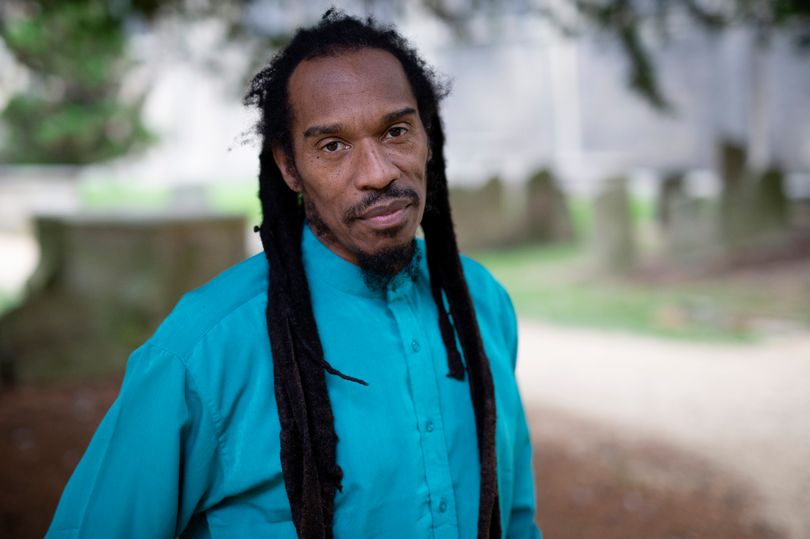
- Benjamin Zephaniah: The poet rejected an OBE in 2003, protesting against the British Empire and its legacy.
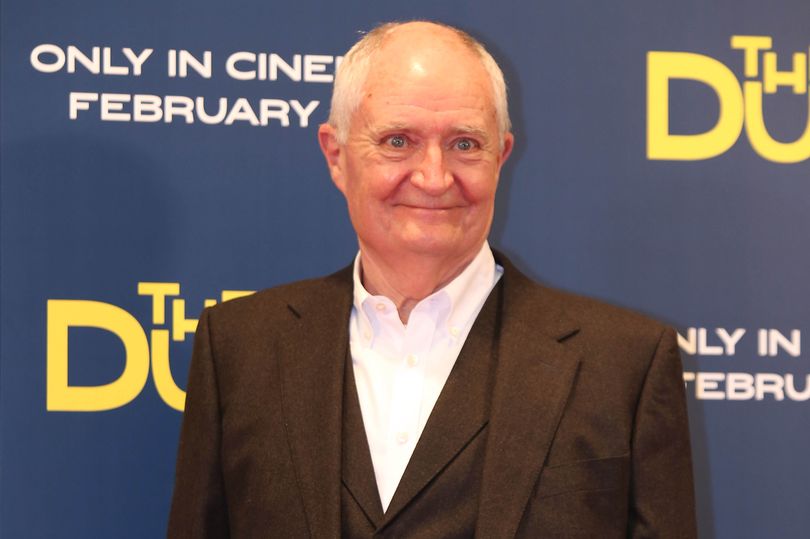
- Jim Broadbent: The actor declined an OBE in 2002, arguing that actors should not be part of the Establishment.
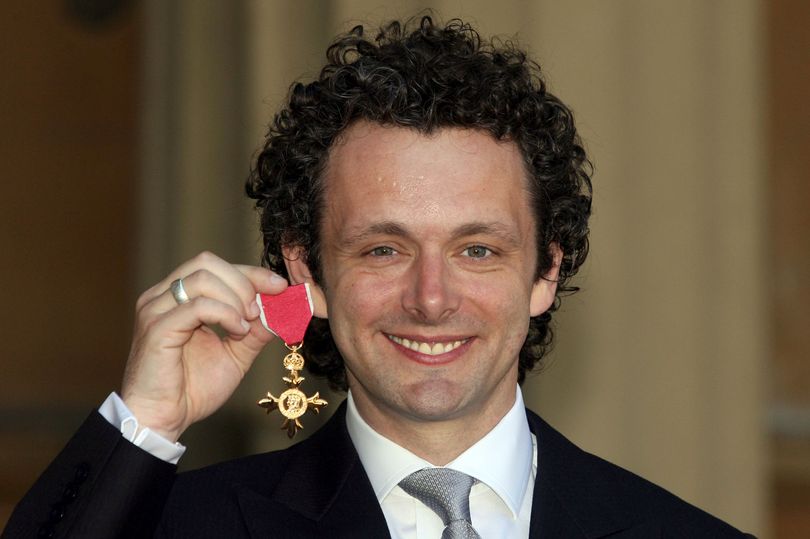
- Michael Sheen: After receiving an OBE in 2009, he returned it in 2017 after researching the history of England and Wales.
Personal and Professional Reasons
In some cases, the decision to refuse an honour was based on personal or professional considerations.
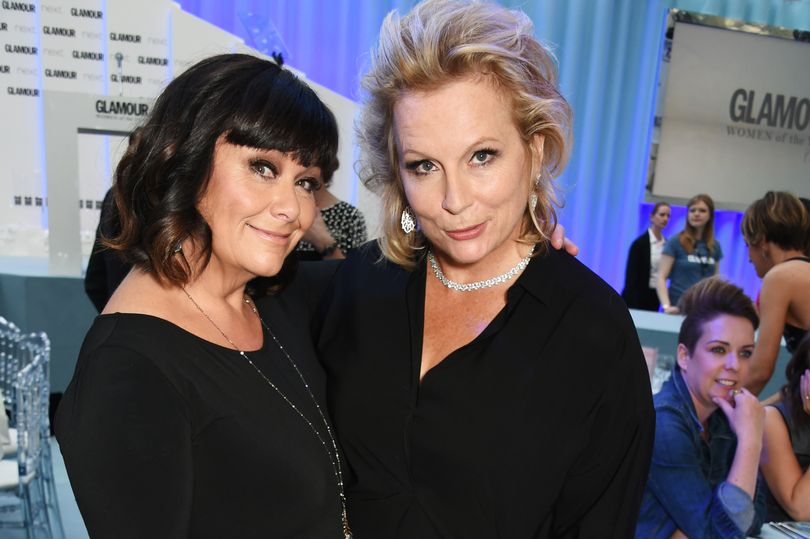
- Dawn French and Jennifer Saunders: The comedy duo turned down OBEs in 2001, feeling they were not worthy of the recognition.
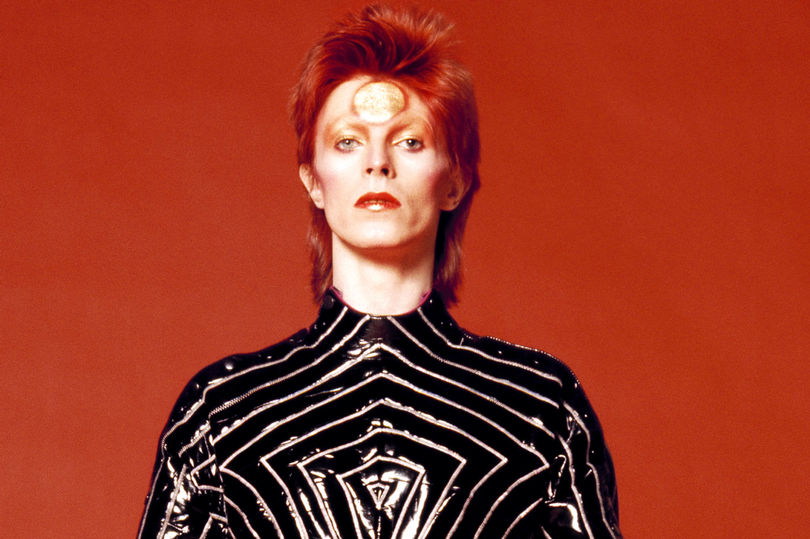
- David Bowie: The musician refused to join the ranks of musical knights, stating that the title was not what he worked for.
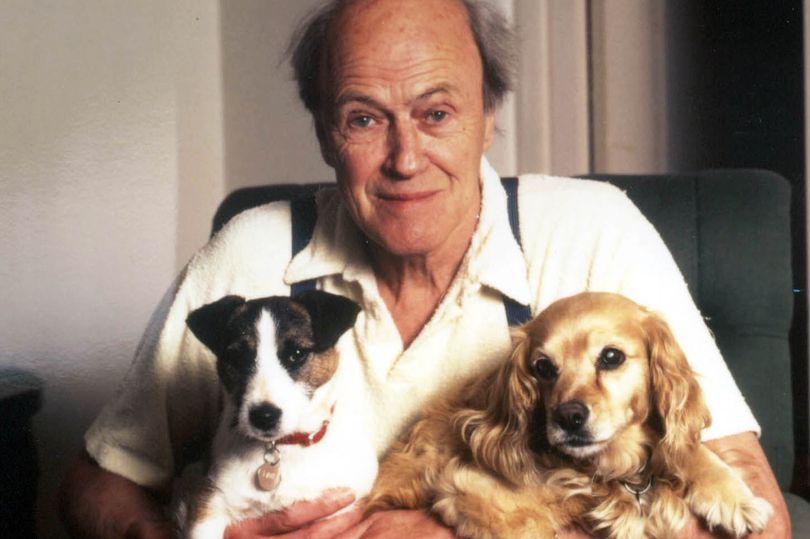
- Roald Dahl: The author turned down a knighthood in 1986, though the reason was never disclosed.
Legacy and Impact
While many of those who have refused honours have done so quietly, others have spoken out about their decisions. Their actions have sparked debates about the relevance and fairness of the honours system. Some argue that it is a way to celebrate excellence, while others see it as an outdated institution that reinforces class divisions.