State Department Ends 'Blank Checks' for International Bureaucracies
The U.S. Rejects the Outdated Model of Multilateralism
The U.S. State Department recently announced that it is rejecting what it calls the outdated model of multilateralism, stating that the current system has made American taxpayers "the world's underwriter for a sprawling architecture of global governance." This declaration comes as part of a broader effort by the administration to cut spending on what it views as wasteful or ineffective international organizations.
In a memo posted on the State Department’s Substack, Secretary of State Marco Rubio outlined the administration’s stance, emphasizing that the U.S. is no longer willing to provide "blank checks" to international bureaucracies. He pointed to President Donald Trump’s recent order to withdraw from 66 international organizations as evidence that this era is coming to an end.
This move aligns with the broader "America First" agenda, which seeks to reduce government spending and prioritize U.S. interests above those of global institutions. According to Rubio, many of these organizations have become inefficient and are often used for politicized activism rather than meaningful action.
A Critique of International Organizations
Rubio was particularly critical of the current state of international organizations, stating that they are "overrun with hundreds of opaque international organizations, many with overlapping mandates, duplicative actions, ineffective outputs, and poor financial and ethical governance." He argued that even those that once served useful purposes have now become bureaucratic hurdles that obstruct progress.
He added that continuing to support these organizations would be an "abandonment of our national duty." However, he clarified that this does not mean the U.S. is retreating from global leadership. Instead, the administration sees this as a rejection of an outdated model of multilateralism in favor of one that better serves U.S. interests.

Trump's Sweeping Order to Withdraw from Global Organizations
On Wednesday, President Trump signed a presidential memorandum directing the U.S. to withdraw from 66 international organizations. This decision was based on a review conducted by Secretary of State Marco Rubio and the U.S. representative to the United Nations. The review aimed to identify all international intergovernmental organizations where the U.S. provides funding or support, as well as treaties and conventions that may be contrary to U.S. interests.
The memo was issued just under a year after a February 4, 2025, order that instructed Rubio to conduct this comprehensive review. The findings were then presented to the president, who consulted with his Cabinet before making the final decision to withdraw from the listed groups.
In a January 2026 memorandum, Trump stated that the findings showed it was "contrary to the interests of the U.S. to remain a member of, participate in, or otherwise provide support" to the identified organizations. This includes both U.N.-affiliated groups and non-U.N. entities.
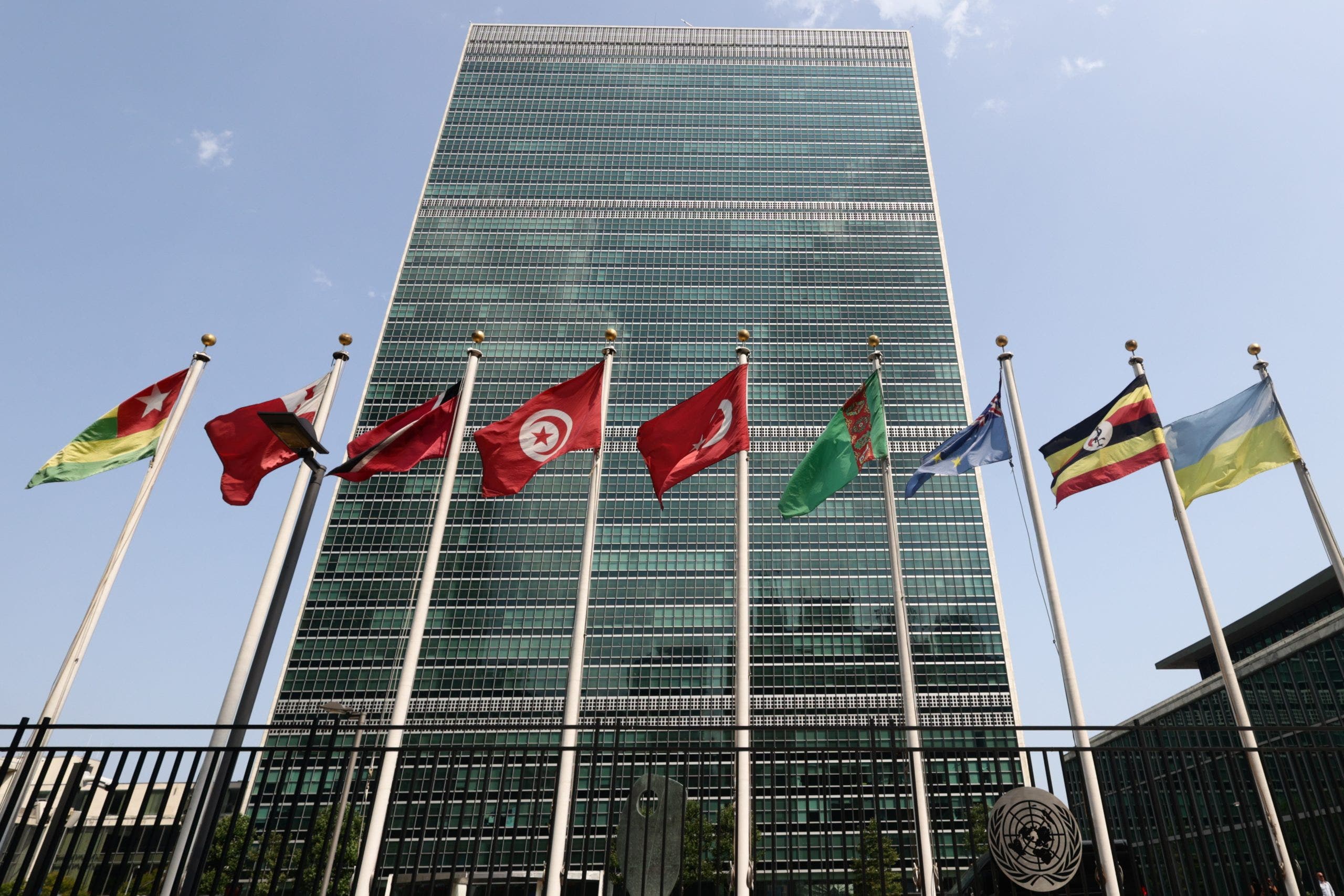
Key Organizations Affected by the Withdrawal
Among the U.N.-affiliated organizations affected by the withdrawal are the U.N. Framework Convention on Climate Change, the U.N. Entity for Gender Equality and the Empowerment of Women, and the U.N. Democracy Fund. Non-U.N. groups such as the International Solar Alliance, the Global Forum on Migration and Development, and others are also included in the list.
These withdrawals reflect the administration’s belief that many of these organizations are not only inefficient but also counterproductive to U.S. interests. By reducing participation and funding, the administration aims to redirect resources toward domestic priorities and more effective global initiatives.

Conclusion: A Shift in U.S. Foreign Policy
The U.S. decision to withdraw from 66 international organizations marks a significant shift in foreign policy. It signals a move away from the traditional model of multilateralism and toward a more self-interested approach. While some argue that this could weaken global cooperation, the administration maintains that it is necessary to ensure that U.S. resources are used effectively and in line with national interests.
As the U.S. continues to reevaluate its role in global affairs, the impact of this decision will likely be felt across various international platforms. Whether this approach will lead to greater efficiency or increased isolation remains to be seen.


