Sleep Breakthrough in Jellyfish Challenges Scientific Beliefs
The Surprising Sleep Habits of Jellyfish and Sea Anemones
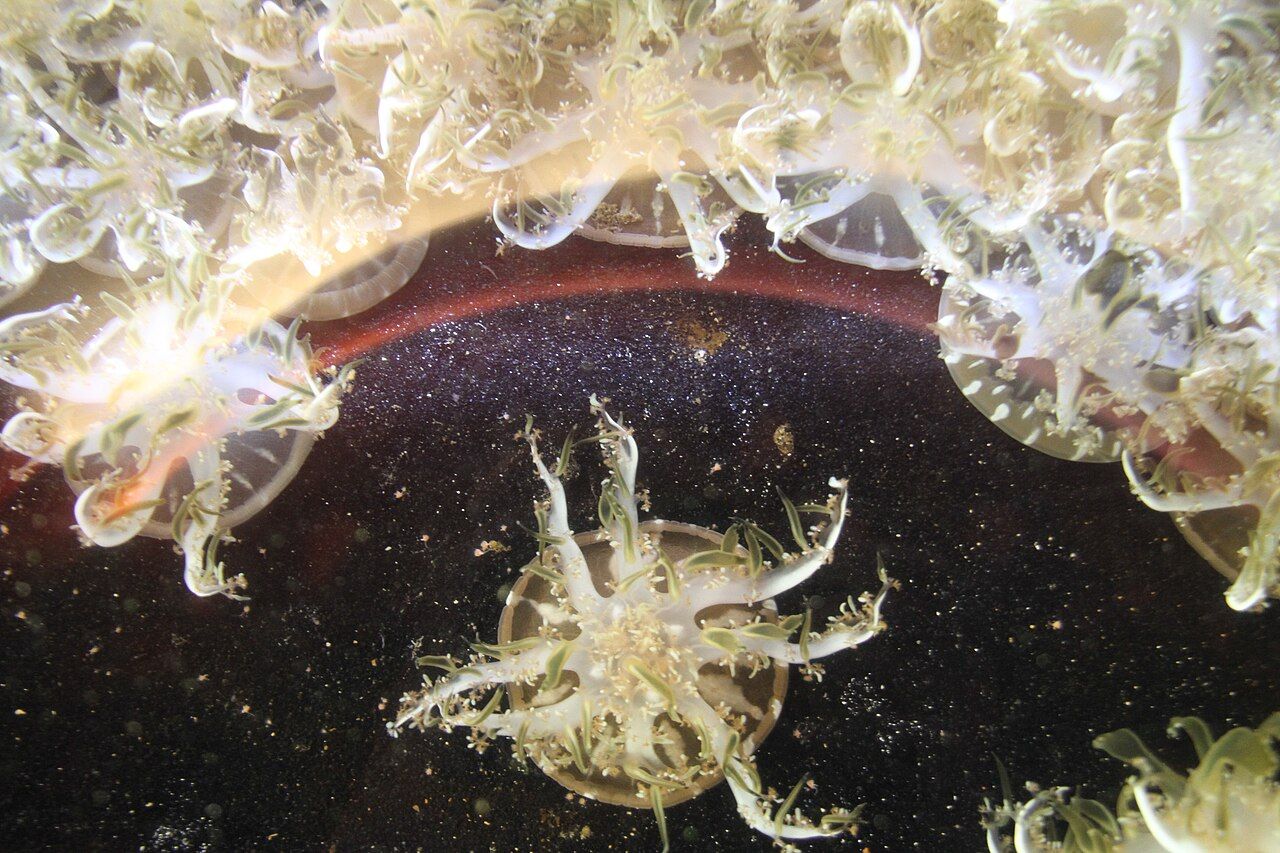
Jellyfish and sea anemones, despite lacking a brain, experience deep rest phases that meet all the criteria for sleep. This groundbreaking discovery has provided valuable insights into a state that occupies nearly a third of our lives. The research, published in Nature Communications, challenges the traditional timeline of sleep evolution, suggesting that the origins of sleep are much older than previously thought.
The study reveals that sleep may have emerged long before the development of a centralized nervous system. By observing these animals, researchers have traced the roots of a universal behavior. They analyzed cycles of activity and rest using infrared lights or controlled disturbances to understand the mechanisms behind this phenomenon.
Sleep as a Cellular Necessity
Sleep in these invertebrates can be defined by prolonged and reversible decreases in motor activity, a reduced reaction threshold to stimuli, and a surprising phenomenon observed after sleep deprivation. For example, the jellyfish Cassiopea andromeda and the anemone Nematostella vectensis spend about eight hours a day in this restful state.
The regulation of this cycle involves distinct mechanisms, showing an evolutionary convergence. In the anemone, an internal circadian clock seems to drive the sleep-wake alternation. Meanwhile, the jellyfish, which lives in symbiosis with photosynthetic algae, is more sensitive to the direct alternation of light. This difference shows that different pathways can lead to the same functional state. The administration of melatonin, a key sleep hormone in vertebrates, also induces drowsiness in these animals.
Evidence from Sleep Deprivation
The most compelling evidence lies in the response to sleep deprivation. When researchers disturb the jellyfish's sleep by agitating the aquarium water, they exhibit a rest duration increased by half the next day. This need indicates that sleep fulfills a non-negotiable physiological function essential for survival.
DNA Repair: The Original Function of Rest
The importance of this maintenance is clearly apparent at the cellular level. Neurons, due to their intense electrical activity and high metabolism, are particularly prone to DNA damage during wakefulness. To visualize these breaks in the animals' nervous network, the researchers used a fluorescent marker. The results are unequivocal: genomic lesions accumulate during active phases and decrease significantly after a period of sleep.
To test the causal link, the team directly induced DNA damage. Exposing jellyfish to ultraviolet light or treating anemones with a chemical mutagen consistently leads to prolonged sleep. Conversely, promoting rest via melatonin reduces damage levels. This dialogue establishes a direct relationship between the integrity of the neuronal genome and the need to sleep.
A Fundamental Evolutionary Perspective
This discovery reframes sleep within a fundamental evolutionary perspective. Before serving memory or cognition, it may have emerged as a mandatory period of cellular maintenance for the first animals with neurons. Its apparent risk (immobility and thus vulnerability) would therefore be compensated by a vital benefit: preserving the genetic capital of nerve cells that, for the most part, do not renew themselves. This primordial function would have been conserved throughout the ages, from the ocean depths to our own species.
Related Topics
- 🦠 Evolution: our immune defenses similar to those of bacteria
- 🧠 Brain: another source of energy for neurons besides sugar
- 🧠 Invention of an artificial neuron capable of communicating with our biological neurons
- 🧠 Parkinson: discovery of a protein that punches holes in our neurons


