Paranoia Defeats Timid Tunisia in Dramatic Clash
A Nation of Fear in Football
There is perhaps no nation on earth whose football is as paranoid as that of Tunisia, and with so little reason. They qualified for a third successive World Cup with ease and forced a draw in a friendly against Brazil in November, yet their football is infected with fear. To watch them play is to experience a dystopian world in which imagination has been outlawed. In the end, they went out of the Cup of Nations on Saturday because their self-doubt proved even stronger than Malian self-destructiveness.
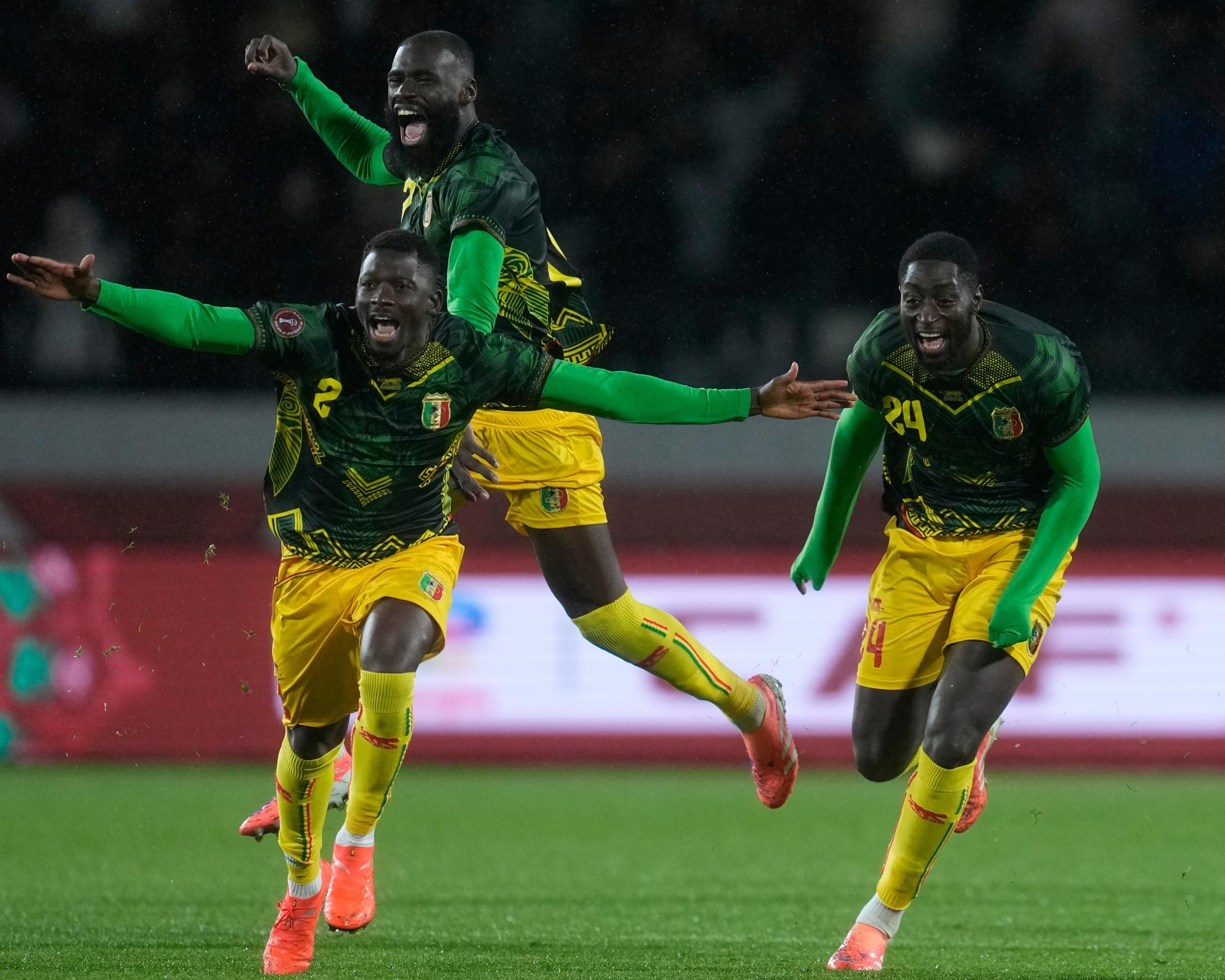
The Mali goalkeeper Djigui Diarra took the plaudits but this was a game Tunisia should never have lost. For over an hour and a half they played against 10. They took the lead in the 89th minute. Twice they led in the shootout. And somehow they still lost, undermined by their own unwillingness to take the game on. If they had only played, they would surely have won but as so often before, Tunisia did not just play. They squabbled and spoiled, feigned injury and moaned, and every so often forgot themselves, played a handful of passes and looked the decent side that they really should be.
The Game That Should Have Been Won
Tunisia finally took the lead in the 89th minute thanks to Firas Chaouat’s deft back-header but, almost immediately, Yassine Meriah handled a free-kick in the box and Lassine Sinayoko converted the resultant penalty. And Tunisia were never going to score twice.
Tunisia are cursed by an awareness of their own history, of the fact that they were the first African side to win a game at a World Cup, and the sense that they are not perhaps quite what they were. They may have dropped just two points from 10 games in World Cup qualifying – they have been drawn with the Netherlands, Japan and Ukraine, Sweden, Poland or Albania in Mexico and the US – but doubt is always lurking, ready to beset them. Last month’s group stage exit at the Arab Cup dispelled whatever optimism had begun to build over the previous year, and their coach Sami Trabelsi came into this tournament under pressure.
The Manager's Dilemma
In the group, it was the defeat by Nigeria that stood out, a couple of late goals reducing the deficit but not the impression they’d been outplayed in a 3-2 defeat. Trabelsi started with a back three for the only time other than that Brazil game. That may be a reasonable approach for trying to nullify a side he believes to be technically superior to his own, but there seemed little reason for such negativity against this Nigeria. The impression was of a manager feeling the pressure, fearing just the sort of humbling defeat his side ended up suffering.
The back four returned for the draw against Tanzania that secured Tunisia’s progress against Mali. It was paired with a five-man midfield of which the kindest thing to say, perhaps, would be that it was picked for industry rather than creativity. Such attacking width as there was, was offered by Burnley’s Hannibal Mejbri and Augsburg’s Ismaël Gharbi, neither of whom could be described as natural wingers. It was enough to have neutrals pining for Wahbi Khazri. Not until the 70th minute did they finally switch to a more orthodox 4-3-3.
A Culture of Negativity
Negativity saps at them, as it has for at least two decades. Every contact brings protest, every throw-in is contested, every opportunity to break up play is taken. Against a team better than them it would be frustrating but understandable. Against a team like this Mali it was incomprehensible and, ultimately, self-defeating. At one point midway through the first half, Tunisia had a throw about 20 yards from the goalline, but were so lacking in ambition they sent only one player into the box. At times, it’s as though they would rather win a scrap than a football match. If they just played, they would surely win more than they do, but fear of defeat curdles everything.
The Unfolding Drama
Here the onus was thrust on them to take the game to Mali with the 26th-minute dismissal of the skittish Woyo Coulibaly for treading on Hannibal’s achilles, a moment of foolishness that would have been baffling if it wasn’t so in keeping with the history of Malian football. The oddity of this particular Mali is the disjunction between their tactical approach – suited to sitting deep and playing on the break against bigger sides – and their psychological makeup – entirely lacking in the belief they can actually beat a big side.
Which perhaps explains why all four of their games at this Cup of Nations were level at 90 minutes. But that only makes it more frustrating that, even against 10 men, Tunisia were unwilling or unable to take the initiative against them. The anxiety that entraps this Tunisia is debilitating and hard to explain – but that’s the way it’s always been.


