Kratom Supporters Voice Concerns as Arizona AG Warns of Opioid Risks
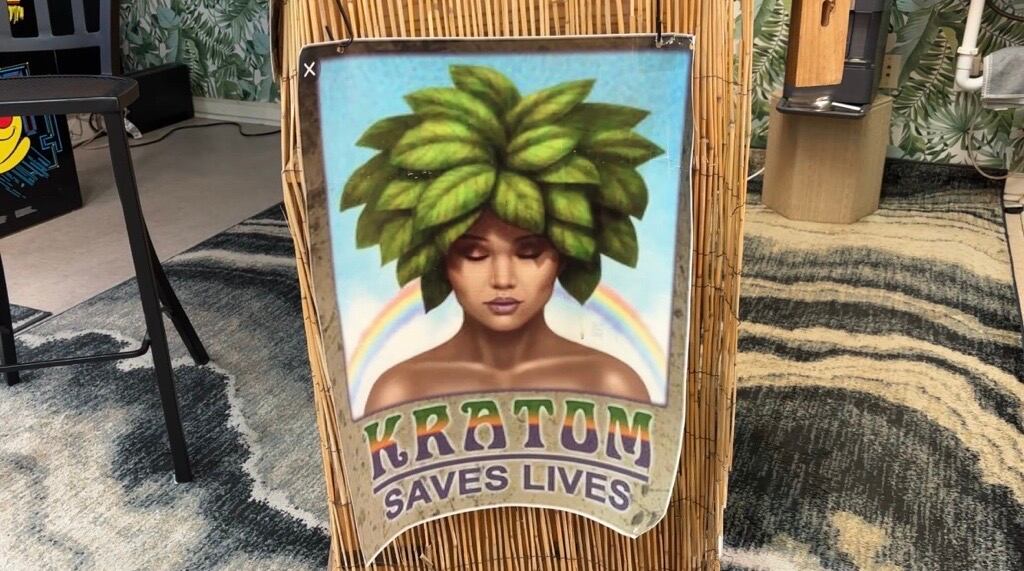
TUCSON, Ariz. (13 News) - State and federal officials are raising concerns about kratom, an herbal supplement commonly found in gas stations and smoke shops, which can produce effects similar to opioids. The FDA has warned that products containing kratom and its chemical derivatives pose a significant risk of addiction and overdose. However, for one local man who has been opioid-free for over six years, kratom has played a crucial role in helping him reclaim his life.
This is not the first time the federal government has considered taking action against kratom. In 2016, the FDA initially announced a ban on the substance, but it later withdrew the decision after facing public backlash. The ongoing debate around kratom highlights the complex balance between safety and access for those who rely on it.
Kratom’s Role in Recovery
After battling opioid addiction for more than a decade, Abram Aguilar turned to kratom as a potential solution. “I found some at a local smoke shop, and you know, I started taking it, and it’s been helping me,” he shared. Kratom is marketed as an herbal supplement that may help with pain relief, anxiety, and opioid withdrawal. While it is legal in most U.S. states, it has come under increased scrutiny recently.
Aguilar emphasized that kratom has helped him live a life free from opioids. “I don’t have any desire to use opioids, I just want to live pain-free, and the fact that it helps with my anxiety and depression is an added bonus, the way that I look at it,” he said.
He is particularly concerned about the regulation of 7-OH, a compound derived from kratom that is highly concentrated. In July, the FDA recommended classifying 7-OH as a controlled substance due to its potential for abuse. Shortly after, Arizona Attorney General Kris Mayes issued a consumer alert against the compound, labeling it a synthetic opioid and “gas station heroin.”
Regulatory Measures and Concerns
Under Arizona’s Kratom Consumer Protection Act, retailers are prohibited from selling products containing dangerous non-kratom substances, products with 7-OH levels exceeding 2%, or kratom to anyone under 18. Mayes stated she plans to collaborate with lawmakers to strengthen these protections and increase penalties for selling to minors.
While Aguilar does not disagree with these rules, he fears that stricter regulations could make it harder for people like him to access the substance. “I don’t think that it’s done intentionally, I think it’s just a matter of people don’t know who actually relies on this stuff,” he said.
As someone who has struggled with opioid use disorder, Aguilar believes that legal substances like kratom and 7-OH have been vital in helping him stay clean. He worries that if access is restricted, others may turn back to stronger street drugs. “That’s the real risk, isn’t it? Just because I’m not terminally addicted to heroin or opioids doesn’t mean that other people aren’t. A lot of people rely on this, so they don’t go back down that path, and they are concerned,” he explained.
Currently, 7-OH has not been classified as a controlled substance by the FDA and remains readily available for purchase in Arizona gas stations, smoke shops, and kratom bars.
You can submit your breaking news or weather images here.


