Greenland Leaders Reject Trump's US Control Bid: 'We Don't Want to Be Americans'
Greenland's Leadership Rejects U.S. Control
Greenland’s leadership has firmly rejected the idea of the United States taking control of the island, despite ongoing discussions and statements from the Trump administration. The territory, which is a self-governing Danish entity, has consistently emphasized that its future should be determined by its own people.
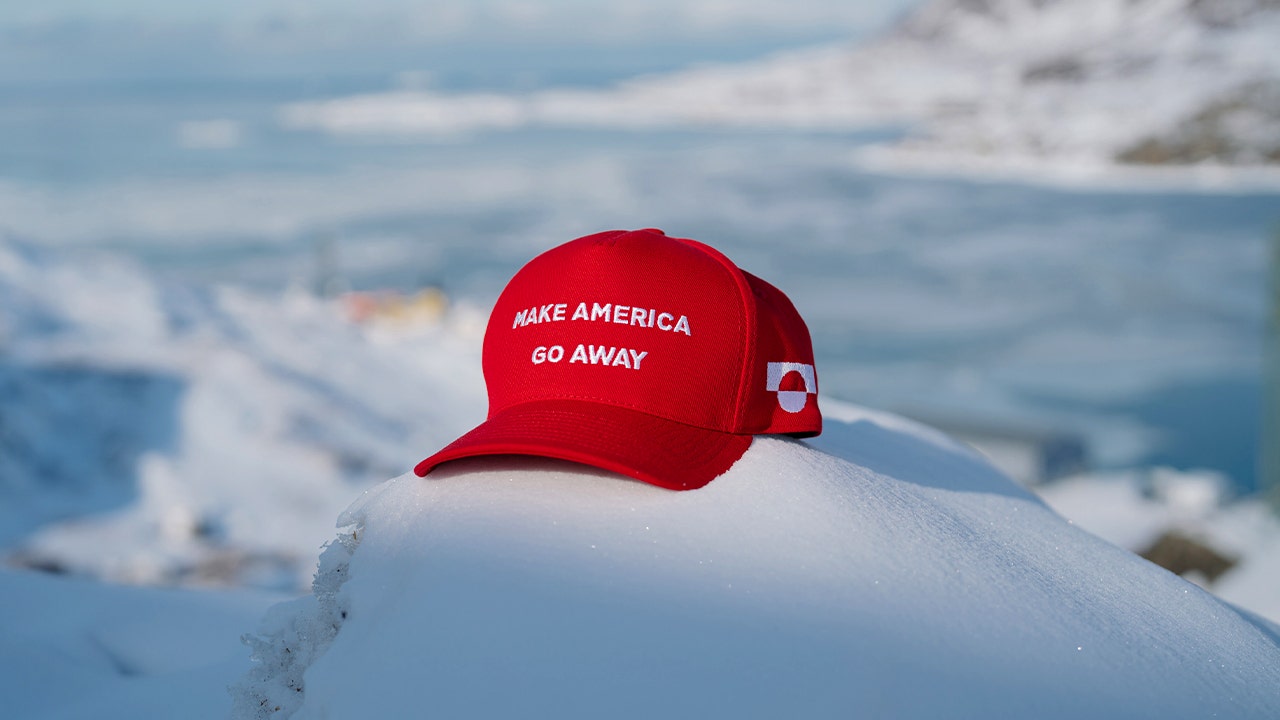
In a statement released on Friday night, Greenland Prime Minister Jens-Frederik Nielsen and four party leaders expressed their stance clearly: "We don’t want to be Americans, we don’t want to be Danes, we want to be Greenlanders." This message was conveyed through a statement reported by The Associated Press, highlighting the strong desire for independence and self-determination among the Greenlandic population.
The statement also reiterated that the island's "future must be decided by the Greenlandic people." It further criticized the U.S. approach, stating, "As Greenlandic party leaders, we would like to emphasize once again our wish that the United States’ contempt for our country ends."
Trump's Assertions on Greenland
During a roundtable with oil executives, President Donald Trump addressed the potential U.S. involvement in Greenland. He claimed that it was essential for the U.S. to act swiftly to prevent Russia or China from gaining influence in the region. "We are going to do something on Greenland, whether they like it or not," Trump said, emphasizing the strategic importance of the Arctic territory.
Trump argued that if the U.S. does not take control of Greenland, it could lead to a situation where Russia or China becomes a neighboring power. "That's not going to happen," he stated. The president also mentioned his belief that the U.S. is in control of Venezuela following the capture of President Nicolás Maduro, suggesting that similar actions could be taken in Greenland.
Comparisons and Reactions
Nielsen has previously dismissed comparisons between Greenland and Venezuela, noting that the island aims to strengthen its relations with the U.S. However, the recent remarks from Trump have raised concerns about the potential implications for international relations.
Danish Prime Minister Mette Frederiksen voiced her concerns about the impact of Trump's threats on NATO. She warned that if the U.S. were to attack another NATO member, it could jeopardize the alliance. "If the U.S. chooses to attack another NATO country militarily, then everything stops. Including our NATO and thus the security that has been provided since the end of the Second World War," she said during an interview with Danish broadcaster TV2.
White House Response
White House deputy chief of staff for policy Stephen Miller supported Trump’s position, stating that Greenland "should be part of the United States." When pressed by CNN anchor Jake Tapper about the possibility of military action against the Arctic island, Miller defended the stance, arguing that securing the Arctic region is crucial for protecting NATO interests.
"The United States is the power of NATO. For the United States to secure the Arctic region, to protect and defend NATO and NATO interests, obviously Greenland should be part of the United States," he said.

Ongoing Tensions and Future Implications
The tensions between Greenland and the U.S. highlight the complex geopolitical landscape involving Arctic territories. As global powers vie for influence in the region, the question of sovereignty and control remains at the forefront of international discussions.
Greenland's leaders continue to assert their right to self-determination, rejecting any external attempts to dictate their future. The situation underscores the importance of maintaining diplomatic relations while safeguarding national interests.
Conclusion
The debate over Greenland's future reflects broader concerns about national security, sovereignty, and international alliances. While the U.S. emphasizes the strategic value of the Arctic region, Greenland's leadership remains steadfast in its commitment to independence. As the situation evolves, it will be crucial to monitor how these discussions shape future policies and relationships between nations.


