The Toughest Reservation in China: A Factory Tour
BEIJING—Yang Xingyue, a car enthusiast and content creator in Beijing, had never imagined that she would be among the lucky few to visit Xiaomi's electric-vehicle plant. When the tech giant announced free public tours of its highly automated facility on the outskirts of the city, she immediately applied. The competition was fierce, as thousands of locals and tourists vied for the chance to see the future of manufacturing.
Xiaomi launched an online lottery in January, offering access to its EV plant. The response was overwhelming, with more than 100,000 people entering for about 200 tours in December and January. The odds of being selected were lower than getting into some of China’s most prestigious universities.
Yang, a 35-year-old mother of a 2-year-old son, wanted to give her child a firsthand look at the factory. She was surprised when she was chosen for a tour last March, which allowed her to bring up to two guests. Unfortunately, her son was too young to join, as Xiaomi requires children to be at least 6 years old. Instead, she brought a friend, and plans to return when her son is older.
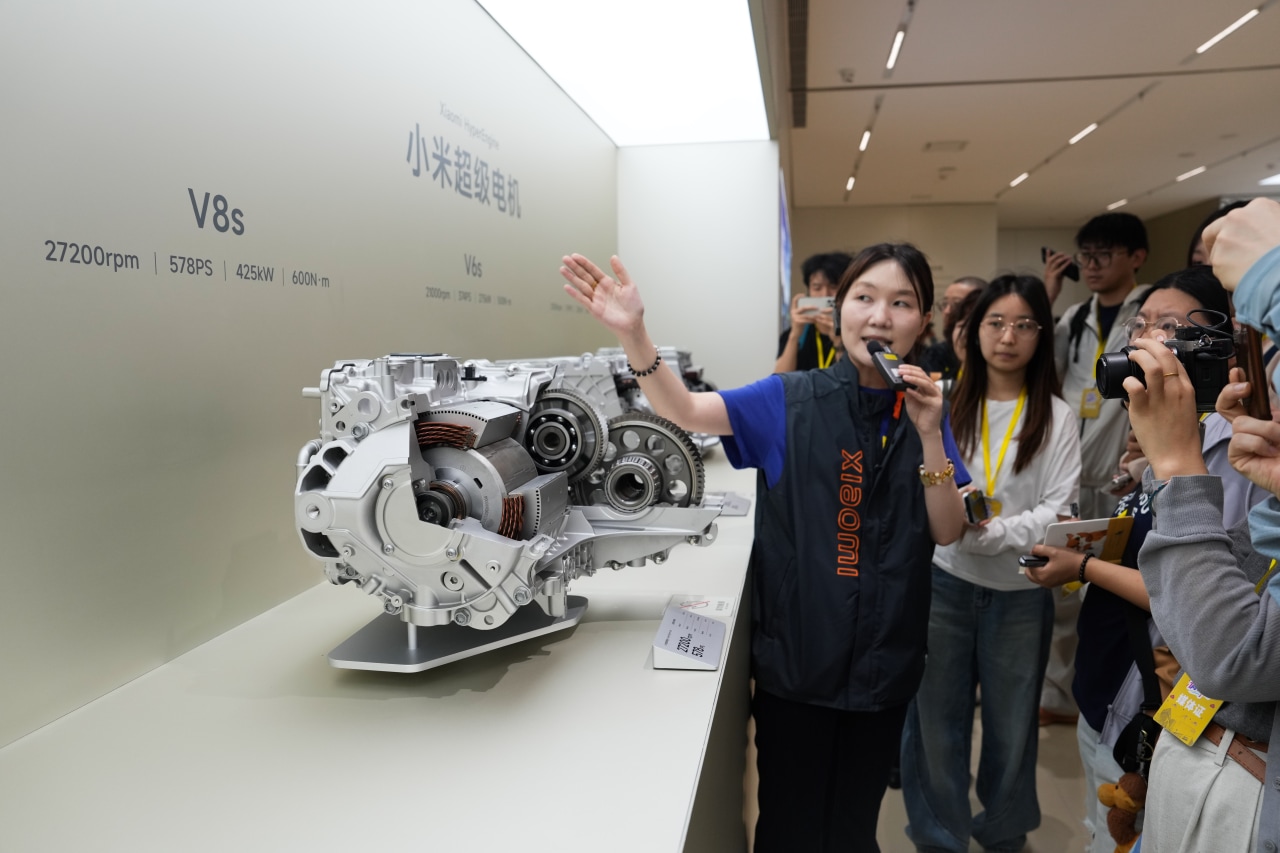
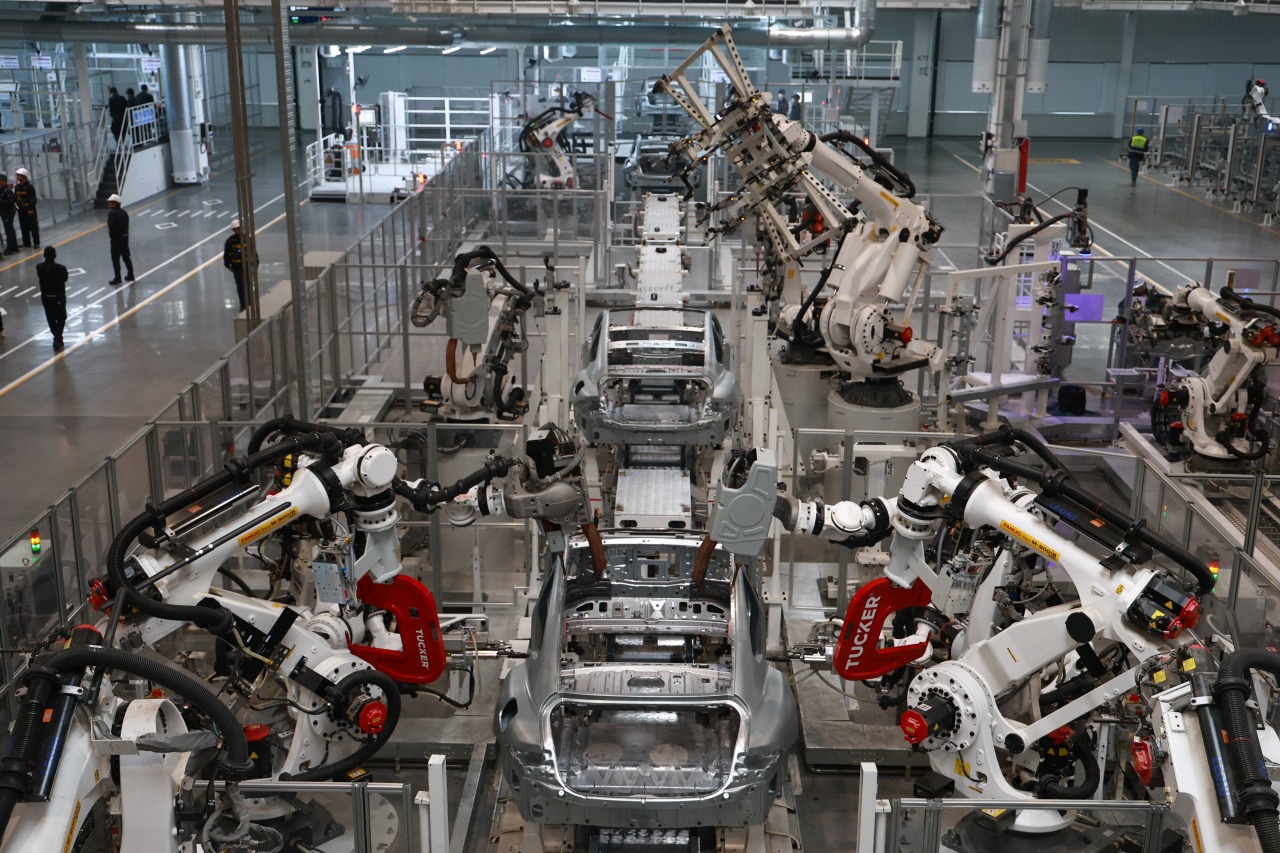
During the one-hour tour, Yang witnessed hundreds of robotic arms and machines working in unison on the factory floor. According to Xiaomi, the plant produces a new car every 76 seconds. For Yang, the experience was eye-opening and gave her a deeper appreciation for the speed and scale of China's technological advancements.
“It was a very advanced industrial factory,” she said. “I thought, ‘Oh, so this is how cars are made.’”
This kind of industrial tourism is becoming increasingly popular in China. The government is promoting it as a way to foster national pride and showcase the country’s leadership in high-tech manufacturing. Beijing has set a goal of attracting 20 million industrial tourism visits annually by 2027.
Chinese companies are also using factory tours as a way to connect with customers. Electric vehicle maker NIO, dairy company Mengniu, and beer producer Tsingtao have all started hosting tours for the public.
Xiaomi, known for its smartphones, began offering factory tours after receiving requests from customers. The number of available slots increased from 118 in December to 126 in January to meet the growing demand, especially during winter break when students are looking for unique experiences.
One mother who recently visited the factory shared her experience on social media platform Xiaohongshu. She traveled from Hebei province with her daughter and said the trip was worth it when she saw her child's excitement during the tour.
“The best education is letting children see the power of technology with their own eyes,” she wrote. “It’s more effective than saying ‘study hard’ a hundred times.”
Moms now share tips on how to secure a spot on the tours. One piece of advice: answer the phone if Xiaomi calls. A woman from Beijing posted on Xiaohongshu that her first booking failed because her husband didn’t answer the call.
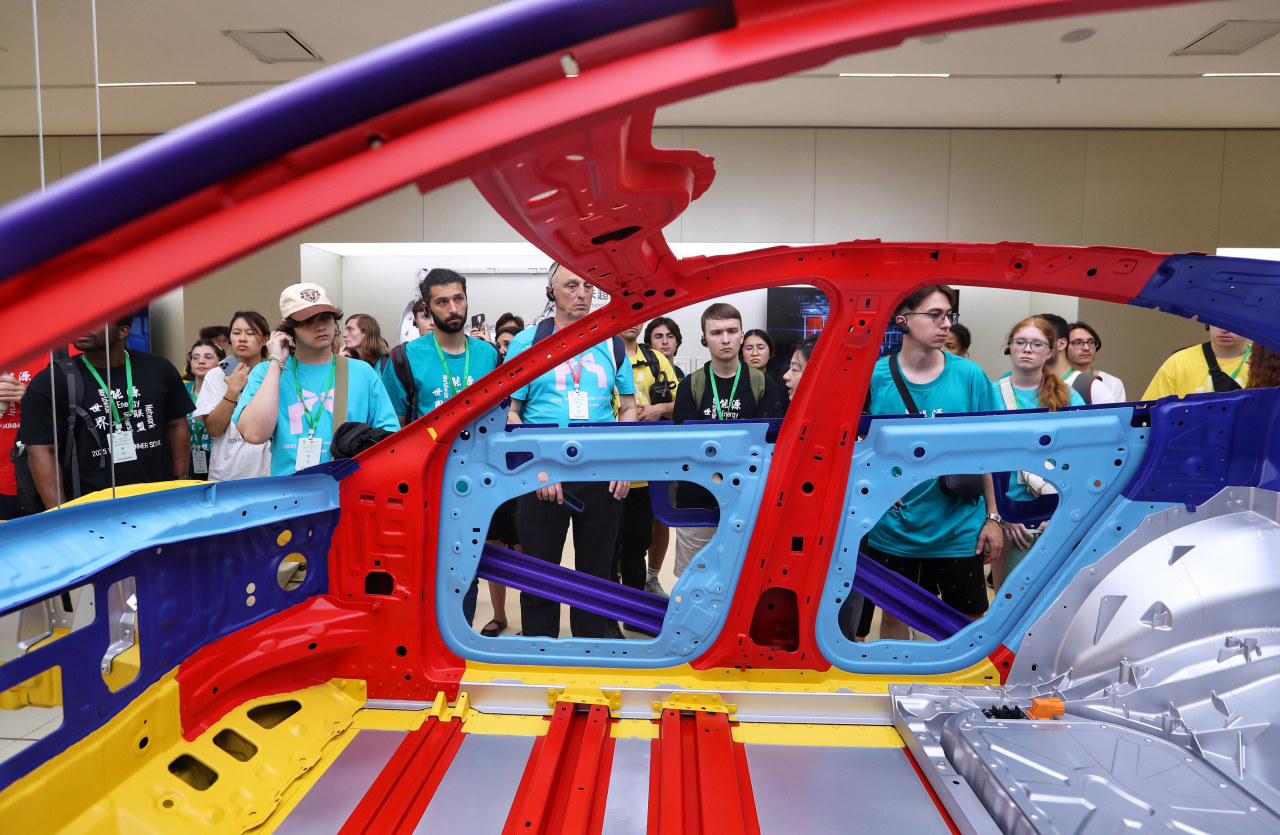
On a recent tour, a group of about 30 visitors included five elementary-school-aged kids, three teenagers, and two young couples. Many brought suitcases and wore stickers identifying them as “tourists” or “sightseers.” Before the 15-minute drive through the factory, visitors were asked to lock their phones in pouches, as no photos or videos were allowed.
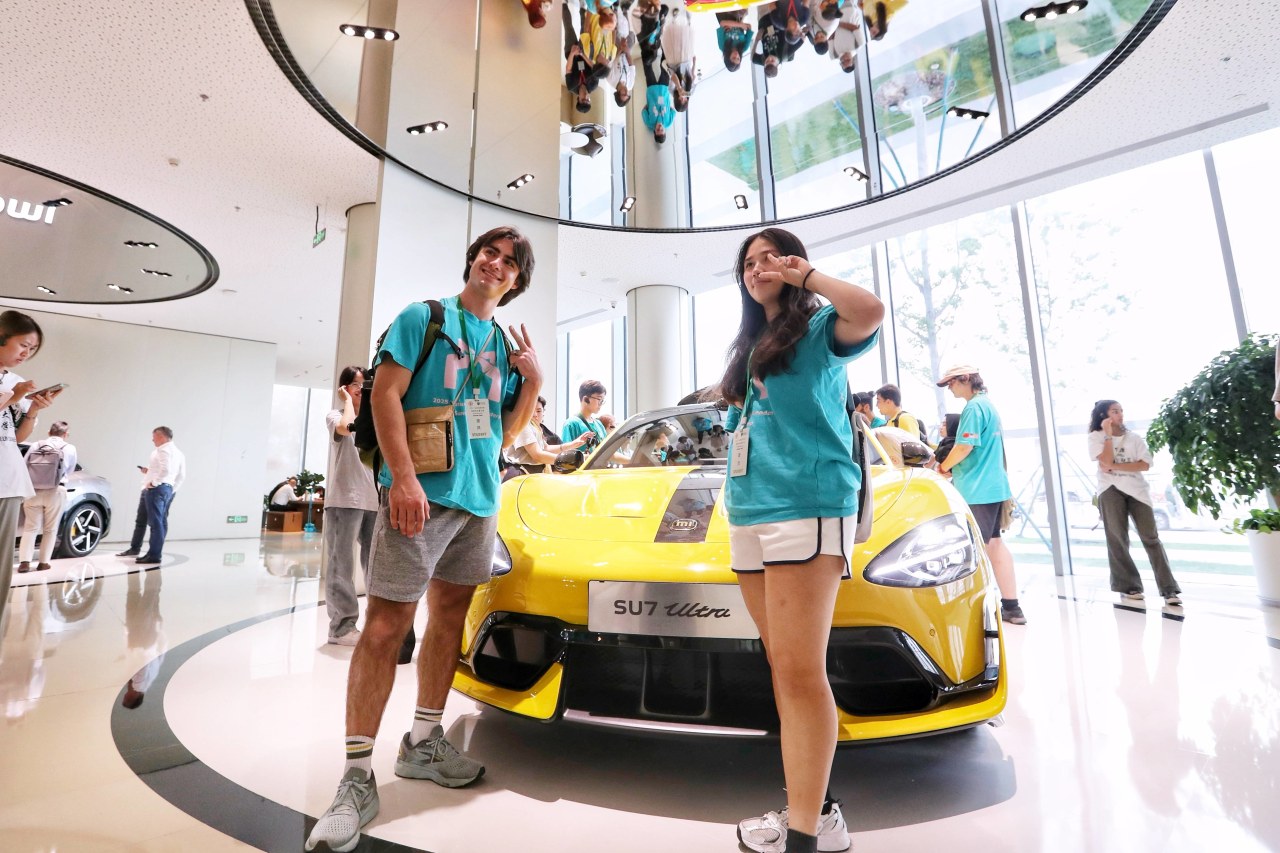
Golf cart-like vehicles transported the group through a bustling factory floor where mechanical arms and machines worked tirelessly to cast, stamp, and assemble car bodies. After the tour, there were plenty of photo opportunities. Visitors could test ride the Xiaomi SU7, a Porsche-inspired electric vehicle with a waitlist, or dine at the company cafeteria, which offers a meal for about $2.
One visitor shared a photo of the rice and vegetables she ate at the canteen. “The price is cheap, but the taste is really not great,” she said. “If it’s like this every day, that’s a bit concerning for the hardworking staff.”
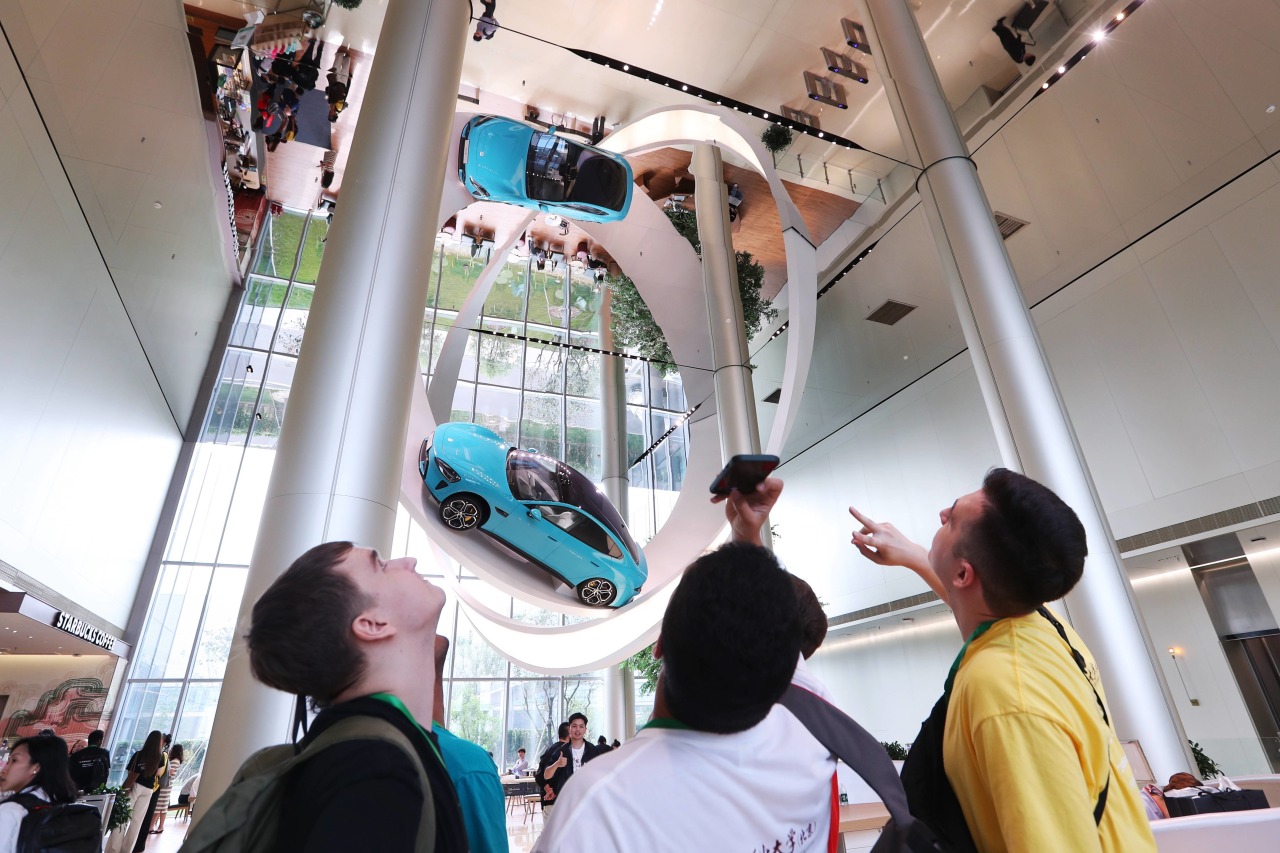
Some visitors came just for a picture in the showroom lobby, where an electric blue SU7 on a Mobius strip hangs from a mirrored ceiling. It has become a popular spot for “da ka,” a phenomenon in China where tourists go to locations specifically to take pictures and post on social media for digital clout.
Rui Ma, founder of research firm Tech Buzz China, has taken private tours of factories at Xiaomi and NIO as part of trips she organizes for global investors. Inspired by the sight of children visiting tech companies and trade shows, she is planning a STEM education trip to China for high-achieving middle-school, high-school, and college students from around the world.
Ma, based in Silicon Valley, hopes to bring her own children to a factory like Xiaomi’s, but they are still too young. Her children are 3 and 1.
“I never thought of taking my kids to visit a factory,” she said. “But now I’m like, ‘Hey, that’s actually not a bad idea!’”


