Switching your dog's diet – the right way to do it
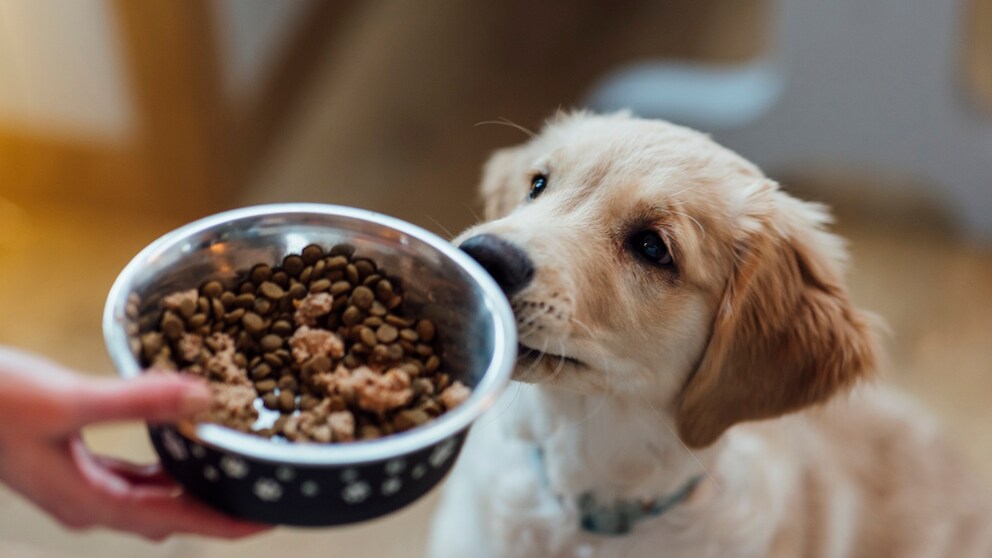
After the puppy phase and throughout a dog’s life, a change in diet will eventually be necessary. It’s important to know the basic rules, as a dog’s body and digestion need time to adjust to new food. Our PETBOOK author and dog nutritionist, Philine Ebert, explains what to consider during a diet change and how it works.
Why Change a Dog’s Diet?
Every dog has a uniquely tailored diet. The reasons for a diet change are varied–sometimes due to health factors, other times to adjust the diet to the dog’s age. But the list is longer:
- Switching from puppy to young, adult, or senior dog food
- Adjusting to energy and nutrient needs
- Health-related switch to special food
- Diet food due to overweight
- Changed living conditions, activity, age, and breed
- Existing or developed intolerances and allergies to foods or additives
- Switching food types to dry and wet food or BARF feeding
- Variety in the bowl
- Taste and preferences of the dog
- Manufacturer discontinues the current food or changes the range and composition
The most common reasons for switching from dry to wet food or BARF feeding include:
- Dental problems that make chewing hard foods difficult
- High acceptance in cases of loss of appetite, as wet food has a stronger smell and encourages eating
- The dog drinks too little water; wet food naturally contains more moisture (about 75 percent moisture)
- Intolerances, allergies, or chronic illnesses that require a special diet
- With BARF feeding, an individual, freshly prepared, natural diet without additives
Reasons for switching from wet to dry food include:
- Taste, smell, or texture: Often dogs simply don’t like wet food or have specific preferences or aversions
- Ready to eat, easy portioning, longer shelf life, wide range of flavors, cost-effectiveness
What Happens in a Dog’s Body During a Diet Change?
The digestive tract and gut flora are accustomed to the consistency and composition of the current food over a long period. New food initially challenges digestion, and it takes time to adjust. This raises many questions: Is it well-tolerated or harder to digest? Does the process take longer, and does the digestion time change? Does the composition alter the digestion process and possibly the stool consistency and volume? Are there temporary side effects like gas, nausea, vomiting, constipation, diarrhea, or itching, and do these symptoms regulate, or is the new food unsuitable long-term? Does the dog develop long-term allergies to certain ingredients, or do intolerances become apparent?
How Long Does a Diet Change Take for a Dog?
Under no circumstances should new food be fed directly and purely from one day to the next, as this can lead to severe gastrointestinal issues. The body must gradually adjust to the new food. This can take a few days–on average, it is usually four to seven days–and for sensitive and delicate dogs, it can take several weeks. There are also differences with age: The nutrient needs of puppies and young dogs vary greatly and change continuously. Especially for puppies, the transition should occur over a longer period to protect the still very young and sensitive digestive tract. For seniors, owners should also take their time. Dogs are considered seniors from about seven to ten years old. To avoid overweight in their new life stage and ensure a balanced nutrient supply according to activity and age, a slow transition to senior food should be made.
How Does a Diet Change Work for a Healthy Dog?
The transition to food of the same type–either dry or wet food–is mostly uncomplicated. For a healthy animal without known allergies or intolerances, you can plan about a week for a gentle diet change of the same type of food. As a guideline, proceed step by step as follows:
- Day 1 to 2: 75 percent old food and 25 percent new food
- Day 3 to 4: 50 percent old food and 50 percent new food
- Day 5 to 6: 25 percent old food and 75 percent new food
- Day 7: from now on 100 percent new food
With this guideline, increase the proportion of new food every two to three days. The transition within seven to ten days is recommended if the dog responds well and does not develop any issues. For sensitive and delicate animals, you should allow more time: It can take up to 14 days or longer for them to adjust to the change.
Switching from wet to dry food or vice versa should be done carefully. Since wet and dry food are digested differently and have different digestion times, they should not be mixed to prevent digestive problems. Wet food takes up to 8 hours to digest, while dry food takes up to 12 hours. Therefore, it is recommended to mix different types of food only for non-sensitive animals; otherwise, feed wet food in the morning and dry food in the evening. During the transition, slowly switch to the new type of food and replace the old with the new. It is advisable to plan up to two weeks for the transition, as switching from wet to dry food often leads to digestive problems. When transitioning to dry food, it can be given as a treat beforehand or in between for testing and acclimatization.
Important: For a very sensitive, chronically ill animal or already known severe allergies and intolerances, as well as when switching to diet food, a veterinarian or qualified animal naturopath or animal nutritionist should be consulted to accompany the transition.
Tips for Transition
The transition usually takes longer (up to two weeks) because the digestion must first adjust to the dry food. It is helpful to moisten the dry food with water or broth beforehand.
Possible Side Effects During the Diet Change
- Gas
- Diarrhea
- Vomiting
- Itching
- Reluctant or too fast eating during the transition phase, less or more thirst due to the type of food
These symptoms are common but should only occur temporarily and subside after the diet change.
When Has the Dog Adjusted to the New Food, and What Should Be Considered Long-Term?
As an owner, it is important to closely observe the dog during the diet change. Also, pay attention to the skin and coat, as feeding has a significant impact on them. It’s worth taking a close look, as changes may not appear until weeks after the diet change. Since the nutritional values and composition of the new food are different, the weight may change in the weeks following the transition. Therefore, pay attention to changes on the scale and in the nutritional state. This also shows whether the amount of food is correctly measured and whether all necessary nutrients are included. The manufacturer’s feeding recommendation is often just a guideline and must be individually adjusted to the needs of the respective animal to avoid under- or over-supply. A medical check-up with the veterinarian can also provide insight into whether the food supplies the dog with all the important nutrients in the right amount according to its energy needs.
It is also important to check the stool output and consistency. After a successful diet change, the dog should pass a stool one to three times a day in the appropriate size, consistency, and color.
Philine Ebert
Freelance Author
My conclusion as a dog nutritionist
“There are always circumstances and changed living conditions in a dog’s life that make a diet change unavoidable. With the right knowledge and a little sensitivity for your pet, you can find a suitable alternative and usually master the transition to new food without any problems.”


