Next-gen Jaguar F-Pace: Could Type 00 Shape Its Future?
Why the Jaguar F-Pace is Due for a Radical Reinvention
Perhaps the brand's most critical modern vehicle, the F-Pace has accounted for the vast majority of Jaguar's sales over the past decade. The SUV combined the satisfying driving dynamics and supple ride that the brand has long been renowned for with the everyday practicality and rugged functionality of a four-wheel-drive utility vehicle. Since 2016, the F-Pace has carried the Jaguar brand on its shoulders, but last year it was discontinued entirely. Still, I'm willing to bet that we haven't seen the end of the Jaguar F-Pace, even if its replacement is radically different.
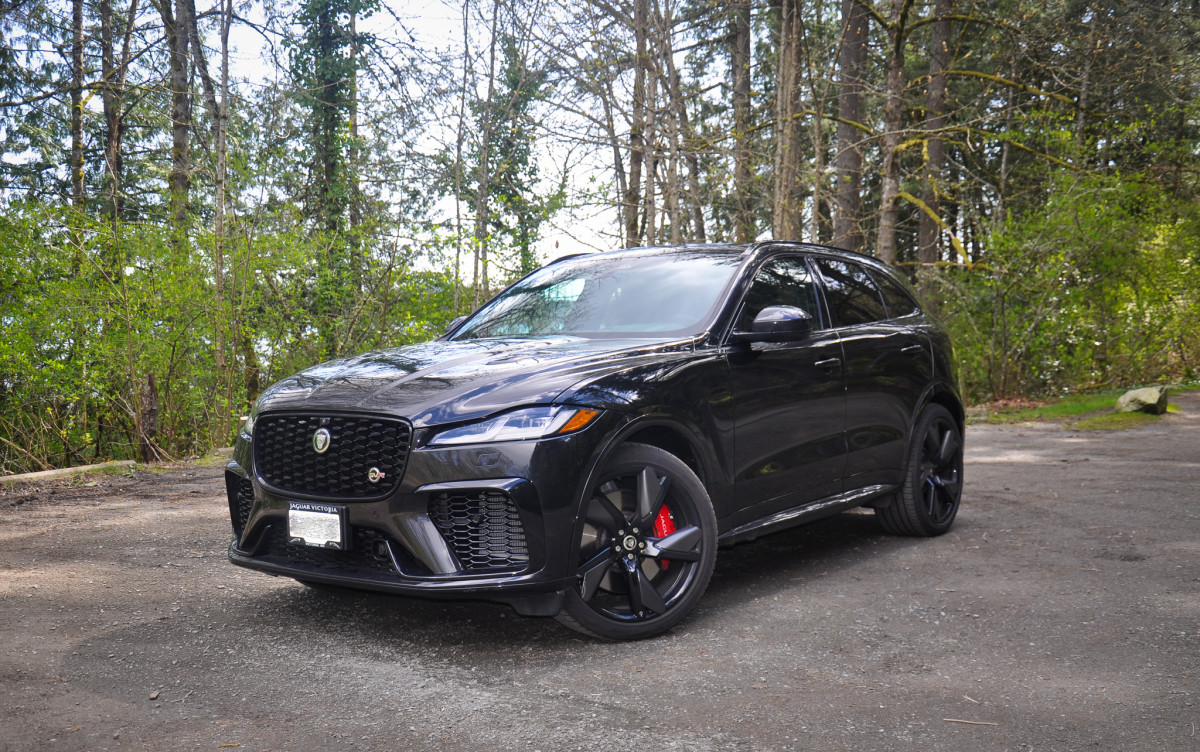
As Jaguar pivots its entire lineup towards full electrification—an extremely controversial move during times of uncertainty in the EV industry—the world has been left biting its nails, waiting for a new product from the brand that hasn't shown off anything more than its Type 00 concept car, which was perhaps the most controversial vehicle debut of 2025, due to its significant departure from the brand's cherished traditions and its wildly minimalist styling. Although recent spy shots suggest that a Type 00-inspired electric sedan is well on its way, there's no denying that without its bread-and-butter SUVs breathing life into the brand's showrooms, Jaguar could be doomed for disaster.
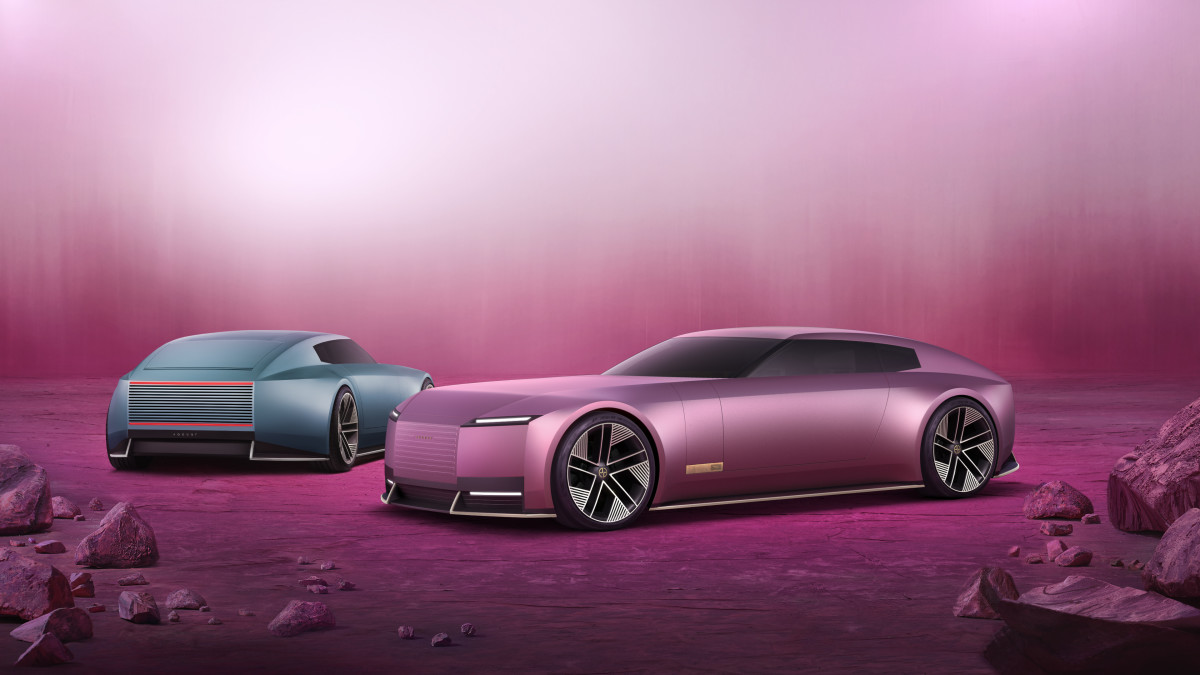
The Type 00 Concept Explained
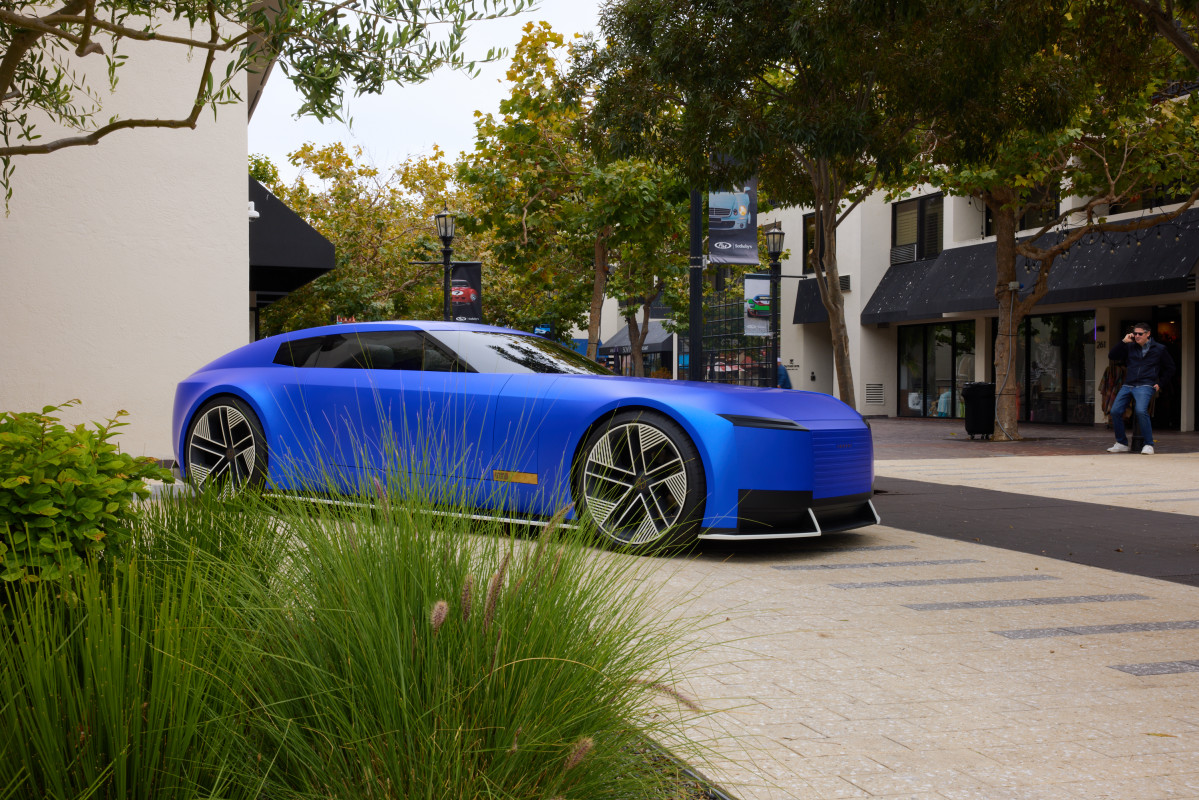
For better or worse, Jaguar's "Type 00" concept was designed to be nothing other than polarizing. Paying close attention to surface lighting and distinct edges, the Type 00's body lines evoke the styling cues of large Jaguar grand tourers of the past, such as the XJS and the XK, while offering the eye something unique and new. Needless to say, the Type 00 concept was met with both criticism and praise; it was almost as divisive in 2025 as America's political climate. In fact, the Type 00 concept represented somewhat of a shift for Jaguar's brand values. The brand, which was once the staple of aristocracy and elitism, seemed to be turning its back on longtime buyers, instead tailoring its approach to be more progressive and inclusive. While this was refreshing news for some, others became infuriated by the assumption that Jaguar was making a political statement with its latest concept.
Jaguar's History is Still Cherished by Many
Jaguars have been a part of my family since I could walk on two feet. My grandfather had worked as an airline mechanic for Canadian Airlines for decades, which was a government-owned crown corporation. When Air Canada acquired and integrated Canadian Airlines in 2001, my grandfather cashed out on his government pension and decided to retire for good. Two years later, he showed up to pick my brothers and me up from school in a slick, black-on-black Jaguar XJ8, and the image of that villainous sedan pulling up remains a vivid memory to this very day. In the time since, my dad has driven three different F-Pace variants, and I've even had my own fun with some of the brand's most coveted modern classics, having owned a couple. I even spent a summer during college working at a British car specialist shop, where I had the opportunity to experience countless Jaguar models, including the ever-iconic E-Type, XJRs, XK8s, F-Types, S-Type Rs, you name it.
I'll freely admit that I am not a fan of Jaguar's claimed new direction for the brand. For me, it has nothing to do with political agendas or performative virtue signalling. What really got under my skin was the notion that Jaguar wanted nothing to do with their own heritage—a heritage that I've obsessed over for decades. Having previously owned two youngtimer classic Jaguars of my own (an X308 XJ8 and an X200 S-Type 4.2), being subscribed to Jaguar World, having annoyed my girlfriend with countless diecast model Jaguars and Land Rovers littered throughout our apartment, even I feel half as committed to the Jaguar brand as some of the kind folks I've met over the years at classic British car shows and Jaguar gatherings and witnessing Jaguar's current management essentially dismiss the brand's storied history as irrelevant nonsense felt like a brutal punch to the gut.
What a Type 00–Inspired Jaguar F-Pace Could Look Like
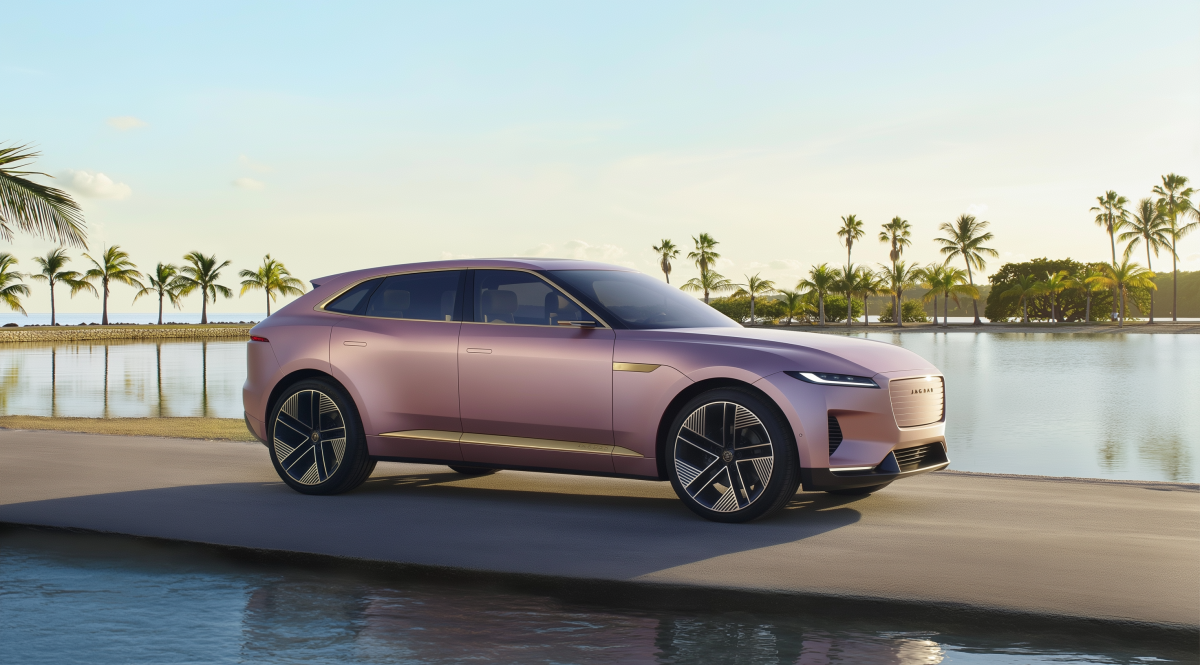
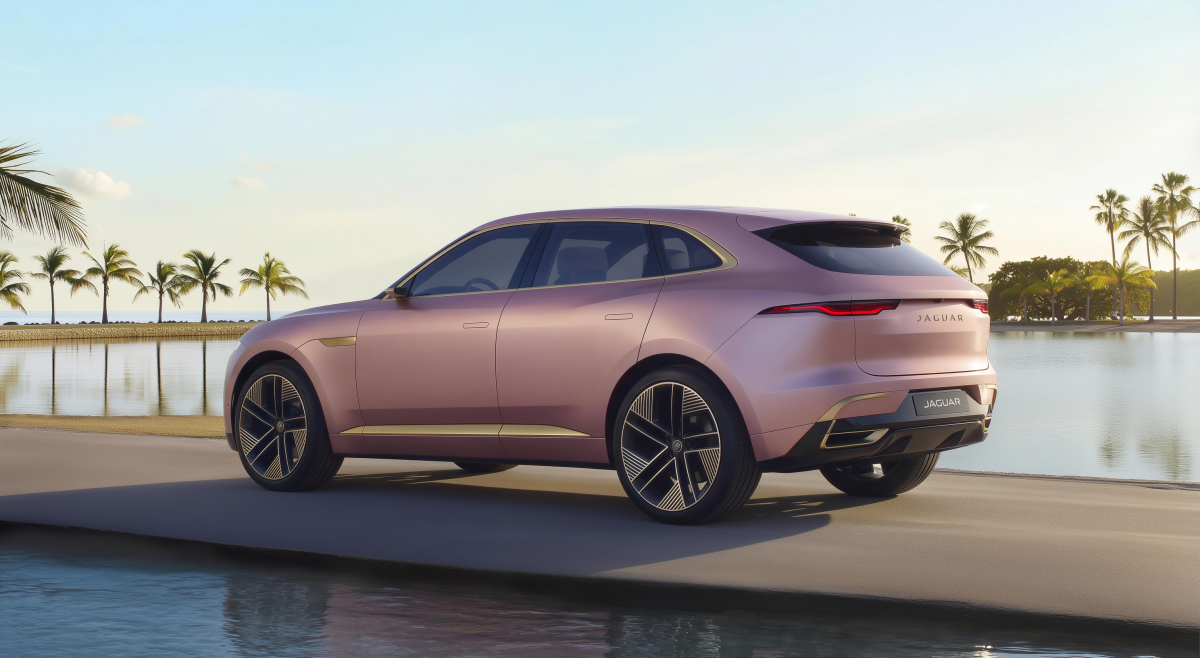
Although I cherish Jaguar's heritage as if it were my own family's history, even I cannot deny that the brand must do something drastic to succeed in the modern era. The brand's attempts to take on the German big three were unsuccessful, and Jaguar learned that if it doesn't lean into its own uniqueness and identity, it's destined for failure. A new SUV from the brand is imperative—if not inevitable—but it'll face some stiff competition from rivals who have already offered buyers electrified SUVs for years. To remain competitive, Jaguar's new SUV will need to inspire awe through its design, and perhaps drawing on the Type 00 concept could achieve that impact, if executed properly.
Performance, Electrification, and Platform Possibilities
Though the technical details of Jaguar's upcoming EV are scarce, there's no denying it'll need to offer both impressive power and ample battery range to attract buyers who could otherwise opt for a BMW, a Mercedes-Benz, or even an Audi. With a variety of rear- or all-wheel-drive variants, battery capacities ranging from standard to extended, and even high-performance versions, maximizing the F-Pace's lineup versatility will be crucial to broadening its appeal. Still, while an electrified F-Pace seems like a relatively wise play in today's market, I believe that Jaguar would have an easier time achieving volume sales success if the brand were to offer a larger variety of powertrain options, including mild-hybrid engines such as the MHEV straight-six that packs both turbocharged and supercharged induction in "P400"-branded models, plug-in hybrid options such as what's found in the Range Rover Sport P550e, and even a gas-guzzling halo performance version, like the incredible SVR that came before it.
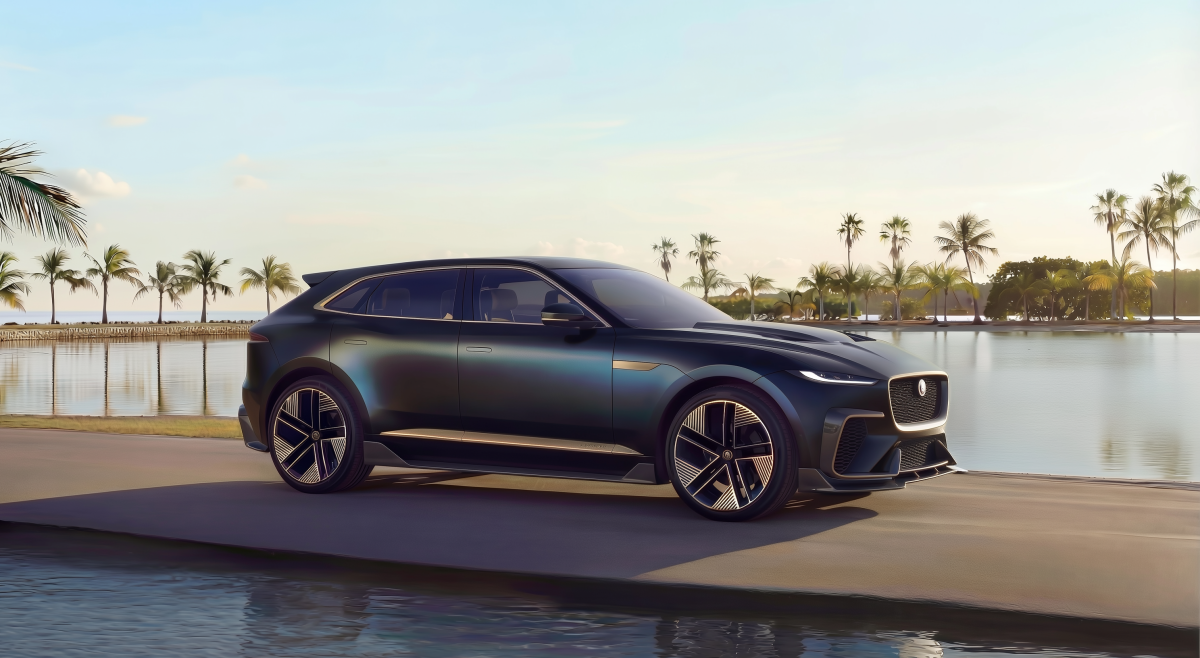
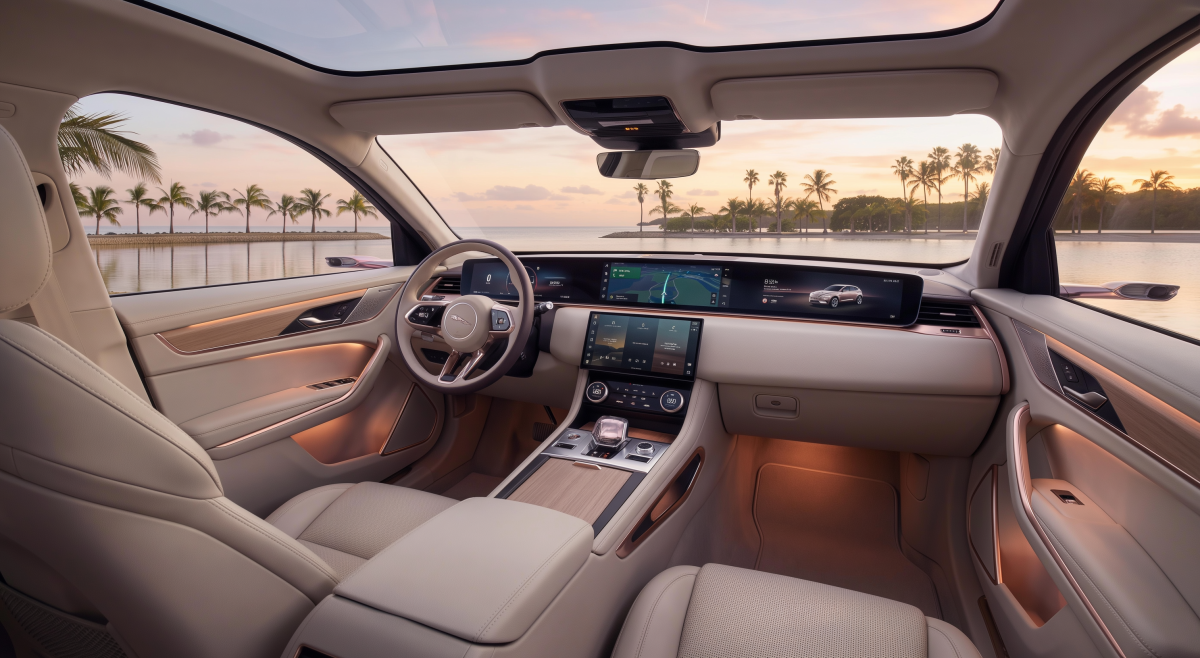
Being the longtime Jaguar fanatic I am, and having a supercharged V8-powered F-Pace SVR in the family, I'll admit that a satin pink Jaguar SUV with battery-powered performance, a dash-width screen, and rose gold trim accents doesn't quite match my expectations of what a high-performance Jaguar should be. So, of course, I had to imagine what the Type 00-inspired F-Pace could look like in fire-breathing SVR guise, and man, oh man, does it work well. With a satin oil-slick paint finish, large-diameter Type 00 wheels, and the possibility of being fitted with the Defender Octa's BMW-sourced 4.4-liter twin-turbo V8, a revised F-Pace SVR could be the halo car that Jaguar needs to carry forward its cherished heritage, even if its higher-volume EV variants don't quite do the brand's pedigree justice.
Final Thoughts: Would a Bold New F-Pace Help Jaguar’s Reinvention, or Hurt It?
A new Jaguar SUV will undoubtedly be crucial to the brand's future success. Still, by pursuing a radical design approach and eliminating combustion powertrains, Jaguar runs the risk of spending billions of dollars on producing something that, in a few years, nobody will want. In recent times, we've begun to see manufacturers backtracking on their EV transitions, with some even retrofitting platforms explicitly designed for EV use to accommodate combustion power, such as the Fiat 500 and the upcoming Porsche Cayman replacement.
Perhaps Jaguar will take note and develop its own upcoming EV platforms to accommodate combustion power should the time come when the brand's success depends on it. Still, this is all entirely hypothetical, and no one really knows what the future holds for Jaguar, except for Jaguar. So, what do you think? Should Jaguar radicalize the F-Pace with Type 00-inspired design and electrification? Or do you think it's all a colossal mistake and Jaguar's doomed for failure? Share your thoughts in the comments!


