Manchester town hailed as top UK property hotspot for 2025
Property Hotspots and Declines in 2025
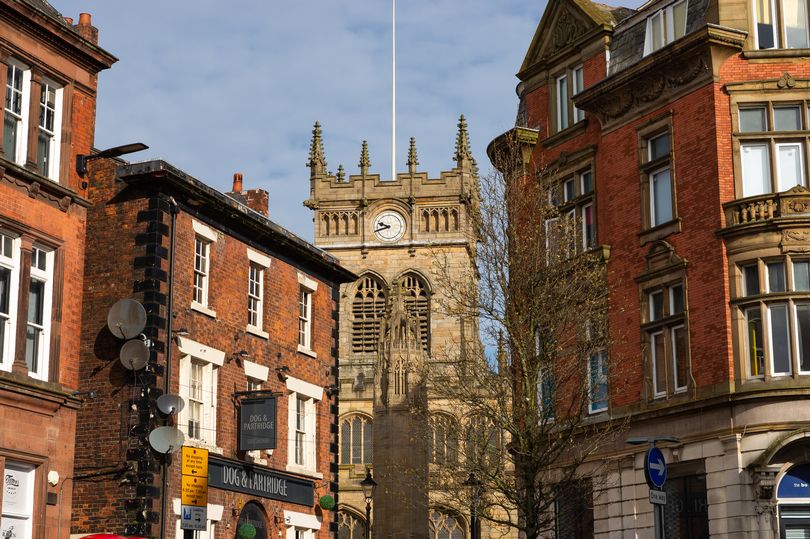
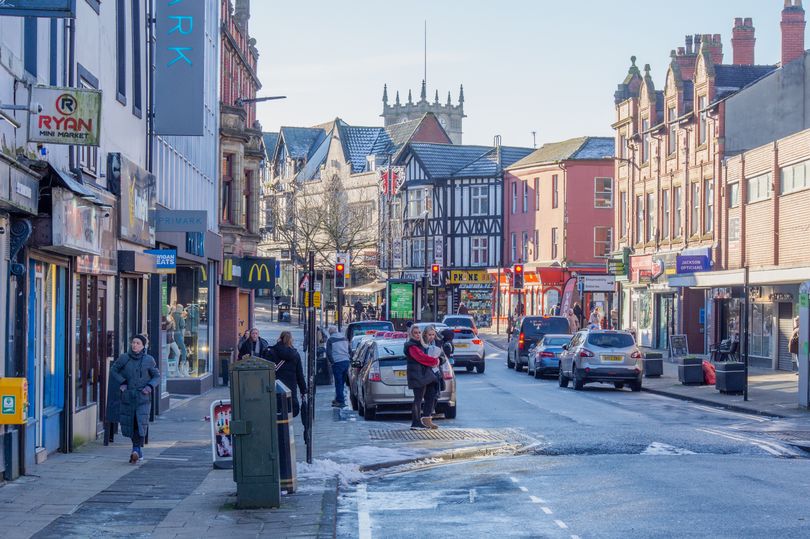
A town in Greater Manchester has been identified as one of the UK's most significant house price hotspots for 2025. According to research by Lloyds Bank, Plymouth, Stafford, and Wigan have emerged as the top three 'property hotspots' of the year.
Plymouth, a port city in Devon, experienced the highest increase in property values over the past 12 months. The average house price in the city rose by 12.6 percent year-on-year, based on data from Lloyds' mortgage records. This surge in prices highlights the growing demand for housing in this area.
Stafford and Wigan also saw substantial increases in their property markets. House prices in Stafford climbed by 12 percent, while Wigan recorded a 10.5 percent rise. The average property value in Wigan now stands at £249,562, which is £23,740 higher than it was last year. These figures underscore the strong performance of these regions in the current real estate landscape.
Top 10 Property Hotspots
The analysis also revealed the top 10 areas with the biggest house price rises in 2025:
- Plymouth (South West) – £278,808, an increase of £31,229 or 12.6%.
- Stafford (West Midlands) – £321,248, up by £34,516 or 12.0%.
- Wigan (North West) – £249,562, rising by £23,740 or 10.5%.
- Wakefield (Yorkshire and the Humber) – £286,268, up by £22,887 or 8.7%.
- Mansfield (East Midlands) – £243,251, increasing by £19,444 or 8.7%.
- Woking (South East) – £560,499, up by £42,046 or 8.1%.
- Liverpool (North West) – £254,550, rising by £17,686 or 7.5%.
- Rugby (West Midlands) – £374,653, increasing by £25,450 or 7.3%.
- Falkirk (Scotland) – £238,512, up by £15,794 or 7.1%.
- Hull (Yorkshire and the Humber) – £199,348, rising by £12,206 or 6.5%.
Areas Experiencing Price Drops
While some areas saw significant growth, others faced declines. Stockport was among the top 10 areas with the largest house price drops in 2025. The average house price in the region is now £330,654, a decrease of £16,289 or 4.7 percent compared to the previous year.
The South East region dominated areas where house values either declined or grew slowly. Crawley and High Wycombe recorded the steepest drops, with property values falling by 8.9 percent and 7.4 percent respectively. Chester also saw a 6.4 percent decline in average house prices. However, the North West of England as a whole experienced a 3.7 percent increase in property values.
In Wales, Cardiff saw a 5.2 percent decline in average house prices, despite overall property values in the country rising by 2.3 percent. This highlights the regional disparities in the UK property market.
Key Insights from Lloyds Bank
Amanda Bryden, head of mortgages at Lloyds, noted that while property prices are an important factor, choosing a place to live involves more than just financial considerations. "Choosing where to live is also about finding a place that feels right – a community you connect with, a commute that works for you, and a lifestyle that fits you," she said.
She advised those looking to buy a home to conduct thorough research on specific locations. "If you've got your heart set on a particular location, it's worth taking time out to do some research and see what's happening with prices there, as swings in value at a local level can make a big difference to how much you may need for a deposit, stamp duty or wider moving costs."
Bryden also highlighted the affordability of northern regions and Scotland. "Northern regions and Scotland are still generally more affordable than the south of England, with a huge amount to offer in terms of culture and history, alongside some of the most beautiful parts of the UK countryside."
Broader Trends in the UK Property Market
Lloyds' analysis covered the 12-month period ending in October 2025, comparing it with the same timeframe in 2024. Areas were included if Lloyds Banking Group had processed at least 150 mortgage applications during that window, excluding buy-to-let and shared ownership properties.
Overall, the majority of UK regions experienced growth in residential property values throughout 2025. Northern Ireland led the rankings with a 5.8 percent increase, while London saw a marginal 0.1 percent average decrease in property values.
Top 10 Areas with the Largest House Price Declines
Here are the locations with the largest percentage decreases in average home values in 2025:
- Crawley (South East) – £372,202, down by £36,317 or 8.9%.
- High Wycombe (South East) – £436,379, decreasing by £34,994 or 7.4%.
- Chester (North West) – £340,415, dropping by £23,114 or 6.4%.
- Solihull (West Midlands) – £390,292, down by £25,976 or 6.2%.
- Worcester (West Midlands) – £331,977, decreasing by £21,724 or 6.1%.
- Cardiff (Wales) – £310,577, falling by £17,079 or 5.2%.
- Cheltenham (South West) – £411,593, down by £21,616 or 5.0%.
- Brighton (South East) – £404,874, decreasing by £20,254 or 4.8%.
- Barnsley (Yorkshire and the Humber) – £215,552, dropping by £10,624 or 4.7%.
- Stockport (North West) – £330,654, down by £16,289 or 4.7%.