Labour's GP Wait Crisis: 300,000 Patients Waited Over a Month This Autumn
Rising GP Waiting Times Under Labour
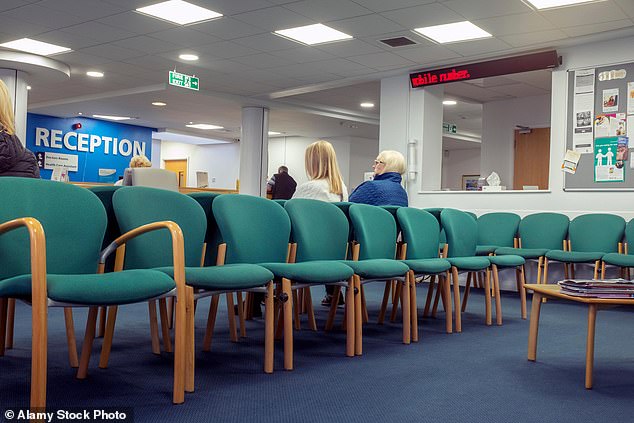
Long waits for a general practitioner (GP) appointments have significantly increased in recent months, with over 300,000 more people waiting more than a month to be seen this autumn, according to new data. The figures highlight a growing concern among patients and opposition parties about the state of primary care in England.
During the months of September, October, and November, a total of 7.6 million patients faced delays of more than four weeks. This represents an increase of 312,112 (4.2 per cent) compared to the same period in 2024. The data shows that one in every 13 appointments (7.5 per cent) involved a wait of over a month, while one in five (20.9 per cent) took place at least two weeks after being booked.
The Liberal Democrats, who analyzed NHS England data, have criticized the Labour government for its failure to improve access to GP services. They describe the situation as a 'crisis' and are calling for a 'rescue package' to ensure patients can see a GP within seven days or 24 hours if urgent.
According to the party, difficulties in securing an appointment are causing anxiety and severe pain for patients, with some turning to overwhelmed accident and emergency (A&E) departments for help. The latest data reveals that 1,770,148 people waited over a month for a GP appointment in November, which is 246,625 higher than when Labour took office in July last year.
Every region in England has experienced a significant rise in the number of patients waiting over two weeks and four weeks for appointments since Labour came to power. The South West region is the worst affected, with an increase of 53,000 more patients (23.7 per cent) waiting over four weeks for an appointment.
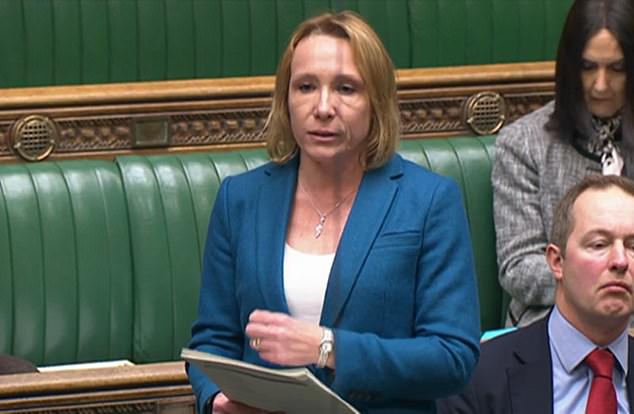
Helen Morgan, the Liberal Democrat's health spokesperson, stated: 'Nobody should be forced to wait over a month to see their GP, and yet millions of people across the country are being left waiting anxiously, in pain or needing treatment. In desperation, many people are having to turn to our overwhelmed A&Es to be seen.'
She added: 'GP services were left teetering on the edge by the Conservatives, but the fact that waits have worsened represents a damning failure by the Labour government too. Liberal Democrats would breathe life back into our GP services, with a new legal right for every patient to be seen within seven days or 24 hours if urgent, so that no one is denied care when they need it. If this crisis is allowed to fester, the price for our NHS and for patients will be devastating.'
Health Secretary Wes Streeting previously described waits of two weeks or more to see a family doctor as 'unacceptable' when in opposition.

However, booking an appointment for two weeks or four weeks does not necessarily mean there was not an earlier appointment available. Patients may be booking ahead for a follow-up appointment or scheduling regular routine checks for a long-term condition. The data shows the time between booking and being seen and does not indicate when the patient wanted an appointment.
The number of GP appointments has increased generally, and the percentage occurring at two weeks and four weeks is largely unchanged year on year.
Dennis Reed, director of Silver Voices, which campaigns for elderly patients, said: 'Far from the Government improving access to GPs as promised, this research shows that our longstanding call for a legal right to a timely doctor's appointment is now a necessity. Labour should be thoroughly ashamed of these figures, which brutally expose the claims of Wes Streeting that the NHS has turned a corner and is improving.'
He added: 'Many older patients find it almost impossible to see a doctor these days, and on most occasions they have to trust a less qualified member of staff to make an initial diagnosis. The number of patients waiting to see their doctor who die, or have to use ambulances to get to A and E, before they are lucky enough to see their GP, would be another compelling piece of research.'
A Department of Health and Social Care spokesperson said: 'These figures are being misrepresented as requests for 'urgent' appointments but include long term condition reviews and follow-up appointments which are often booked well in advance to suit patients. Over the past 16 months, this government has invested an extra £1.1 billion into primary care, recruited an extra 2,500 GPs, and halved the number of targets so GPs spend less time box ticking and more time caring for patients. As a result, patient satisfaction with general practice has improved after a decade of decline. GP teams have delivered 6.5 million more appointments in the last 12 months up from 378.2 million to 384.7 million with 2025 set to be a record year.'
Key Questions
- Why are over a million patients left in agony without GP access despite desperate attempts to get appointments?
- Is the NHS facing an unprecedented GP crisis as thousands are left scrambling for appointments amid plummeting doctor numbers?
- Are GP appointment delays driving desperate patients to overwhelmed A&Es and declining at home?
- Are GP surgeries buckling under pressure with dire wait times and missed medical conditions escalating a healthcare crisis?
- Are patients facing worse care and exhausted GPs as government efforts fail to fix access dilemmas, sparking outrage and fear?


