Kia's public road remote driving test breaks industry records
Kia's Breakthrough in Remote-Driving Technology
Kia has made a significant leap forward in the development of remote-controlled mobility. The company successfully completed a 70-hour, 1,000-km (620-mile) public road test with its specially designed vehicle, the PV5. This accomplishment has caught the attention of industry experts and represents a major step toward the real-world commercialization of remote driving technology.
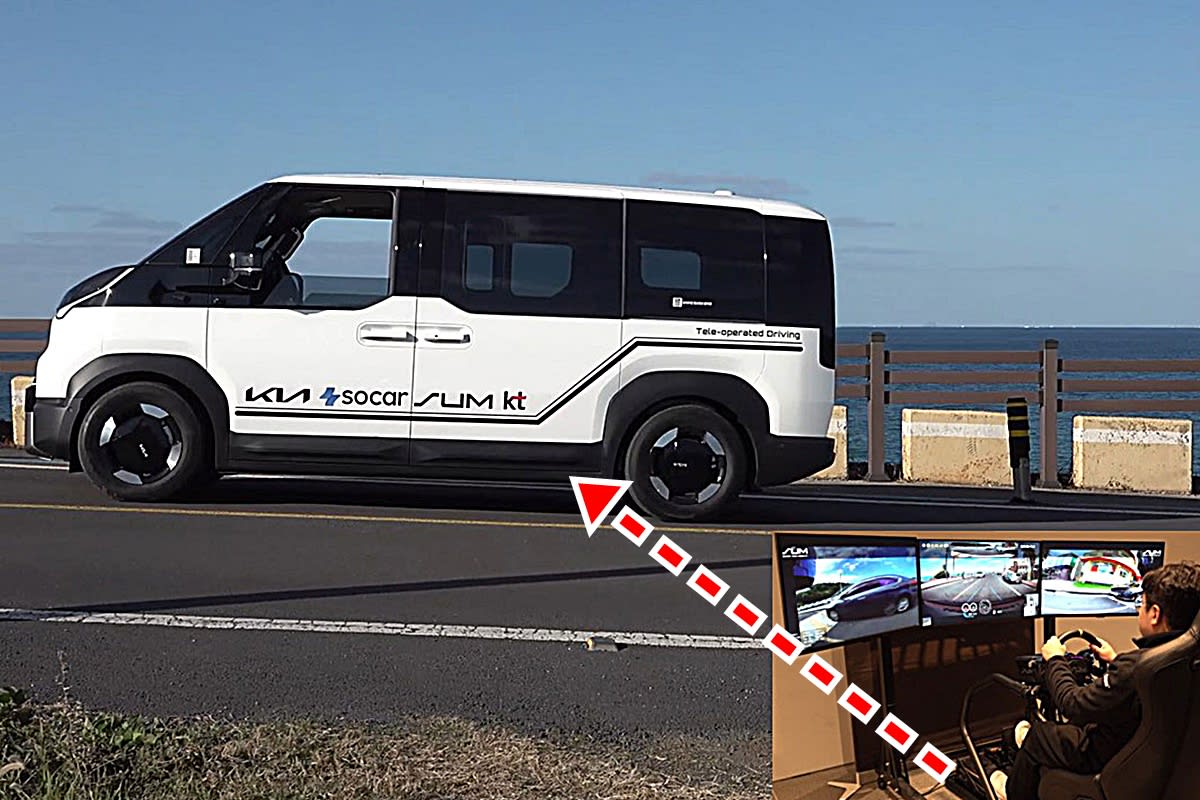
The month-long test was conducted on Jeju Island, where specific public road segments near Jeju International Airport were set up to mimic actual service conditions. During this period, remote operators controlled the PV5 from an off-site command center using both 4G and 5G networks. Over the course of the test, the vehicle traveled more than 1,000 km (620 miles), setting a new benchmark in the field of remote driving.
Kia emphasized that this was the first time such a system had been validated on public roads rather than in a closed testing environment. Industry observers have been particularly impressed by how quickly Kia developed a functional system, achieving this milestone only seven months after receiving regulatory exemptions for remotely controlled vehicles from South Korea’s Ministry of Land, Infrastructure and Transport.
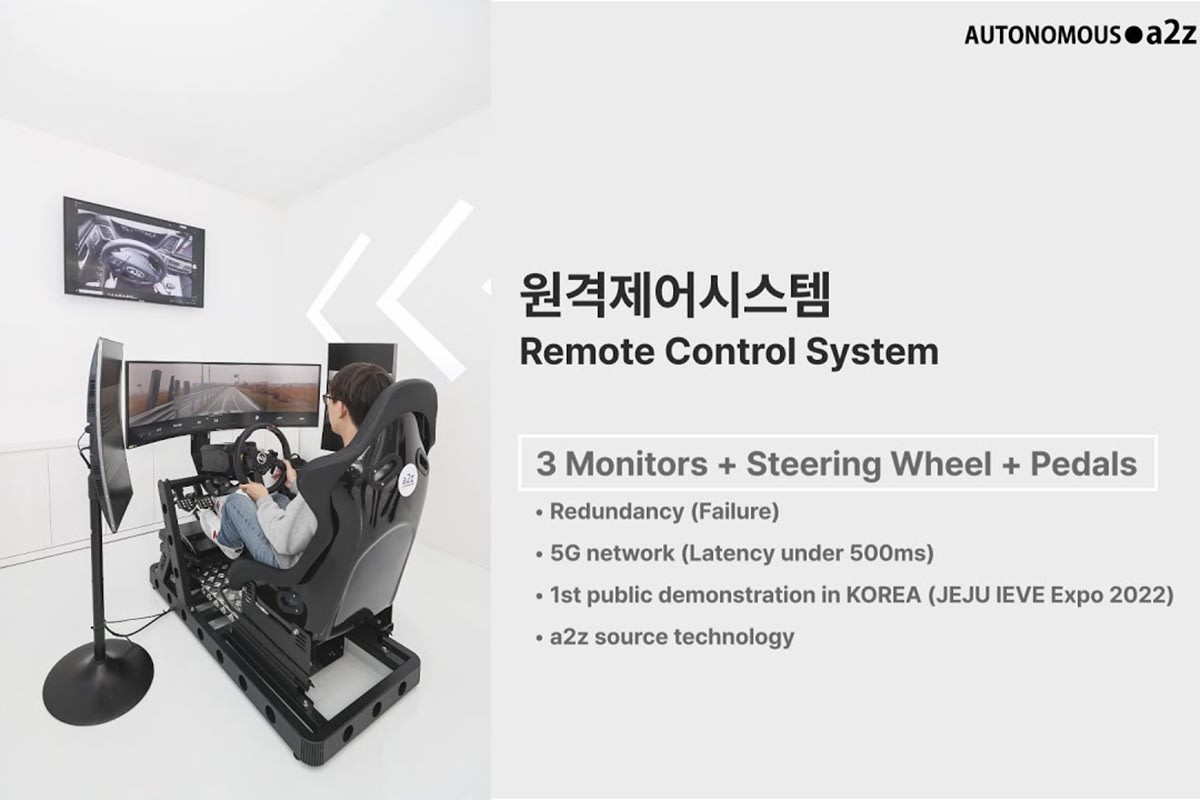
Kia played a leading role in the Remote Driving Consortium, which included collaborations with Socar, SUM, and KT. Each partner contributed in a distinct way: Socar provided the car-sharing platform, SUM developed the remote driving solutions and oversaw the test vehicles, and KT built the communication network and infrastructure. The team implemented a comprehensive suite of safety measures, including training programs for remote drivers and emergency response systems that mirrored real-world operating conditions.
This test highlights the potential of remote driving to transform the mobility industry. Car sharing operators have long faced challenges related to the cost and difficulty of relocating vehicles and retrieving them after rentals. Remote driving offers a solution by allowing vehicles to autonomously move to customers or return to designated areas without human intervention.
This technology is especially promising for regions with low population density or limited public transportation. The consortium plans to work with local governments to expand and validate the system in different areas, creating opportunities for applications in public services, medical transport, and localized logistics.
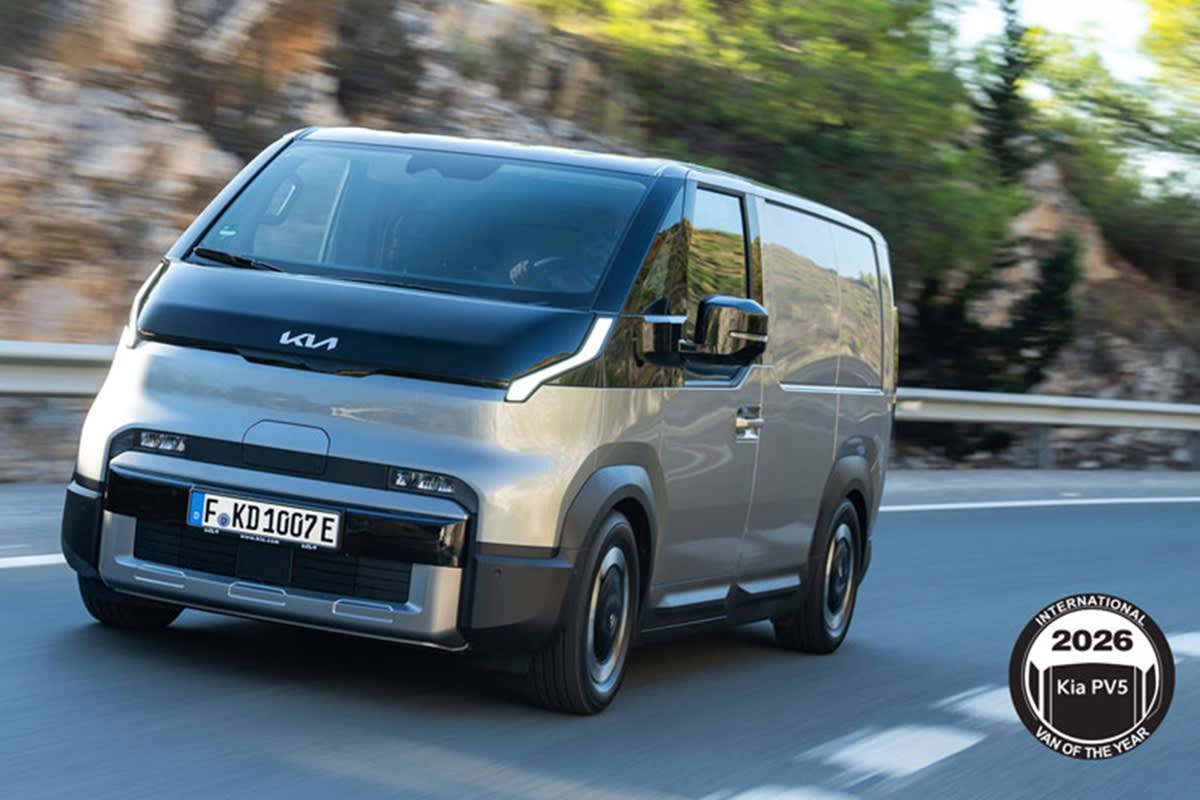
The PV5 has also gained international recognition. It recently entered the Guinness World Records for the longest cumulative driving distance for an electric vehicle. This record reflects the PV5's extended test runs, which significantly contributed to its total accumulated distance over repeated sessions.
In addition to multiple international design and innovation awards, the PV5 has sparked what some industry analysts are calling the "PV5 phenomenon," drawing attention from consumers, businesses, and public institutions.
Experts see this remote driving demonstration as a turning point. Rather than being merely a stepping stone to fully autonomous vehicles, remote driving is emerging as a viable market in its own right. It provides a safety net during the transition to full autonomy and offers a cost-effective, reliable option for commercial use. Kia's successful test reinforces its growing role as a major player in the mobility sector.
A Kia spokesperson stated that the combination of remote driving technology and everyday services could significantly improve urban mobility. The commercialization of this technology may reshape business models across rental cars, car sharing, and logistics, potentially transforming the entire mobility landscape.
Local governments have shown increasing interest in the system. The consortium plans to expand partnerships and create a phased roadmap for commercialization. The approach aims to advance the technology while also refining regulations to build a solid foundation for real-world deployment.
The PV5 continues to show strong momentum. Following its Guinness World Record and successful remote driving demonstration, the model is increasingly seen as a leading force in the mobility transition. Remote driving, once considered experimental, has now entered the realm of serious commercial competition. With the technology approaching real-world viability, industry observers are closely watching to see which company will take the first step toward full-scale commercialization.


