Ken Burns: 'I'm Ashamed We Don't Understand Our History'
The American Revolution: A New Perspective
The American Revolution, a pivotal event in the nation's history, took place over two and a half centuries ago. However, the ongoing debate about how to interpret this significant period continues to captivate historians and the public alike. Ken Burns, a renowned filmmaker known for his insightful documentaries on various aspects of American history, has recently released a new six-part series titled The American Revolution. This series aims to challenge the traditional narratives and present a more nuanced view of the events that led to the country's independence.
Burns, who has garnered numerous accolades including 15 Emmys, is known for his ability to bring historical events to life through compelling storytelling. In an interview, he emphasized that his approach to the series is grounded in factual accuracy and a commitment to presenting the complexities of history. He remarked, “History is really surprising. There is a neon sign in our office saying: ‘It’s complicated.’” This sentiment reflects his belief that understanding the past requires a multifaceted perspective.
In contrast to Burns' approach, there are figures like former President Donald Trump, who sought to promote a more romanticized view of American history. Trump's executive order aimed to remove what he termed "revisionist" interpretations from museums and monuments, emphasizing the "unparalleled legacy of advancing liberty, individual rights and human happiness." This initiative was supported by several right-wing organizations, highlighting a broader movement to shape historical narratives in a way that aligns with specific political ideologies.
Burns has not shied away from criticizing such efforts, calling them an insult to the nation's history. He argues that the American Revolution was not just a fight for independence but also a complex web of issues that resonate today, including racial tensions, inflation, violence, and debates over public health measures like inoculation. As historian Maya Jasanoff notes, the revolution was the first American civil war, with families and friends often divided over the case for independence.
The production of The American Revolution was a long and arduous process, spanning nearly a decade. Burns mentioned that the timing of the series' release was coincidental, as it was influenced by the challenges of fundraising and production. Despite the current political climate, Burns remains focused on delivering a documentary that encourages viewers to engage with history in a thoughtful manner. He acknowledges the difficulty of navigating contemporary events while maintaining a historical perspective, stating, “We have to tune out the noise.”
Diverse Perspectives and Historical Insights
One of the most notable aspects of The American Revolution is its emphasis on diverse perspectives, particularly those of Indigenous people and scholars examining the history of slavery. Sarah Weicksel, executive director of the American Historical Association, highlights that the series will be eye-opening for the general public, offering insights that go beyond traditional educational materials. She emphasizes that Burns brings history to life in ways that text alone cannot achieve.
The documentary also delves into the role of Indigenous history, showcasing the influence of the Iroquois Confederacy on early American democratic ideals. While loyalists defended many Indigenous communities, the American patriots sought to push them aside, motivated by promises of land and financial incentives. Burns stresses that the notion of the patriots as purely anti-colonial is misleading, noting that the United States was an empire from the beginning. He points to the term "continental army" as evidence of this imperial mindset.
Burns collaborates closely with co-producers and directors Sarah Botstein and David Schmidt, emphasizing their teamwork while acknowledging his final say in the creative process. Botstein adds that while Americans may have a collective understanding of race history, they often overlook the role of Native people. She also shares her own discoveries during the production, such as the impact of America's vast landscape and extreme weather on the war, including the thick fog that aided Washington's evacuation during the Battle of Long Island.
Engaging Storytelling and Viewer Appeal
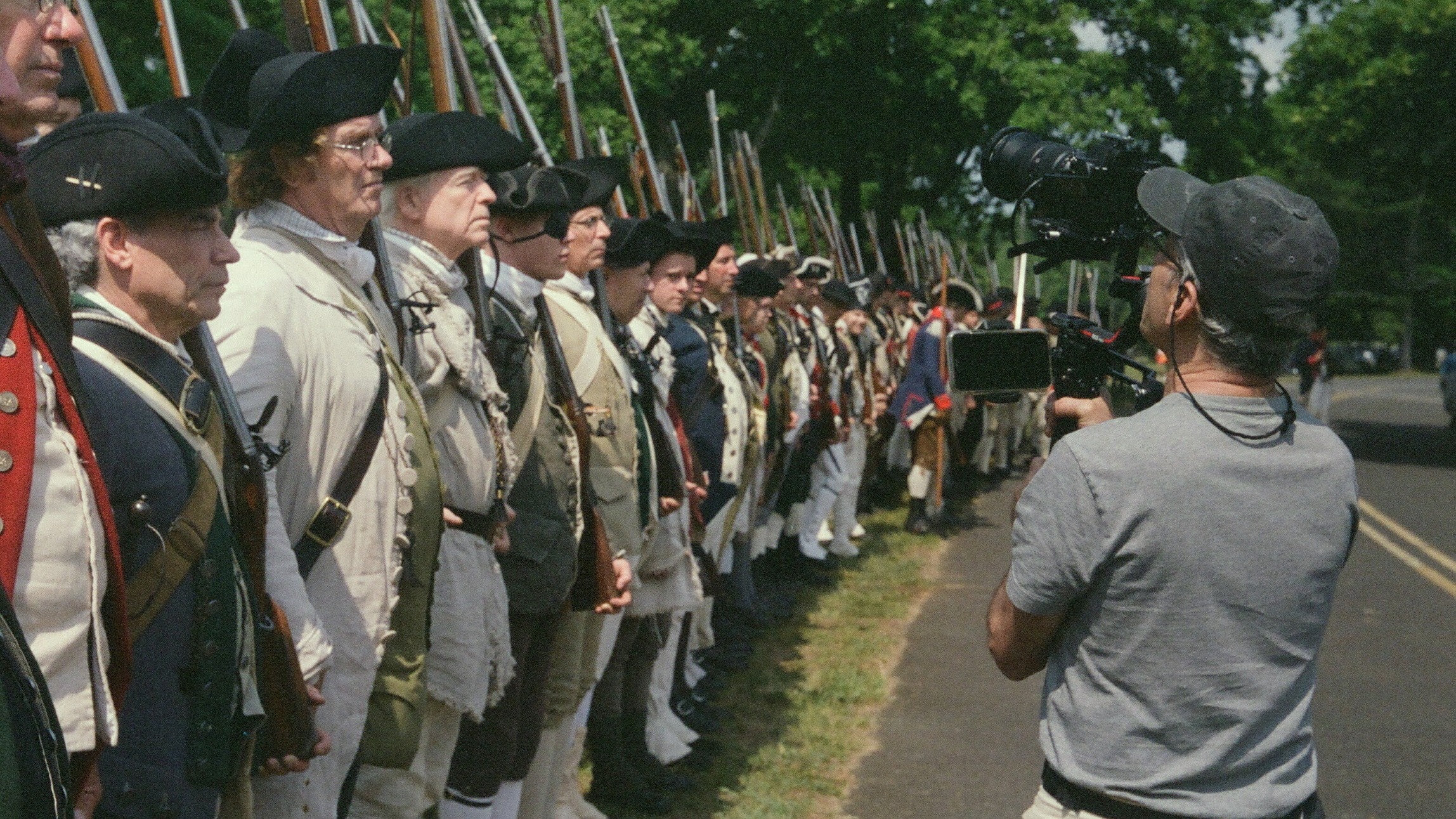
With a total runtime of 12 hours, The American Revolution offers an immersive experience. Unlike previous documentaries, which relied on survivor testimonies or photographs, this series uses military re-enactments, maps, paintings, and landscapes to convey its message. Burns employs the "Ken Burns effect," a technique characterized by slow camera rolls across images, to enhance the visual storytelling. The series features prominent voice actors, including Kenneth Branagh, Meryl Streep, and Morgan Freeman, adding depth to the narrative.
Burns dismisses concerns about declining viewer attention spans, arguing that human nature has not changed despite technological advancements. He notes that the response to the series has been positive, with viewers engaging in binge-watching. With the documentary and an accompanying book now available, Burns is embarking on an extensive roadshow of interviews and presentations. He expresses surprise at the lack of criticism, believing that the series effectively captures the interest of a broad audience.
Despite his age, Burns remains committed to producing ambitious documentaries on sensitive topics, including Emancipation, Martin Luther King, and Cold War history. He acknowledges the challenges faced by future generations in securing funding for such projects, but remains optimistic about his ability to continue creating impactful content.
Conclusion
As the debate over historical narratives continues, The American Revolution stands as a testament to the power of storytelling in shaping our understanding of the past. Through its comprehensive approach and diverse perspectives, the series invites viewers to reflect on the complexities of history and its relevance to contemporary issues. As Burns aptly puts it, “I tell them it’ll be all right.”
‘The American Revolution’ is streaming now on PBS in the US.


