Gambling Firms Spent £5m on TfL Ads Despite London Mayor's Ban Pledge
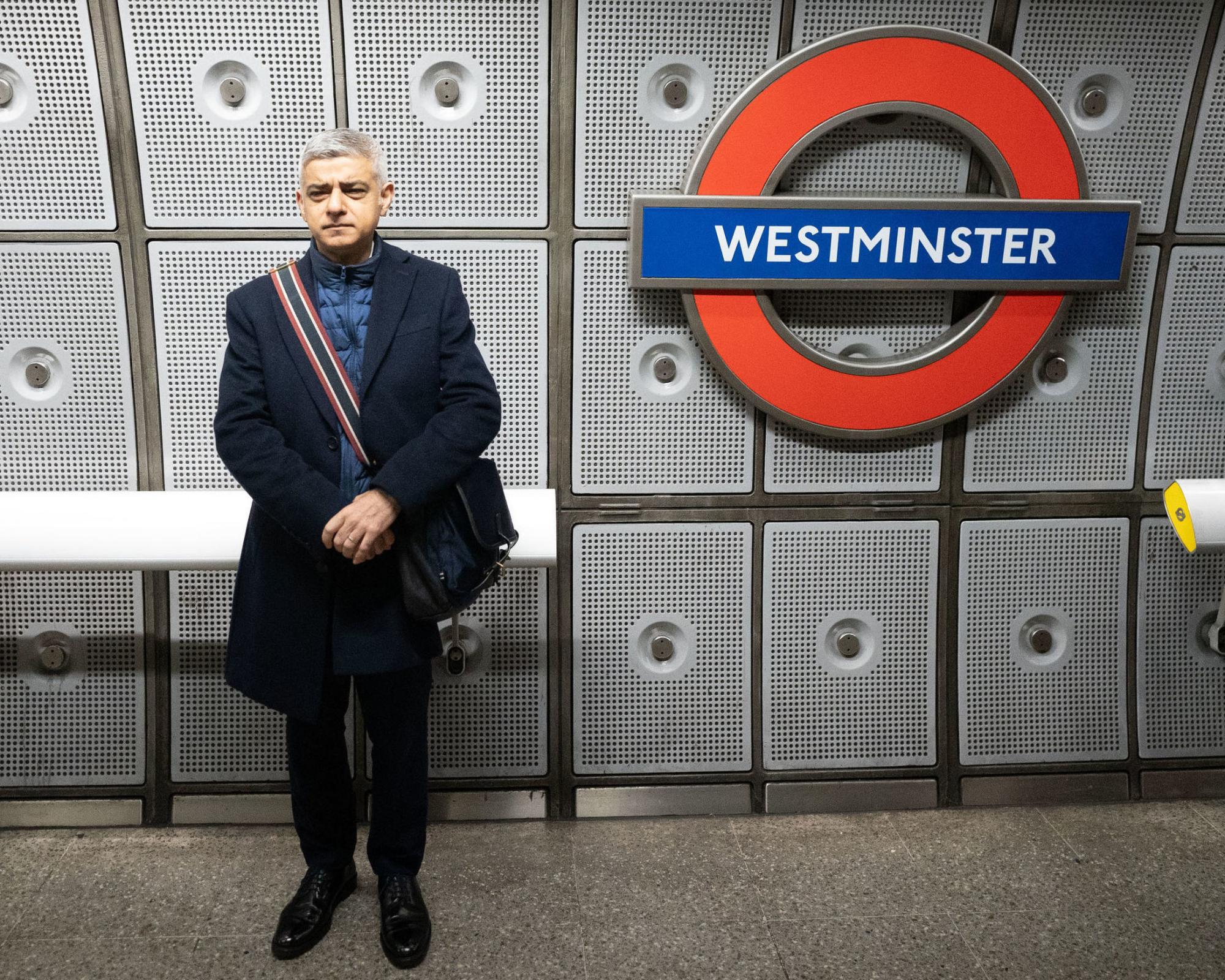
The Struggle Over Gambling Ads on London Transport
Gambling companies have invested nearly £5 million in advertising on the London transport network since Sadiq Khan, the mayor of London, pledged to stop such ads. This has led to a long-standing disagreement between the mayor’s office and the government.
During his 2021 mayoral election campaign, Khan promised to extend the ban on junk food advertisements to include online casinos and bookmakers. He argued that gambling addiction had a “devastating” impact on individuals and families. However, the mayor's office has not yet fulfilled this promise, citing a lack of guidance from the central government regarding the relationship between gambling advertisements and harm.
In the absence of clear directives, the number of gambling ads has increased significantly. One example is a campaign for the online casino 888, which was eventually withdrawn due to public backlash over its inappropriate tone.
Freedom of information requests by the Guardian and other media outlets reveal that gambling firms have launched over 500 campaigns since Khan made his pledge, costing £4.6 million. In total, these companies have spent more than £7.5 million with TfL services, including the underground, overground, DLR, Elizabeth line, trams, and Victoria coach station, throughout Khan’s three terms as mayor.
The number of gambling campaigns has surged to 223 this year, more than double the number from last year. This increase comes amid an ongoing stalemate with Westminster over government policy on advertising.
A spokesperson for Khan stated, “The government is looking at the best way to address harmful gambling, including understanding the impact of advertising, and the mayor will consider what action he can take once that review is complete.” However, there is no indication that such a review is currently underway.
The Department for Digital, Culture, Media and Sport (DCMS) regularly collects evidence to inform gambling policy. However, it is understood that there is no active project to determine the specific links between advertising and harm. This leaves Khan’s promise in limbo.
Khan is reportedly concerned that any ban would face legal challenges unless his office can provide evidence from the government. This risk was lower when he banned junk food ads because there is a nationally agreed definition of high fat, sugar, and salt (HFSS) foods and a substantial body of evidence about their harms.
According to the Gambling Commission, over 1 million people in the UK suffer from a gambling problem. While some studies suggest a correlation between the number of adverts and harm, direct, causative links are notoriously difficult to prove.
The Broader Context of Gambling Advertising
UK gambling firms spent an estimated £2 billion on advertising last year, though the Betting and Gaming Council disputes this figure, claiming it is closer to £1 billion.
In his 2021 manifesto, Khan appeared confident about the need for action. The manifesto stated, “I’ve already banned body-shaming advertisements and advertisements for foods high in fat, salt and sugar on the TfL network because of their impact on the health of Londoners. Given the devastating way gambling addiction can destroy lives and families, I’ll instruct TfL to bring forward plans to extend the ban to harmful gambling advertisements on the network.”
A spokesperson for the Coalition to End Gambling Ads questioned whether Khan needed to wait for national guidance. “Sadiq Khan must do the right thing and honour his 2021 pledge to end gambling ads on TfL,” said Nick Harvey. “It makes no sense to wait for national guidance; dozens of English councils have already banned gambling ads on their channels without legal challenges, and every day of delay means more London families destroyed by gambling.”
Seven London councils have called for Khan to proceed with a ban.
A DCMS spokesperson acknowledged that more work is needed to ensure that gambling advertising does not lead to harmful gambling.
The Impact of Advertising on Gambling Behavior
Gambling companies spend approximately £2 billion annually on advertising in the UK, according to one estimate. The Betting and Gaming Council contests this figure, suggesting it is closer to £1 billion.
In 2019, gambling companies agreed to a voluntary “whistle-to-whistle” code, under which they do not advertise during sports fixtures shown before 9pm. They have also committed to making 20% of their advertisements focused on “responsible” gambling.
Despite these efforts, concerns remain about the influence of advertising on vulnerable individuals. The debate continues as stakeholders seek a balanced approach that protects public health while respecting commercial interests.


