Why New Car Paint Scratches More Easily Than Old Paint
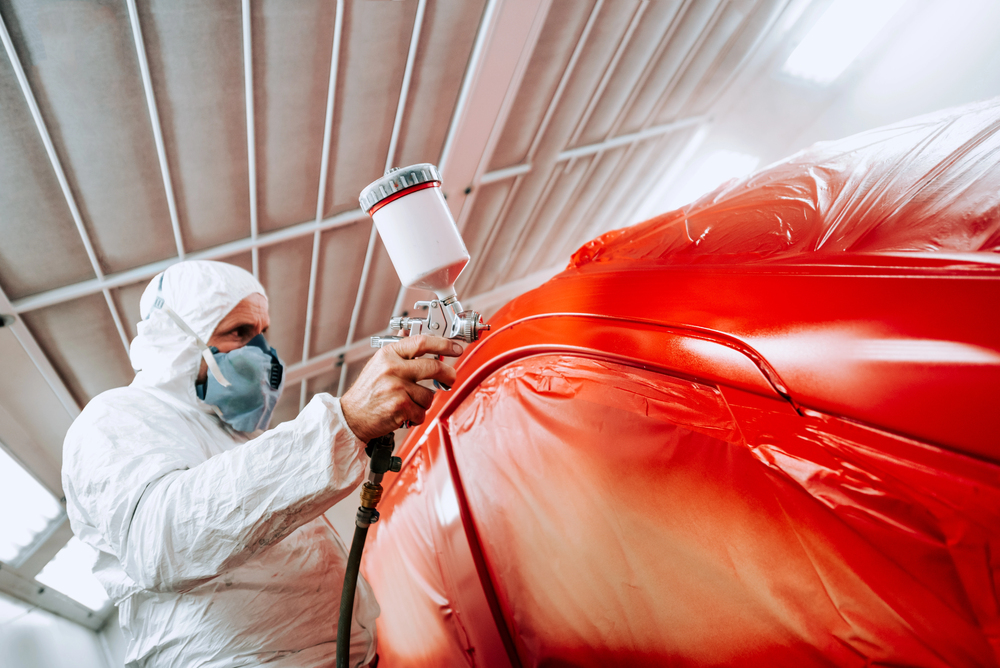
Key Factors Contributing to New Car Paint’s Vulnerability
Water-Based Paints
Modern cars use water-based paints to comply with environmental standards, which are thinner and less hard than the old solvent-based paints. This shift in formulation has made the paint more susceptible to scratches and swirl marks.
Balancing Properties
Manufacturers aim for a balance between flexibility and hardness. To achieve a deep, glossy finish and better flexibility, they make the paint softer, which inherently makes it more prone to scratching.
Thinner Clear Coat
The clear coat on modern cars is often thinner than that on older vehicles. This layer is what gets scratched, and because it’s thinner, it offers less protection.
Manufacturing and Transport
A new car’s paint is already subject to potential imperfections from the factory, transportation, and the dealership’s cleaning procedures, which can make it more vulnerable from day one.
How Modern Paint Formulas Changed
Automotive paint chemistry shifted sharply when global regulations restricted the use of high solvent coatings. Older paints relied on solvent rich formulas that produced a thick, hard finish once the solvent evaporated. These coatings levelled well, built stronger surface layers and tolerated abrasion with far less visible marking.
Modern paints use water based colour coats with reduced solvent content. Water carries the pigment instead of the solvent, which changes how the coating flows and how it cures. The colour coat itself is not the weak point. The issue comes from the way water based layers bond with the clear coat above them. The chemistry produces a thinner transition zone and a more flexible surface than older formulas. That flexibility protects against chips by absorbing small impacts, but it also means the surface scratches easily from routine contact.
Low solvent clear coats also cure differently. The chemical reactions that form the final protective layer take place with less aggressive cross linking than older solvent heavy coatings. This creates a surface that is visually smooth but mechanically softer. It responds quickly to micro abrasion from washing tools, dust, clothing or even light fingertip contact.
These changes were introduced to cut emissions from paint plants and reduce environmental impact. They succeed in that goal, but they produce a finish that requires more care from the owner and more frequent maintenance to keep the surface free of visible marks.
Why Clear Coats Are Thinner Today
Modern clear coats are significantly thinner than the finishes applied to cars several decades ago. Older solvent heavy systems allowed manufacturers to spray thicker layers because the coating would level smoothly and cure into a dense film. Production lines could apply generous film builds without breaching environmental limits, and the final surface tolerated abrasion well due to that extra depth.
Current regulations restrict the amount of solvent that can be released during painting. This forces factories to reduce the total volume of coating applied during each stage. Robotic sprayers now place clear coat with far more accuracy, but the target thickness remains much lower than historic standards. Most modern clear coats fall in the range of forty to sixty microns. Older finishes could exceed one hundred microns on some panels. That difference removes a large buffer that once protected the underlying colour coat.
A thinner clear coat cannot absorb as much contact before marks become visible. Micro scratches from washing tools, airborne grit or light scuffing cut closer to the base layer because there is less material to disperse the abrasion. Once the surface is disturbed, the mark becomes more noticeable because the optical depth of the coating is reduced.
Environmental limits and precise application methods therefore combine to create a finish that looks clean and uniform at the factory but lacks the abrasion tolerance of older high build coatings. The reduced film thickness is one of the main reasons modern paint shows wear sooner, even when owners follow careful washing routines.
The Impact of Softer Clear Coat Chemistry
Modern clear coats rely on resin blends that prioritise flexibility and environmental compliance over hardness. Older solvent rich formulas cured into dense, rigid films with strong cross linking between molecules. That structure resisted scratching because the surface did not deform easily under pressure. When grit or washing tools made contact, the harder film dispersed the force across a wider area, which kept visible damage to a minimum.
Current formulations cure into a softer and more elastic layer. The reduced solvent content limits how tightly the molecules can bond during the curing process. The result is a surface that flexes more under minor pressure. This flexibility protects against certain impacts, such as small stones or minor door dings, because the coating can absorb the energy without cracking. The trade off is that the same flexibility lets abrasive particles dig in more easily during washing or daily use.
Soft clear coats show micro marring because they deform at the point of contact. A small piece of grit trapped in a cloth or sponge leaves a trace on the surface rather than gliding over it. Even routine touch points, such as grabbing the door to close it, can leave faint marks that sit within the upper microns of the coating.
This chemistry shift is one of the defining reasons modern paint looks marked even when the owner treats the car carefully. The surface is smooth and glossy when new, but the softness of the film means everyday contact creates visible patterns that older, harder coatings resisted with ease.
How Factory Application Methods Affect Durability
Modern factories rely on robotic sprayers to apply paint with extreme consistency. Robots follow precise patterns that minimise overlap and prevent excessive material build up. This improves efficiency and reduces waste, but it also limits how much coating reaches each panel. Older production lines relied heavily on manual spraying, which often created thicker films because painters applied more material to achieve full coverage.
After application, the paint moves through controlled curing ovens. These ovens are calibrated to produce predictable results across thousands of cars each week. The cycle is designed to cure water based colour coats and low solvent clear coats without causing defects such as runs or surface distortion. To achieve that consistency, manufacturers must keep film thickness within strict limits. Anything too thick can trap solvent or moisture, which leads to long term failures such as cracking or delamination.
The controlled nature of robotic spraying and oven curing therefore restricts how much clear coat can be used. Even though the accuracy is high, the process is built around low volume formulas that comply with modern environmental rules. The outcome is a finish that looks uniform under inspection lights but lacks the depth created by older hand sprayed coatings.
These production methods improve repeatability and reduce manufacturing faults, yet they lock in thinner layers that offer less protection against abrasion. The durability of the final finish is shaped as much by process limitations as by paint chemistry.
Why Environmental Rules Altered Paint Durability
Global regulations placed strict limits on the volatile compounds released during automotive painting. Older solvent heavy coatings relied on these compounds to carry pigments, level the surface and promote strong cross linking during curing. When the solvents evaporated, they left behind a dense, hard film that resisted abrasion. As regulators pushed for lower emissions, manufacturers were forced to change both the colour coat and the clear coat chemistry.
Water based colour coats replaced many high solvent formulas. These coatings reduce emissions, but they do not flow or level in the same way. They require different curing profiles and rely on clear coats to provide most of the mechanical protection. At the same time, limits on volatile compounds in clear coats reduced the hardness that older finishes achieved. Modern clear coats use resin systems that cure cleanly but form softer surface films because the chemistry cannot rely on aggressive solvent driven cross linking.
Environmental rules also restricted how much material could be sprayed per vehicle. Manufacturers had to reduce total film thickness to comply with emissions and waste targets. This change removed one of the natural buffers that once protected the colour coat from abrasion. The finish may appear smooth and glossy, but the reduced hardness and lower film build make the surface more vulnerable to micro scratches.
These regulations improved workplace safety and reduced environmental impact, yet they reshaped the physical properties of automotive paint. The final finish is cleaner to produce but more sensitive to routine contact, which explains why modern cars show visible marks far sooner than older solvent based coatings.
How Everyday Contact Creates Micro Marring
Micro marring is the most common source of visible paint damage on modern cars, and it comes from routine contact rather than dramatic impacts. Soft clear coats deform when fine particles move across the surface, which leaves small trails that scatter light. These marks sit in the upper microns of the coating, so they appear quickly even when the owner follows careful habits.
Washing introduces most of this abrasion. Any grit trapped in a sponge, mitt or bucket becomes a cutting particle. As it moves across the surface, it drags a line through the softened clear coat. Even high quality towels can create marks if they pick up dust or dry residue from previous washes. The problem increases when owners wash the car in direct sun or when the surface is warm. Drying water leaves mineral traces that require more pressure to remove, which increases the chance of micro scratching.
Clothing and everyday objects contribute as well. Jacket zips, handbags, backpacks and even rings can brush against the surface when loading the boot or closing a door. Older, harder coatings resisted this contact, but modern clear coats mark easily because the film flexes under light pressure. The abrasion is small, yet it becomes visible once the marks accumulate across the panel.
Automatic car washes create the fastest buildup. The brushes collect grit from every vehicle that passes through, and that material becomes a constant abrasive. As the bristles move across the surface, they create long, uniform micro scratches that show up clearly under daylight. Touch free washes reduce this risk, but they still leave residue that must be wiped away, which reintroduces the same vulnerability.
These everyday interactions explain why modern paint develops visible haze far sooner than older finishes. The softness of the clear coat means any contact that moves across the surface, even lightly, leaves a pattern the eye can pick up once the panel is illuminated.
Why Dark Colours Show Damage Faster
Dark paint reveals micro scratches more quickly because of the way light interacts with the clear coat. When light strikes a dark surface, most of it is absorbed rather than reflected. This means any disturbance in the clear coat becomes a primary reflector. Even shallow marks scatter light in multiple directions, which creates the bright lines and swirls commonly seen on black and deep blue cars.
The effect becomes more noticeable when the clear coat is soft. Modern finishes flex slightly when abraded, so micro scratches sit closer to the surface. These shallow marks disrupt the smooth optical path that normally allows light to pass through the clear coat and reflect uniformly from the colour layer beneath. Instead, the scratches refract light outward, which produces a visible pattern that stands out sharply against the dark base colour.
Lighter colours hide this behaviour because they already reflect light broadly. Scratches still form at the same rate, but the contrast between the damaged areas and the surrounding paint is lower. On dark cars, even a small interruption in the clear coat creates a high contrast highlight.
This optical contrast explains why dark vehicles look marked within weeks of normal driving and washing, even when the owner maintains them carefully. The paint does not degrade faster, but the visual effect of each micro scratch is amplified by the colour's limited reflectivity and the structure of modern clear coats.
How Modern Aerodynamics Push Dirt Against Paint
Modern car bodies are shaped to reduce drag and improve efficiency, but the airflow these shapes create can push dirt and fine particles directly onto specific panels. As air moves around sharp creases, tight curves and rear pillars, it changes speed and direction. This movement pulls road dust, brake residue and moisture into concentrated paths that sweep across the paint.
Front bumpers and lower doors are the first to show this effect. Air rushing around the front of the car lifts grit from the road surface and drives it along the sides of the body. The abrasive particles travel at speed and strike the clear coat repeatedly, which produces small impact marks long before the owner realises how much material has been hitting the panel.
The airflow around rear quarters creates another problem. Many hatchbacks and SUVs form low pressure zones behind the car. These zones pull dust and exhaust residue onto the tailgate and rear bumper. The material builds up in layers, and each wipe during washing drags the particles across the clear coat and leaves micro scratches.
Even roof and pillar areas are affected. The airflow that moves up the windscreen and over the roof carries fine contaminants with it. When the air separates near the rear spoiler or back window, it deposits that material exactly where the turbulence is strongest. These deposits are abrasive, and they mark the clear coat as soon as they are touched.
This aerodynamic behaviour means dirt does not land randomly. It follows predictable paths shaped by the bodywork, and those paths concentrate abrasive particles on certain panels. Modern paint tolerates less abrasion than older finishes, so these airflow patterns accelerate visible wear even when the owner washes the car carefully.
Why Contaminants Bond More Easily to New Paint
Modern clear coats have a softer and more porous surface structure, which makes them more susceptible to bonded contaminants such as rail dust, brake dust and industrial fallout. These particles are hot when they leave their source, and the heat allows them to embed into the surface layer of the clear coat on contact. Older, harder coatings resisted this because the dense surface film cooled the particles quickly and prevented them from lodging into the upper microns of the paint.
Rail dust and brake dust are rich in iron. When these particles land on a warm panel, they oxidise and expand slightly. This reaction anchors them more firmly into the clear coat. The softer resin structure of modern finishes provides less resistance to that expansion, so the particles sit deeper and become harder to remove through routine washing.
Industrial fallout behaves similarly. These particles often carry chemical compounds that react with moisture and form small deposits on the surface. Modern clear coats lack the hardness to reject these contaminants effectively. Once the particles settle, they bond through mechanical grip or mild chemical interaction, which creates rough patches that scatter light and dull the finish.
Because the clear coat is thinner, any embedded particle sits closer to the colour layer. When the owner attempts to remove the contamination, the surface surrounding the particle can mark easily. This is why decontamination processes such as clay bars or iron removers are now a routine part of paint maintenance. Modern finishes accumulate bonded contaminants faster, and the softer surface means the damage becomes visible much sooner than it did on older solvent based coatings.
Real World Conditions That Accelerate Wear
Real world driving exposes modern paint to heat, ultraviolet radiation and road grime in ways that amplify the weaknesses of thinner and softer clear coats. Each factor affects the surface differently, yet they interact in a way that speeds up visible wear.
Heat cycles are one of the biggest stressors. As the panel warms in sunlight or during driving, the clear coat expands slightly. When it cools, it contracts. Older, thicker finishes handled this movement with ease, but modern thin films flex more during each cycle. This movement weakens the upper surface over time and makes it more prone to micro scratching when it comes into contact with dust or washing tools. The repeated expansion and contraction also loosens any bonded contaminants, which increases the risk of marking when they are removed.
Ultraviolet exposure breaks down the chemical bonds within the clear coat. The top layer oxidises slowly, which dulls the surface and reduces hardness. Once the surface loses hardness, it cannot resist abrasion as effectively. Even minor contact begins to leave visible traces because the weakened film no longer disperses the force of the abrasion across a wider area.
Road grime adds another layer of wear. Dust, sand, tar residue and oil droplets accumulate on lower panels and rear surfaces. These materials act as abrasives as soon as they are touched. When heat softens the clear coat or when UV degradation lowers its resistance, the particles cut into the surface more easily. Washing removes the grime, but the act of wiping or drying the panel drags those abrasives across the weakened film and produces micro marring.
These conditions do not cause dramatic failure. They produce incremental damage that becomes visible as haze, light swirls or small scratches long before the coating reaches the end of its expected life. The combination of heat, ultraviolet exposure and accumulated contaminants accelerates wear on modern thin films in a way that older, thicker coatings rarely experienced.
How Protective Coatings Change the Outcome
Protective coatings act as a buffer between the environment and modern thin clear coats. They add hardness, thickness or physical separation, which compensates for the softness and reduced film build of factory finishes. Each type works differently and offers distinct levels of protection.
Ceramic coatings form a hardened layer that bonds to the clear coat. This layer resists micro abrasion better than the underlying paint and reduces the amount of contact that reaches the factory finish. The coating does not eliminate scratches, but it slows their formation by providing a harder surface that disperses force more effectively. It also makes contaminants easier to remove because the surface becomes more resistant to bonding.
Paint protection film adds a physical barrier. This transparent film absorbs the impact of stones, grit and daily contact. It is thick enough to prevent most micro scratches from reaching the clear coat, and the film can self heal minor marks when exposed to heat. PPF provides the strongest protection because it isolates the factory finish from direct contact with abrasive materials.
Sealants offer lighter protection. They form a uniform layer that improves slickness and reduces how easily dust and grime cling to the surface. Although they do not add significant hardness, they lower friction during washing. This reduces the chance of micro marring when drying towels or mitts move across the paint.
These protective layers do not change the underlying weaknesses of modern paint, but they reduce the rate at which visible damage accumulates. By adding hardness, thickness or separation, they help maintain gloss and clarity in conditions where the thin factory clear coat would otherwise show wear rapidly.
What Owners Can Do to Reduce Surface Damage
Modern paint cannot be made harder without replacing the clear coat, but owners can slow visible wear by changing how the surface is cleaned, touched and protected. These actions target the exact weaknesses created by thin, soft clear coats and minimise the amount of abrasion the paint receives during normal use.
The first step is controlled washing. Any safe wash routine must remove loose grit before contact. Pre rinsing, using separate wash and rinse buckets and cleaning mitts designed to trap particles away from the surface all reduce the risk of micro scratching. Drying towels should be clean, soft and used with minimal pressure. Every stage aims to limit how much abrasive material moves across the clear coat.
Avoiding unnecessary contact matters just as much. Leaning on the car, brushing bags against panels or wiping dust with a dry cloth all create micro marring on soft finishes. Dark colours show this immediately, so owners should assume that any contact with the surface can leave a trace. Touching the paint less often is a simple but effective way to slow wear.
Parking choices also influence how quickly the paint deteriorates. Shade reduces ultraviolet exposure, which preserves hardness in the upper layer of the clear coat. Distance from construction sites, rail corridors or industrial areas lowers the amount of airborne contaminants that can bond to the surface. Clean surroundings reduce the frequency of washing, which lowers abrasion over the life of the car.
Protective products provide the final layer of defence. Ceramic coatings, sealants and paint protection film all reduce the amount of wear that reaches the factory finish. They shield the clear coat from direct abrasion and make contaminants easier to remove without heavy pressure. These measures do not change the softness of the original paint, but they significantly slow the rate at which visible marks appear.


